QingAD 1644–1912
The Grand Council Is Established
Yongzheng Reign
The Yongzheng-era Grand Council, set up for northwestern campaigns, became a permanent body whose ministers took down and relayed the emperor's edicts; autocracy reached its peak.
View on the timeline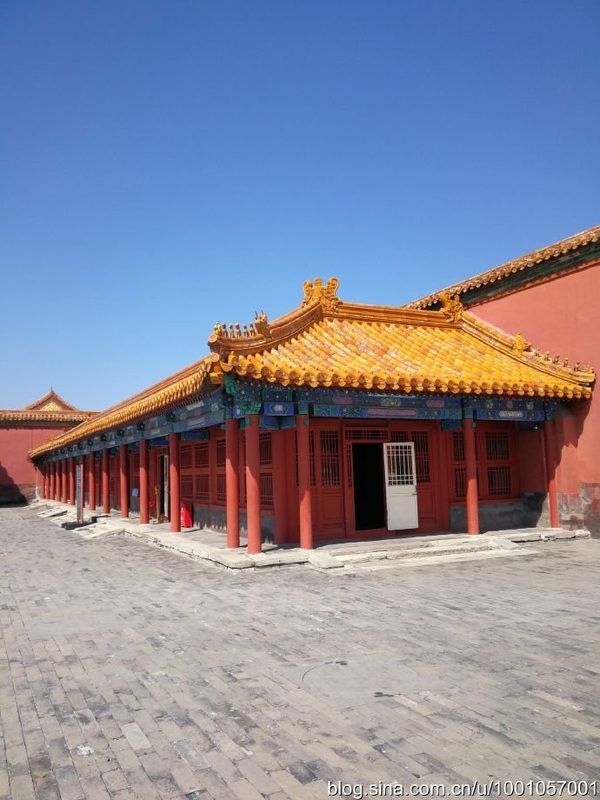
In the early Qing the Deliberative Council of Princes and Ministers, made up of Manchu nobles, was retained; all major state and military matters had to be discussed there, and once it decided, even the emperor could hardly change the decision. The Qing also inherited the Ming Grand Secretariat, but its procedures were cumbersome and hard to keep secret. Under Kangxi, to curb the power of Manchu nobles and strengthen autocracy, the Southern Study was set up, with trusted civil officials on duty drafting edicts and handling memorials for the emperor, thus bypassing the Deliberative Council. In the Yongzheng reign, to handle urgent military affairs in the campaigns in the northwest, the court set up a temporary Military Affairs Office, later renamed the Grand Council. It stood inside the Longzong Gate next to the Hall of Mental Cultivation where the emperor lived, so he could summon it at any time. Grand Councilors were chosen by the emperor from trusted Manchu and Han grand secretaries, ministers and vice-ministers, in no fixed number; summoned daily, they knelt to receive the emperor's will, drafted edicts and sent them as instructed directly to local officials, a procedure called "court letters". The Council had no formal office, only a duty room, and its members could make no decision on their own but only carried out the emperor's will, all power remaining with the emperor alone. It later became permanent and took over most of the Grand Secretariat's functions, and the Deliberative Council faded into a nominal body and was formally abolished in 1791. The Grand Council raised administrative efficiency and ensured the emperor's will was carried out quickly, marking the peak of ancient Chinese autocracy.
References
Text and images from Wikipedia are used under CC BY-SA and their respective licenses