QingAD 1644–1912
The Sieges of Albazin
1685–1686
Tsarist Russia occupied Albazin in the Amur basin; in 1685 and 1686 the Kangxi Emperor had Qing troops besiege it, forcing Russia to agree to negotiate the eastern border.
View on the timeline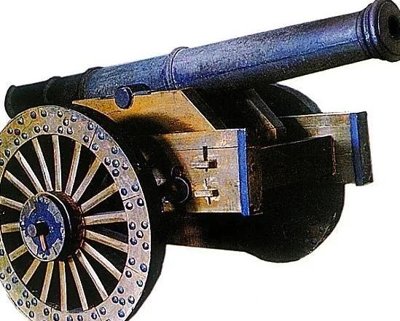
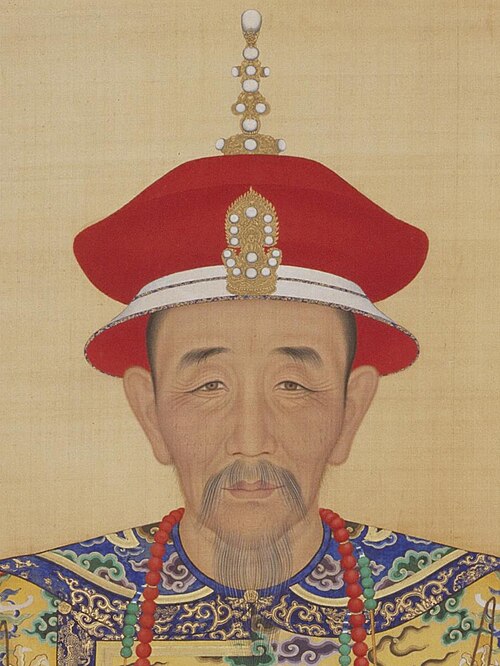
In the mid-17th century Tsarist Russia expanded eastward and its forces entered the Heilongjiang (Amur) basin, burning, killing and looting, and built forts at Yaksa (Albazin, in present-day Russia) and Nerchinsk as bases for further aggression, against which the Daur, Evenki and other local peoples rose. In the early years after entering the pass the Qing was busy unifying the country and sent troops several times to drive out the Russians but did not root out their power. The Qing government repeatedly demanded that the Russians withdraw from Chinese territory; they ignored it and even sent reinforcements. After putting down the Revolt of the Three Feudatories, the Kangxi Emperor turned to solving the northeastern frontier problem with full force. He sent people to scout the enemy, built Aigun city on the Heilongjiang, set up the General of Heilongjiang, built post stations and stockpiled grain, making careful war preparations. In 1685 he ordered the commander Pengchun and others to advance by land and water and besiege Albazin; they bombarded the fort and the Russian leader Alexei Tolbuzin was forced to surrender and withdraw with his remnant to Nerchinsk, and the Qing army burned Albazin and withdrew. Soon the Russians returned, reoccupied Albazin and rebuilt the fort. In 1686 Qing troops under Sabsu and others besieged Albazin again; Tolbuzin was killed by a cannonball, the Russians suffered heavy losses and only a few dozen remained in the city. The Russian government was forced to ask for a truce and agreed to settle the eastern Sino-Russian border by negotiation, and the Qing lifted the siege.
References
Text and images from Wikipedia are used under CC BY-SA and their respective licenses