MingAD 1368–1644
The Eight-Legged Essay Examinations
Ming Dynasty
Ming examinations drew on the Four Books and Five Classics, followed Zhu Xi's commentaries and required fixed-format eight-legged essays, which constrained thought.
View on the timeline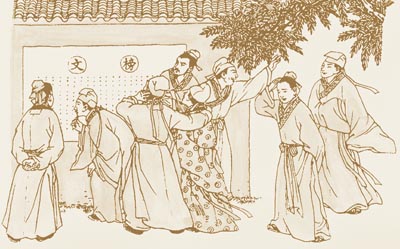
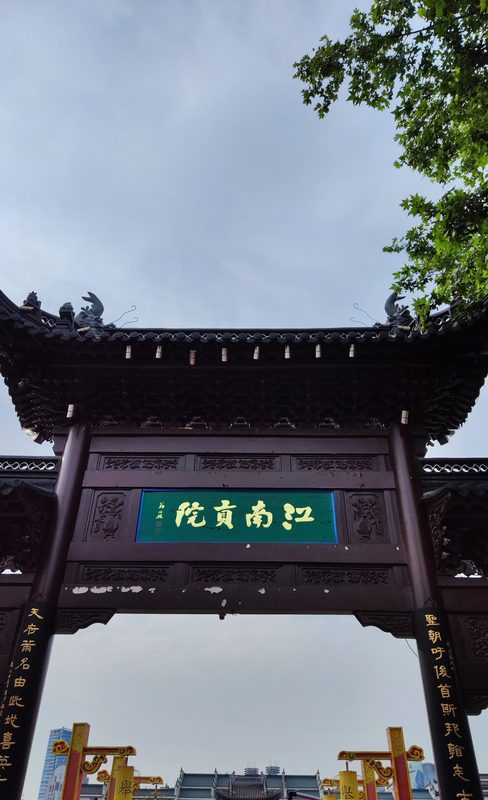
After the Ming was founded, the rulers vigorously promoted reverence for Confucius and Confucianism, made Cheng-Zhu Neo-Confucianism the official orthodoxy and perfected the civil service examinations. Ming examinations had several levels: the prefectural, provincial, metropolitan and palace examinations. Those who passed the prefectural examination were called shengyuan (commonly xiucai), those passing the provincial examination juren, and those passing the metropolitan examination gongshi; after the palace examination presided over by the emperor, successful candidates were called jinshi and divided into three grades, with the top three of the first grade called zhuangyuan, bangyan and tanhua. The Ming strictly required that questions come from the Four Books and Five Classics. Candidates' interpretations had to follow standards such as Zhu Xi of the Southern Song's Collected Commentaries on the Four Books and could not be freely developed, otherwise they were deemed heretical. Answers had to take the fixed form of the "eight-legged essay", each composed of parts called the opening, the receiving, the preliminary exposition, the entry, the beginning leg, the middle leg, the latter leg and the concluding leg; the last four sections each had two balanced, antithetical legs, eight in all, hence the name. Candidates had to "speak on behalf of the sages" and could not state their own views. The system led scholars to devote themselves to the Four Books, the Five Classics and the techniques of eight-legged writing, severely constraining thought and hindering the development of science and culture. The Qing kept the system.
References
Text and images from Wikipedia are used under CC BY-SA and their respective licenses