MingAD 1368–1644
Romance of the Three Kingdoms and Water Margin Take Shape
Late Yuan–Early Ming
In the late Yuan and early Ming, Luo Guanzhong wrote Romance of the Three Kingdoms and Shi Nai'an wrote Water Margin, long novels refined from Song and Yuan storytellers' scripts.
View on the timeline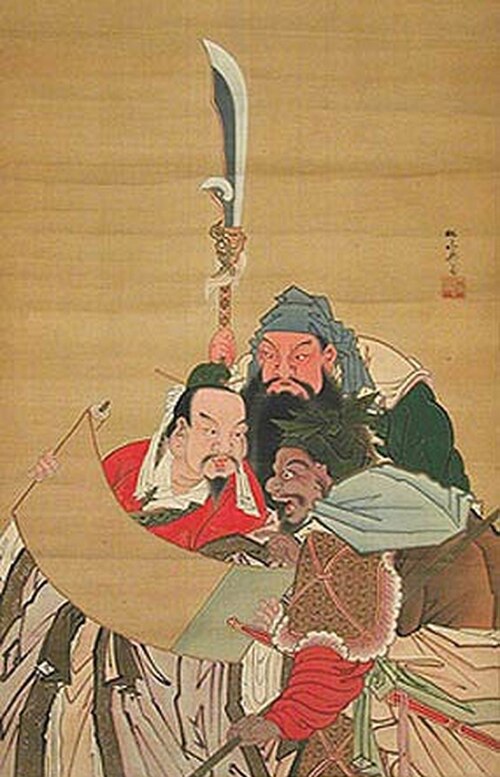
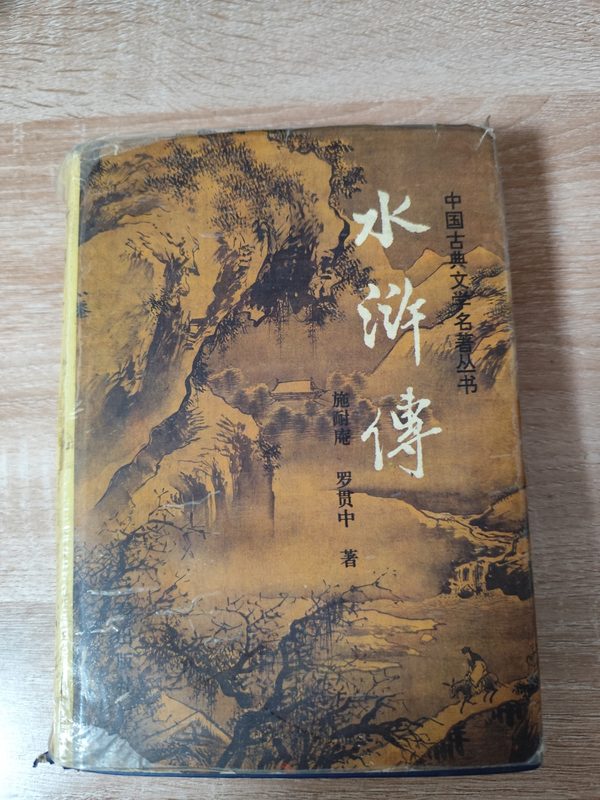
In the Ming, literature and the arts combined with townspeople's culture and produced a number of popular long novels in chapter form. The chapter-style novel grew out of the storytellers' scripts of the Song and Yuan, with chapters divided under headings and a continuous plot. The Popular Romance of the Records of the Three Kingdoms, commonly known as Romance of the Three Kingdoms, took shape in the late Yuan and early Ming; its author was Luo Guanzhong (given name Ben), who lived roughly in that period. Based on histories such as Chen Shou's Records of the Three Kingdoms and drawing on folk legends, storytellers' scripts and plays, the novel vividly depicts the struggles among Wei, Shu and Wu over nearly a century, from the Yellow Turban uprising at the end of the Eastern Han to the Western Jin's unification, with vivid characters such as Zhuge Liang, Cao Cao, Guan Yu, Liu Bei and Zhou Yu, and stories such as the Peach Garden Oath, the Three Visits to the Thatched Cottage, borrowing arrows with straw boats and the Battle of Red Cliffs known in every household. Described as "seventy percent fact, thirty percent fiction", it is China's first long historical novel in chapter form. Water Margin is generally attributed to Shi Nai'an, though some think Luo Guanzhong also had a hand in it. Set against the historical Song Jiang uprising of the late Northern Song and built on folk tales, scripts and plays, it tells how 108 heroes led by Song Jiang gathered at Mount Liang and defied the authorities, expressing the theme that "officials force the people to rebel" and creating heroes such as Lin Chong, Wu Song, Lu Zhishen and Li Kui.
References
Text and images from Wikipedia are used under CC BY-SA and their respective licenses