Northern SongAD 960–1127
Song Ci Poetry (Su Shi, Li Qingzhao, Xin Qiji)
Northern and Southern Song
Ci, a new poetic form with lines of varying length suited to singing, became the main literary form of Song, with Su Shi, Li Qingzhao and Xin Qiji as outstanding masters.
View on the timeline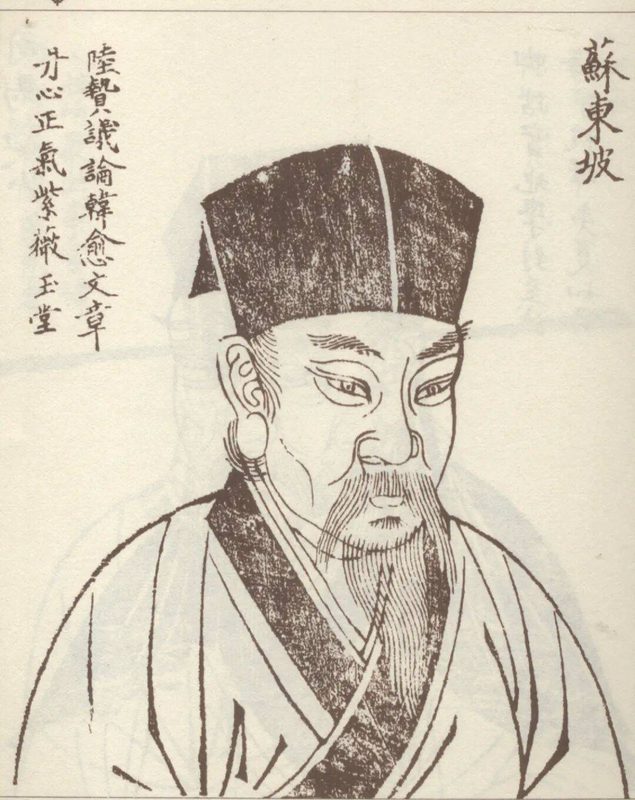
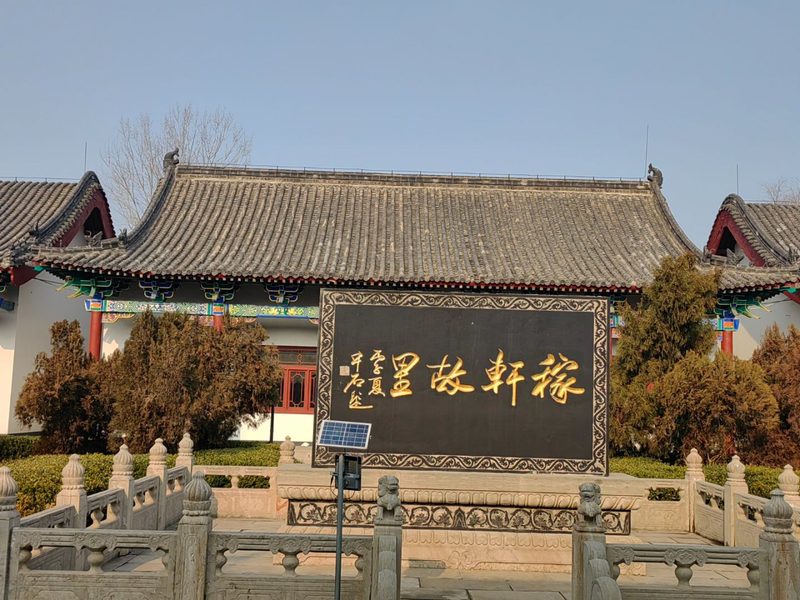
Ci is a new form of verse written to be sung to music, with lines of varying length, so it is also called “long and short lines”. It already existed in Tang, grew greatly through the Five Dynasties and the Song, and became the most representative literary form of Song, ranked with Tang poetry and Yuan drama. Each ci is composed to a set tune with a fixed pattern called a “tune title”, such as “Charm of Niannu”, “The River All Red”, “Butterflies Love Flowers” and “Prelude to Water Melody”. Ci at first mostly described parting and longing between lovers and scenes of flowers and moonlight, in a graceful, delicate style. The Northern Song writer Su Shi (1037–1101) contributed greatly to its growth: he widened its subjects, using ci to express personal feeling, describe landscapes, convey philosophy of life and patriotic feeling, and began the bold and unrestrained style; “The great river flows east, its waves wash away the heroes of a thousand ages” is his famous line. Li Qingzhao (1084–c. 1155), who took the name Yi'an Jushi, was the finest woman ci poet of Song and a representative of the graceful school. Her early ci mostly describe life in the women's quarters and longing for her husband Zhao Mingcheng, fresh and bright; her later ci are full of grief for her country and her own fate, and lines such as “Seeking, seeking, cold, cold, lonely, lonely, sad, sad, sorrowful” are deeply moving. Xin Qiji (1140–1207) of Southern Song, who took the name Jiaxuan, joined an anti-Jin volunteer army in the north in his youth, and after moving south urged a northern campaign but was repeatedly sidelined.
References
Text and images from Wikipedia are used under CC BY-SA and their respective licenses