Northern SongAD 960–1127
Wang Anshi's Reforms
1069
In 1069 Emperor Shenzong appointed Wang Anshi to carry out reforms, including the Green Sprouts Law, Service Exemption Law and Baojia Law. They raised revenue but met fierce conservative opposition.
View on the timeline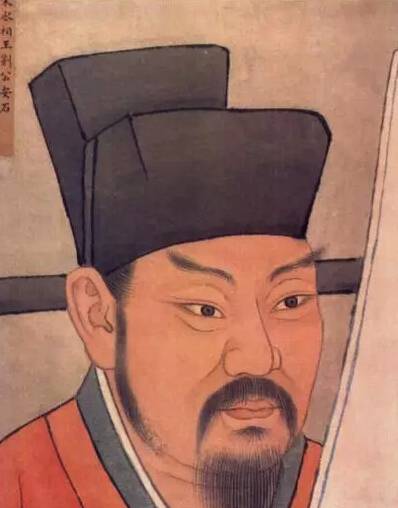
In mid-Northern Song the political climate was conservative and administration inefficient. With the bureaucracy and army swelling, official salaries and military costs were huge and revenue fell short; land annexation was severe, peasants were heavily burdened and uprisings came one after another, leaving Northern Song in “poverty and weakness”. Wang Anshi (1021–1086), courtesy name Jiefu, from Linchuan, Fuzhou (present-day Fuzhou, Jiangxi), was a noted Northern Song statesman, thinker and writer, one of the “Eight Great Prose Masters of Tang and Song”. In 1069 the young Emperor Shenzong appointed Wang Anshi Participant in Governance, and the next year chancellor, to lead reform, known as the “Xining Reforms”. The main measures were these. Economic: the Green Sprouts Law, under which the government lent money or grain to peasants in the lean season, to be repaid with interest after harvest; and the Service Exemption Law, under which the government collected exemption fees from households liable for service and hired people to do it. Military: the Baojia Law, which organized households into groups that drilled in the off-season, improvements in weapon making, and the discharge of old and weak soldiers. Education: examination reform, abolishing poetry and rhapsodies in favor of classics and policy essays. The reforms to some extent raised state revenue, strengthened military power and curbed powerful annexers. But they hurt the interests of senior officials and big landowners and met fierce opposition from the conservatives led by Sima Guang, and problems in implementation such as poor choice of personnel and forced enforcement added to some people's burdens.
References
Text and images from Wikipedia are used under CC BY-SA and their respective licenses