Northern SongAD 960–1127
Yuanhao Founds Western Xia
Early 11th century
In 1038 the Tangut leader Yuanhao took the imperial title and named the state Great Xia, with its capital at Xingqing (present-day Yinchuan), known as Western Xia. He modeled it on Tang and Song.
View on the timeline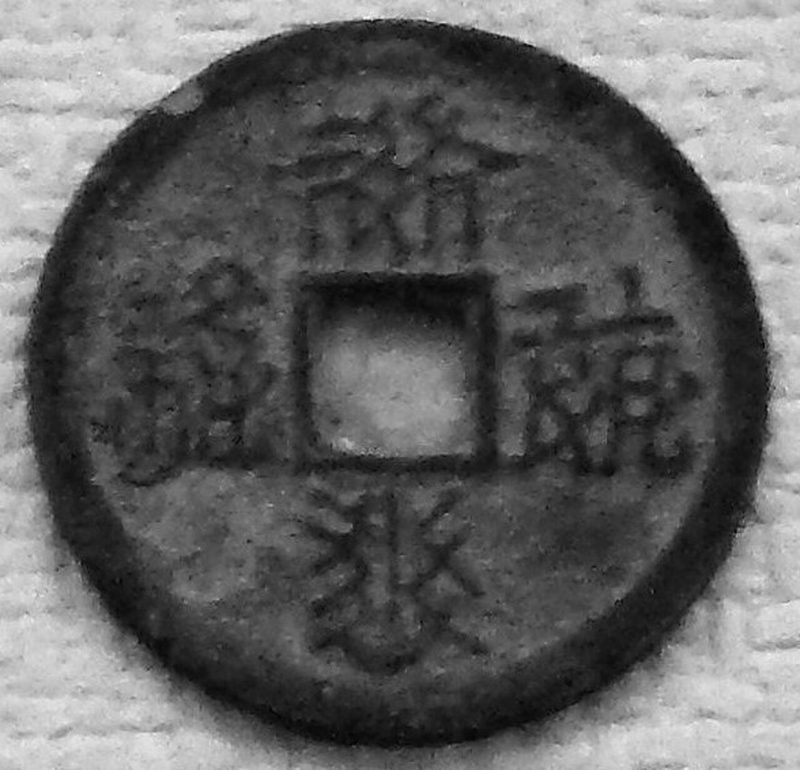
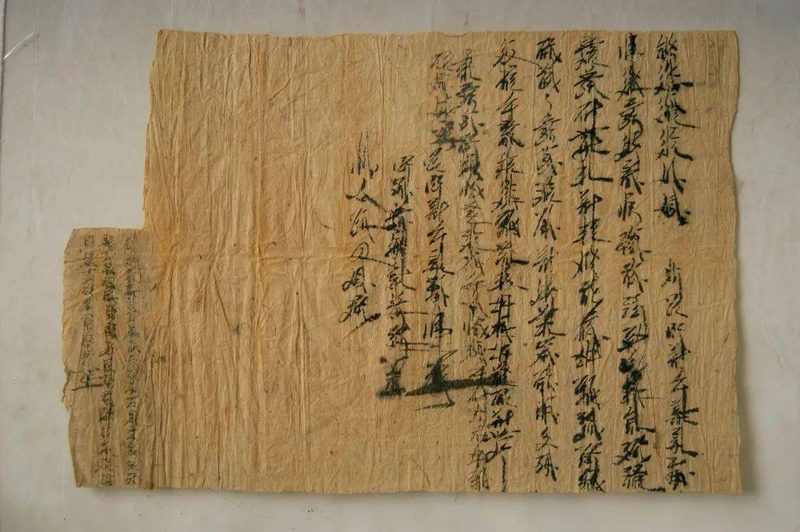
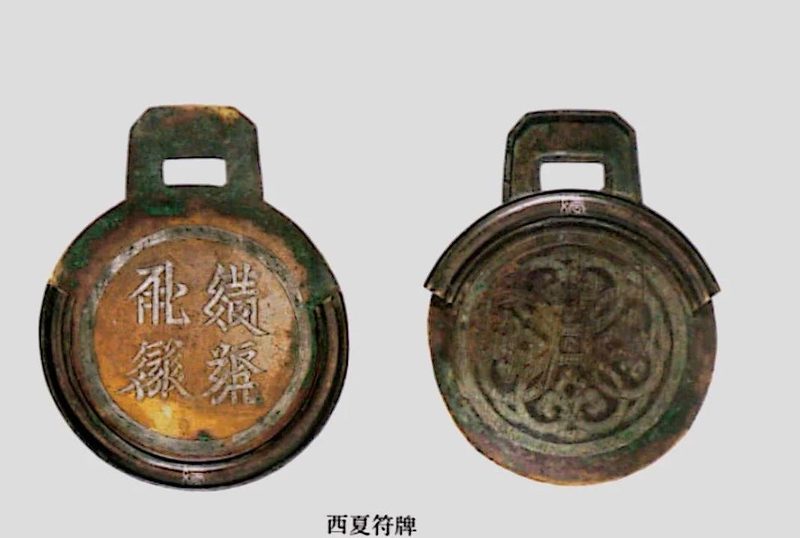
The Tangut people originally belonged to a branch of the Qiang and first lived in what is now southeastern Qinghai. In Tang times, pressed by Tubo, they moved gradually inland to eastern Gansu and northern Shaanxi, where contact with Central Plains culture grew and production developed. In late Tang, the Tangut leader Tuoba Sigong was granted the surname Li, made Duke of Xia and appointed military governor of Dingnan for helping Tang suppress the Huang Chao uprising, and from then the Tangut held Xiazhou (north of present-day Jingbian, Shaanxi) as a warlord domain. In early Northern Song, the Tangut leader Li Jiqian and his son Li Deming alternately submitted to Northern Song and to Liao, expanding their influence and seizing Lingzhou and the Hexi Corridor. In 1038, Li Deming's son Yuanhao formally took the imperial title, named the state Great Xia and made Xingqing (present-day Yinchuan, Ningxia) his capital; because it lay to Song's northwest it is called “Western Xia”. He copied Tang and Song institutions in setting up official and military systems and laws, encouraged land clearing and developed a farming and herding economy, and had officials such as Yeli Renrong create the Western Xia script, with over six thousand characters built on the structure of Chinese characters. Western Xia's territory included present-day Ningxia, most of Gansu, and parts of Shaanxi, Inner Mongolia and Qinghai, standing as a third power with Northern Song and Liao (later Jin). It valued Confucianism and Buddhism, founded schools and held examinations. The Western Xia imperial tombs at the foot of the Helan Mountains in the western suburbs of Yinchuan are called the “Pyramids of the East”. Western Xia lasted about 190 years and was destroyed by the Mongols in 1227.
References
Text and images from Wikipedia are used under CC BY-SA and their respective licenses