Northern SongAD 960–1127
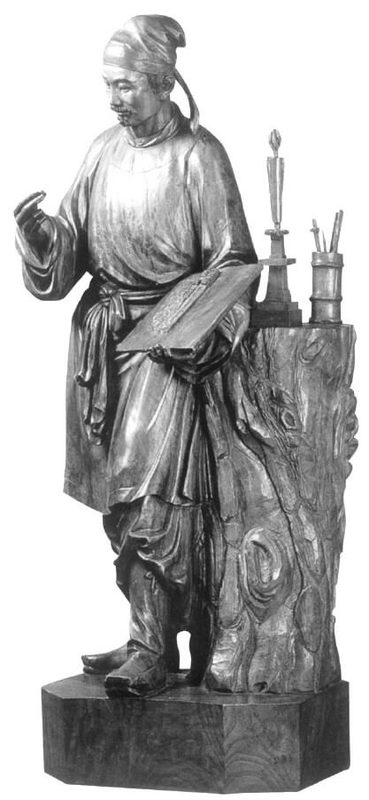
Bi Sheng Invents Movable-Type Printing
Mid-11th century
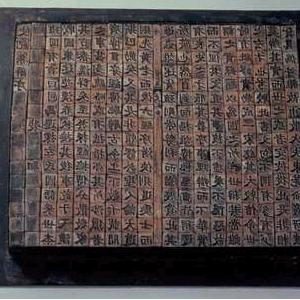
In the Qingli era the commoner Bi Sheng invented clay movable-type printing, one character per piece, reusable and far more efficient. It is one of China’s Four Great Inventions.
View on the timeline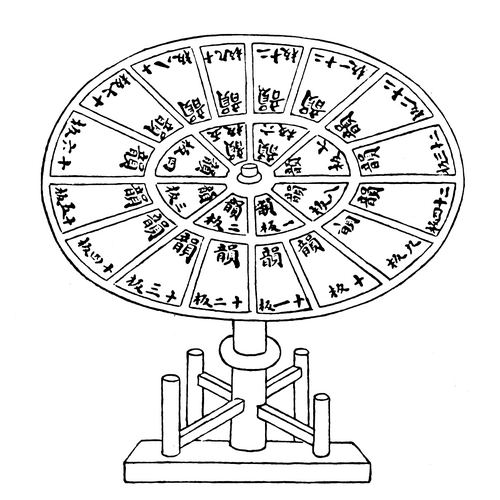
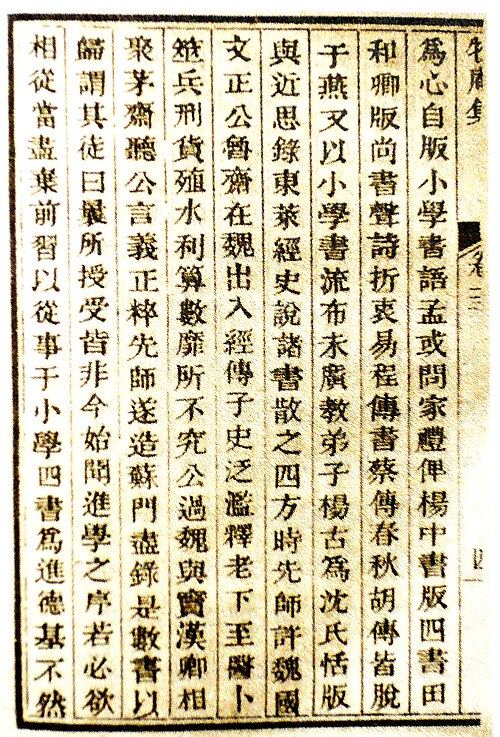
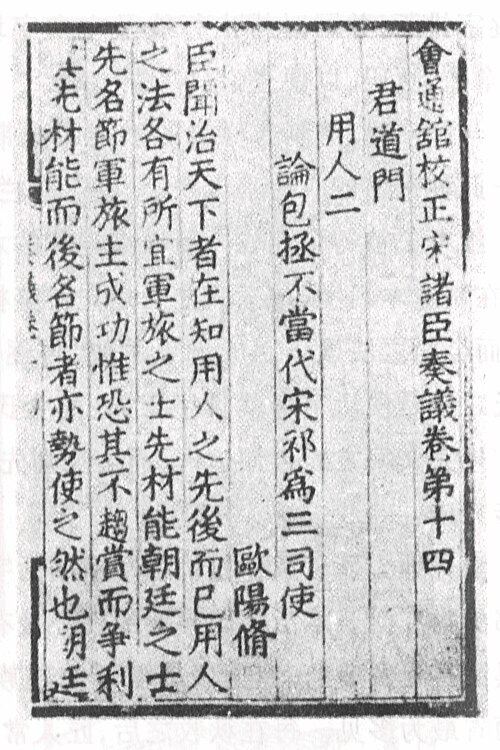
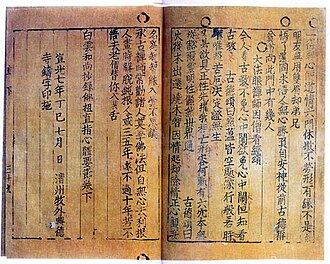
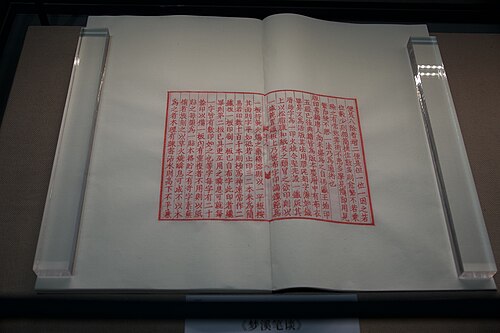
China invented woodblock printing in the Sui and Tang. The world's earliest surviving dated woodblock-printed work is the Diamond Sutra, printed in Tang in 868. Book printing flourished under Liao, Song, Western Xia and Jin. But carving blocks was laborious and slow, each block could print only one book, and a single wrong character could ruin a block. After years of exploration, Song printing saw a new breakthrough. According to Shen Kuo's Dream Pool Essays, during the Qingli era of Emperor Renzong (1041–1048), the commoner Bi Sheng invented movable-type printing. He carved characters one by one in reverse in clay, hardened each by firing to make type. To make a page, he spread a mixture of pine resin, wax and paper ash over an iron plate with an iron frame, set the type inside the frame according to the text, filling a frame to make one forme, then heated it; when the mixture began to melt he pressed the surface flat with a board, and when it cooled the type was fixed on the plate and could be inked and printed. After printing, it was heated again so the mixture melted and the type could be removed for reuse. The method, he noted, “is not simple if you print only two or three copies, but for tens, hundreds or thousands it is extremely fast”. Compared with woodblock printing, movable type was both cheaper and quicker. It later spread to Korea, Japan, Southeast Asia and Europe, some four hundred years before Gutenberg's metal movable type in Germany. Printing is one of China's Four Great Inventions and made a great contribution to the spread and growth of human civilization.
References
Text and images from Wikipedia are used under CC BY-SA and their respective licenses