TangAD 618–907
Golden Age of Tang Poetry (Li Bai, Du Fu, Bai Juyi)
Tang dynasty
Tang was the golden age of poetry: the Complete Tang Poems holds nearly 50,000 poems, and Li Bai, Du Fu and Bai Juyi are its greatest figures.
View on the timeline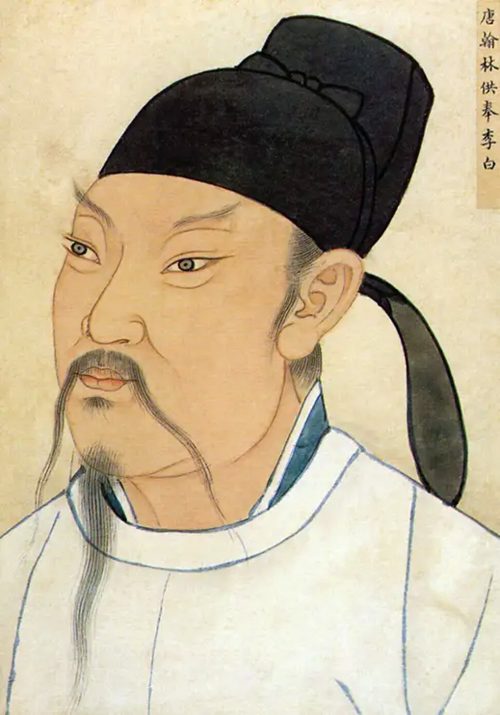
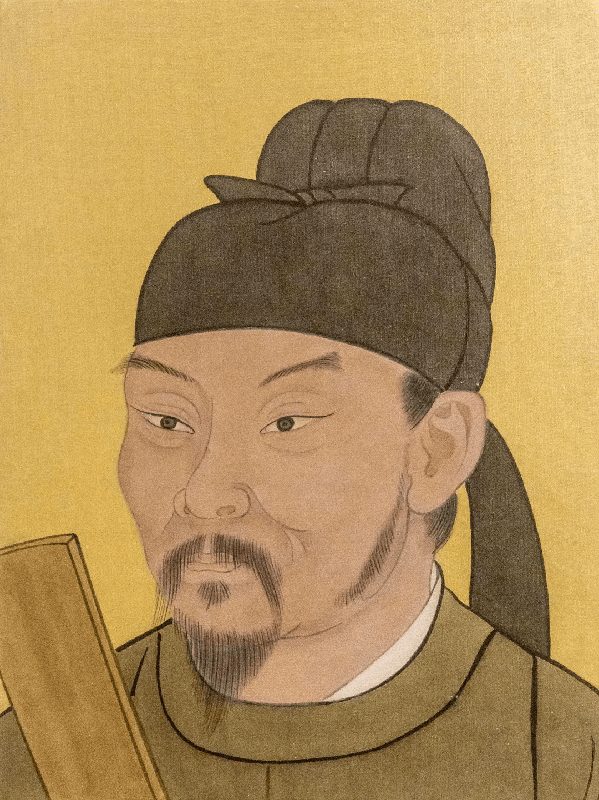
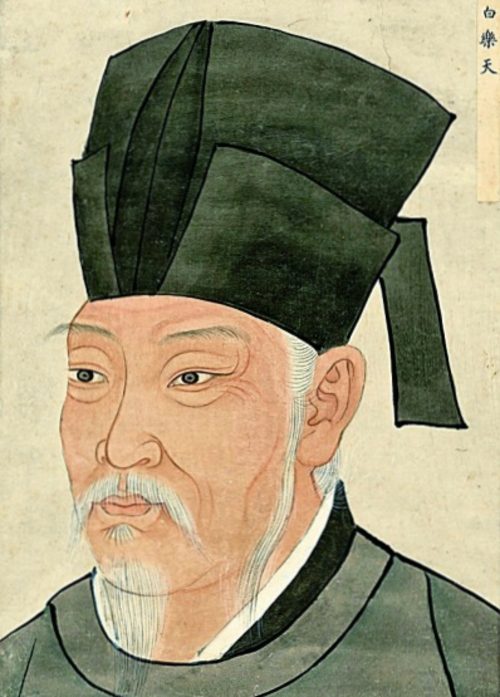
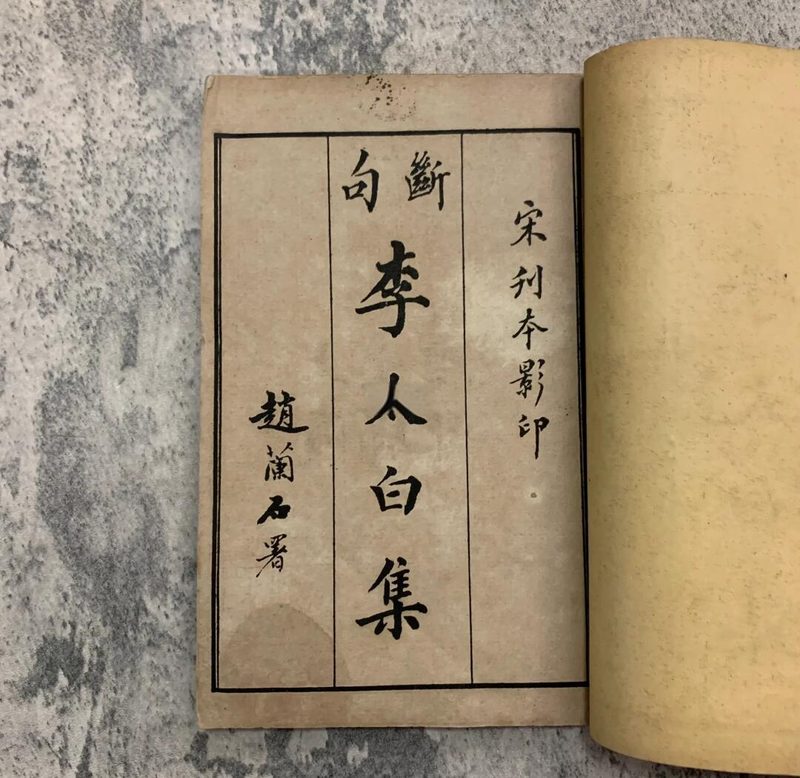
The Tang was the peak of classical Chinese poetry. Scholars used verse exchanges as an important way of socializing and expressing feeling, and the civil service examinations also valued poetry and rhapsodies, so composition thrived. The Complete Tang Poems, compiled in the Qing, contains nearly 50,000 poems by over 2,200 Tang poets, with rich themes, varied styles and many masters. Wang Wei and Meng Haoran wrote landscape and pastoral poems, Gao Shi and Cen Shen frontier poems, and Li Shangyin and Du Mu also had their own distinct voices. The most famous are Li Bai, Du Fu and Bai Juyi. Li Bai (701–762), courtesy name Taibai, praised the grandeur of the land, expressed an upward-striving spirit, and showed contempt for the powerful and a love of freedom. His style is free and bold, full of imagination and strongly romantic, and he is called the “Immortal of Poetry”; his works include “The Road to Shu is Hard”, “Bring in the Wine” and “Viewing the Waterfall at Mount Lu”. Du Fu (712–770), courtesy name Zimei, lived as Tang turned from prosperity to decline and had a hard life. His poems deeply reflect society and the people's suffering around the An Lushan Rebellion and express concern for the country and its people. His style is somber and measured, his work is called the “poetic history”, and he is honored as the “Sage of Poetry”; the “Three Officials”, the “Three Partings” and lines like “Behind vermilion gates wine and meat rot, on the road lie the bones of the frozen” are widely recited. Bai Juyi (772–846), courtesy name Letian, advocated the New Yuefu Movement and wrote plain, easy poems, including “The Charcoal Seller”, “Song of Everlasting Sorrow” and “Song of the Pipa”. Tang poetry is a jewel of Chinese culture and spread to Japan, Korea and elsewhere.
References
Text and images from Wikipedia are used under CC BY-SA and their respective licenses