TangAD 618–907
Open Social Customs of Tang
Tang dynasty
Tang society was open and inclusive: women rode horses, played polo and wore “Hu” dress, foreign food and music were popular, and people had an energetic, upbeat spirit.
View on the timeline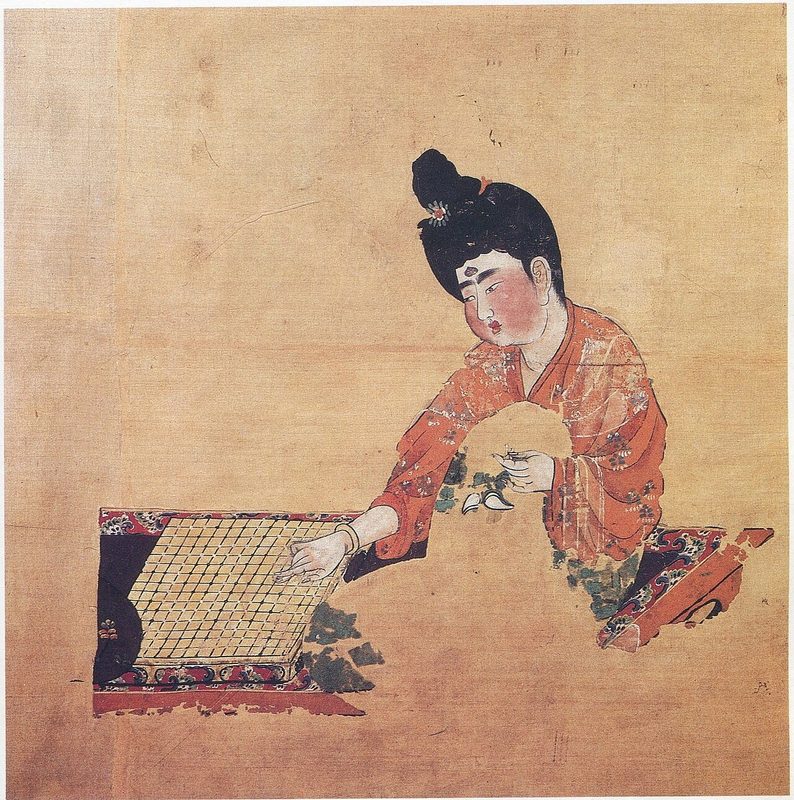
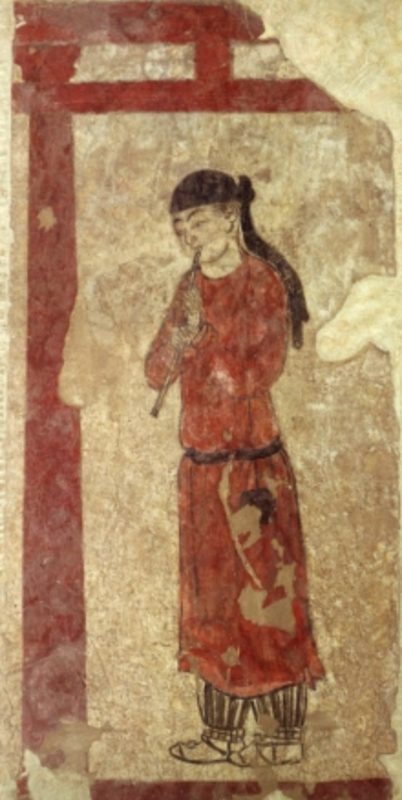
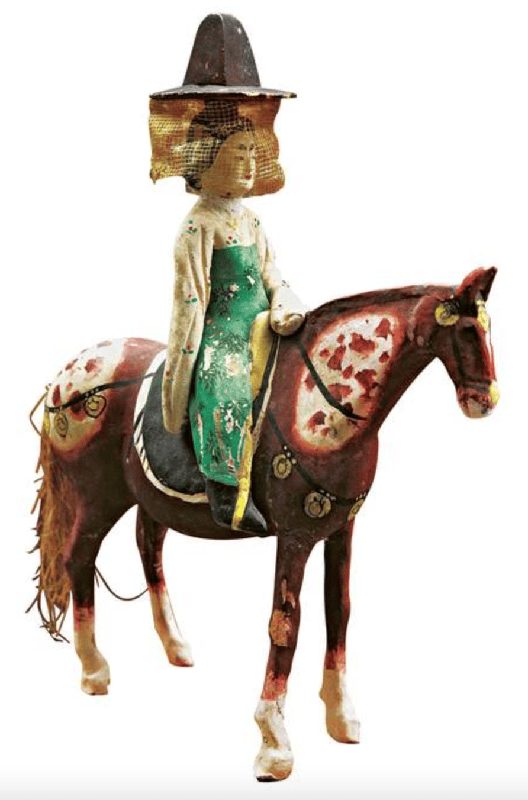
Tang was strong and its rulers followed open policies. Contact among peoples and with foreign lands was frequent, and social customs were relatively open and full of vigor, with people generally showing an energetic, upbeat spirit. Society was inclusive, and clothing, food, housing, travel and entertainment were much influenced by northwestern minorities and foreign cultures. In dress, “Hu” (foreign) clothes and hats were fashionable in Chang'an and elsewhere, and women wearing men's clothing or Hu dress was common. In food, Hu flatbread, sesame and grape wine were popular. In music and dance, Kucha music and the Hu whirl and Hu leap dances from the Western Regions were all the rage; the poet Wang Jian wrote, “On the city wall the pheasants cry, and every household in Luoyang learns Hu music.” Women had a relatively high status and faced fewer restrictions, could go out fairly freely, and many were educated in literature and music and enjoyed riding, polo, tug-of-war, archery, swinging and board games. Tang pottery figures and murals often show women riding out or playing polo, as in Zhang Xuan's Lady Guoguo's Spring Outing. Tang also had a vigorous martial spirit; many literati aspired to military service on the frontier, so frontier poetry flourished, and the line “better to be a captain of a hundred than a mere scholar” reflects this. Polo, tug-of-war, cuju and go were popular at every level of society. Tang's open customs were closely tied to the nation's strength, ethnic integration and cultural exchange, and reflect the confidence and inclusiveness of the Great Tang.
References
Text and images from Wikipedia are used under CC BY-SA and their respective licenses