TangAD 618–907
Bohai Kingdom, the “Flourishing State of the East”
Late 7th–8th century
In the late 7th century the Sumo Mohe leader Dae Joyoung founded a regime, made Prince of Bohai by Tang in 713. Modeled on Tang, Bohai prospered and was called the “Flourishing State of the East”.
View on the timeline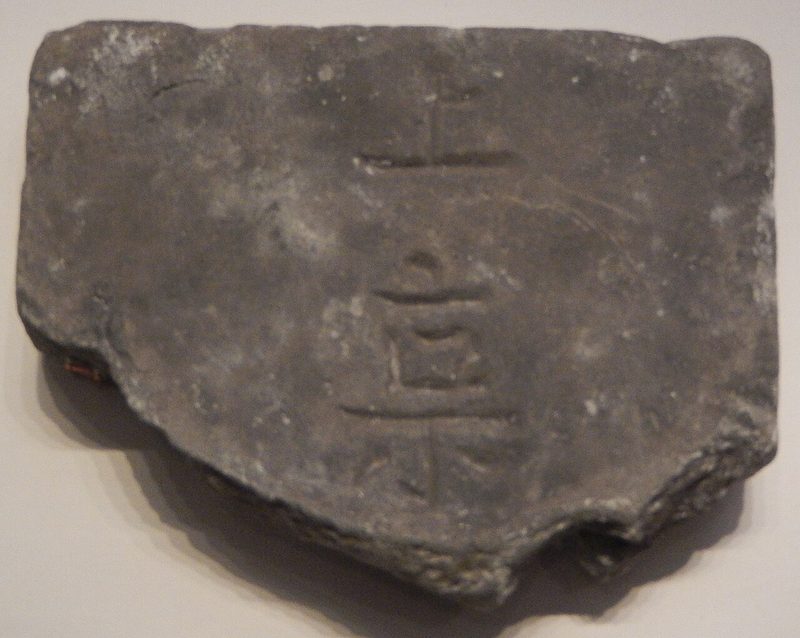
The Mohe were an ancient people of the Songhua and Heilong River basins in northeast China, ancestors of the later Jurchen and Manchu, who in Tang times were divided into the Sumo, Heishui and other groups. In 698 the Sumo Mohe leader Dae Joyoung united the Mohe groups and founded a regime at Mount Dongmou (near present-day Dunhua, Jilin), calling himself “King of Zhen”. In 713 Emperor Xuanzong sent Cui Xin to invest him as “Prince of Bohai” and set up Hulhan Prefecture in his territory, naming him its governor; the regime then took “Bohai” as its name and became a local ethnic regime under Tang. On his way back Cui Xin dug a well at present-day Lushun and left a stone inscription, the “Honglu Well Inscription”, which the Japanese carried off in 1908. Bohai had close ties with Tang, regularly sending envoys and students to Chang'an, and Tang poetry, books, Buddhism and institutions flowed in. Bohai set up a Three Departments and Six Ministries system on the Tang pattern, with five capitals, fifteen prefectures and sixty-two districts, used Chinese characters, and laid out its capital, Shangjing Longquanfu (present-day Bohai Town, Ning'an, Heilongjiang), after Chang'an. Trade with the interior was frequent, agriculture, crafts and commerce grew greatly, and its economy and culture flourished, earning the name “Flourishing State of the East”. At its height its territory included eastern Northeast China, northeastern Korea and part of the Russian Far East. In 926 Bohai was destroyed by the Khitan after more than two hundred years. Its history shows that ethnic groups in the northeast had close ties with Central Plains dynasties from early on, an important part of the pluralistic unity of the Chinese nation.
References
Text and images from Wikipedia are used under CC BY-SA and their respective licenses