Northern and Southern DynastiesAD 420–589
Jia Sixie's Qimin Yaoshu (Essential Techniques)
Northern Dynasties
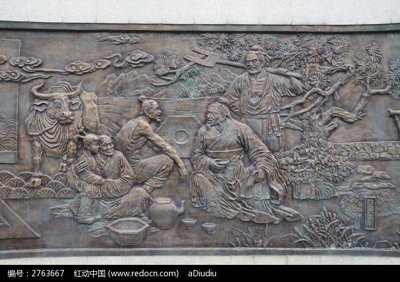
Jia Sixie of the Northern Wei summarized farming, forestry, herding and fishing techniques in Essential Techniques for the Common People, China's earliest complete surviving farming treatise.
View on the timeline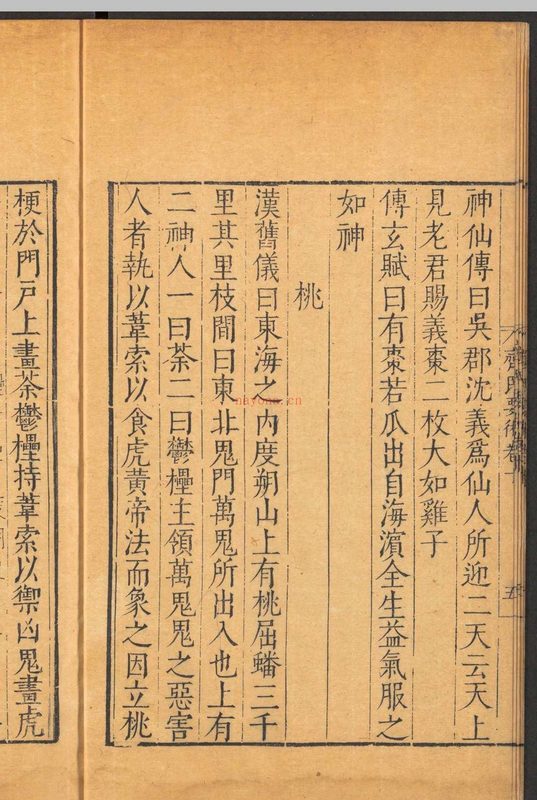
Jia Sixie was an outstanding agronomist of the Northern Wei, from Yidu in Qingzhou (around present-day Shouguang, Shandong), who served as governor of Gaoyang Commandery (around present-day Linzi, Shandong) and paid close attention to farming. He traveled widely to study agriculture and humbly consulted old farmers. He gathered agricultural knowledge from ancient books, citing over 150 earlier works, collected popular farm proverbs and songs, drew on the farmers' experience, and tested it in practice. Around the end of the Northern Wei to the Eastern Wei (the 530s to 540s) he wrote Essential Techniques for the Common People (Qimin Yaoshu). “Qimin” means ordinary people and “yaoshu” essential methods of making a living. In 10 volumes and 92 chapters of about 110,000 characters, it systematically summarizes production techniques in northern China in farming, forestry, herding, sidelines and fishing, covering cultivation, seed selection and breeding, crop growing, planting and grafting of fruit trees and timber, raising livestock and poultry, veterinary care, brewing and food processing, and more. Jia Sixie stressed that farming must follow natural laws, suited to local conditions and never missing the season, that is, “follow the seasons and measure the land's advantages, and little effort brings great success.” He also valued better techniques and tools, put forward advanced experience such as crop rotation, seed selection and green manure, and advocated diversified economy and commodity production. It is the earliest and most complete surviving agricultural treatise in China and one of the earliest specialized works in world agronomy, with profound influence on later farming.
References
Text and images from Wikipedia are used under CC BY-SA and their respective licenses