SuiAD 581–618
Founding and Unification of the Sui
Sui founded 581, unification 589 · Northern and Southern Dynasties → Sui
Yang Jian founded the Sui in AD 581 with its capital at Chang'an and destroyed the Chen in 589 to unify the country, ending nearly three centuries of division since the Wei and Jin.
View on the timeline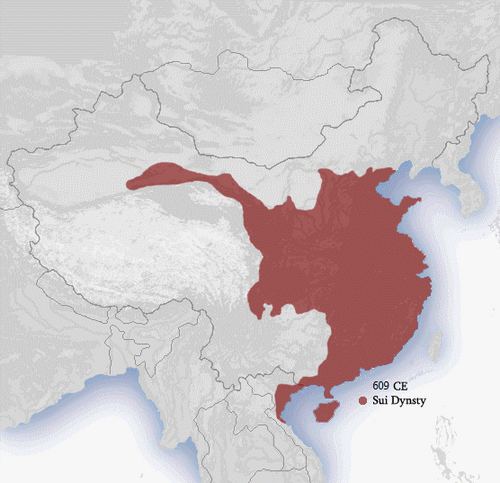
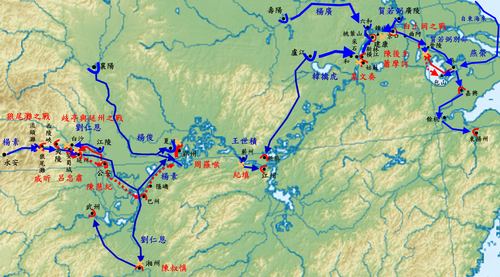
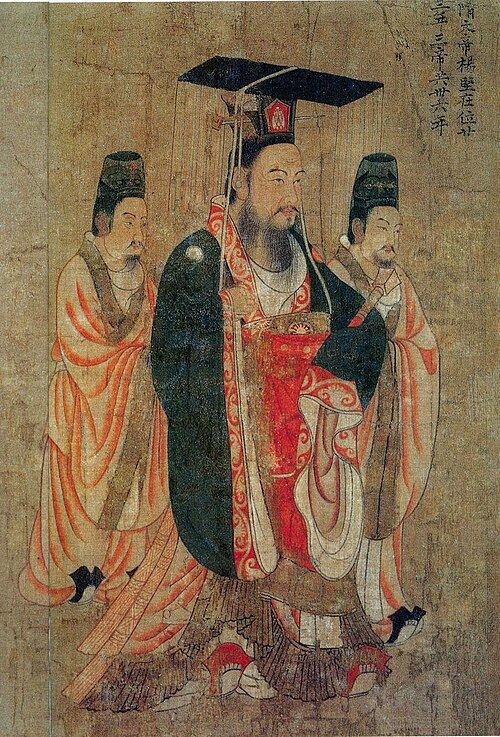
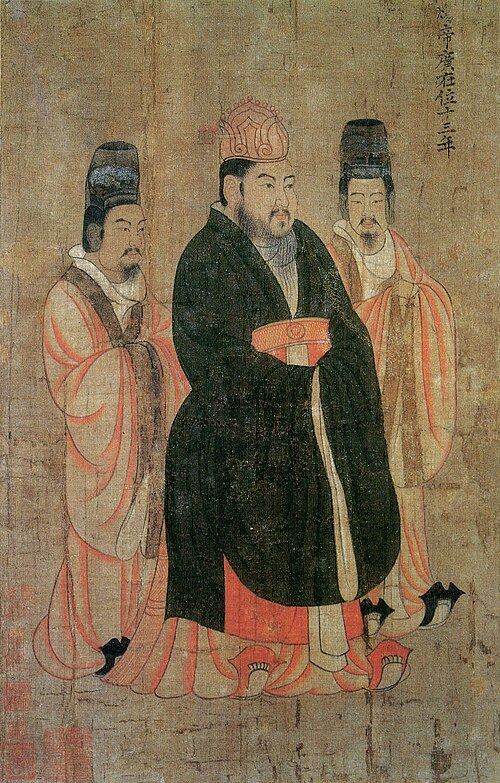
The last dynasty of the Northern Dynasties was the Northern Zhou, which destroyed the Northern Qi in AD 577 and unified the north. At the end of the Northern Zhou the emperor was a child, and Yang Jian, of the consort clan, held power as chancellor. In 581 Yang Jian forced Emperor Jing of Northern Zhou to abdicate and took the throne, founding the Sui with its capital at Chang'an; Yang Jian was Emperor Wen of Sui. In the south the Chen dynasty was corrupt; its last emperor, Chen Shubao, ignored government and indulged in poetry, wine and building projects. Emperor Wen prepared actively for unification, and in 588 made his second son Yang Guang commander, mustering over 500,000 troops in eight columns against the Chen. In 589 Sui troops crossed the Yangtze, entered Jiankang and captured the last Chen emperor; the Chen fell and the Sui unified the country. The unification ended nearly three centuries of division and followed the trend toward a unified, multiethnic state. After unification the Sui took a series of steps to consolidate rule: it reformed central government and set up the system of Three Departments and Six Ministries; it changed the three levels of local administration (province, commandery, county) to two, province and county; it issued the Kaihuang Code and abolished some cruel punishments; it developed the economy, continued the equal-field system, and entered hidden households on the rolls, which raised state revenue; and it unified currency and weights and measures across north and south. These measures speeded economic recovery, population and cultivated land grew sharply, and state storehouses held ample grain and cloth; the Sui became a vast and strong dynasty, known as the “Rule of Kaihuang.”
References
Text and images from Wikipedia are used under CC BY-SA and their respective licenses