Western Han202 BC–AD 8
State Salt and Iron Monopolies and the Wuzhu Coin
Reign of Emperor Wu of Han
Emperor Wu centralized coinage under the court with the standard wuzhu coin and introduced state salt and iron monopolies and price equalization, improving finances and tightening economic control.
View on the timeline
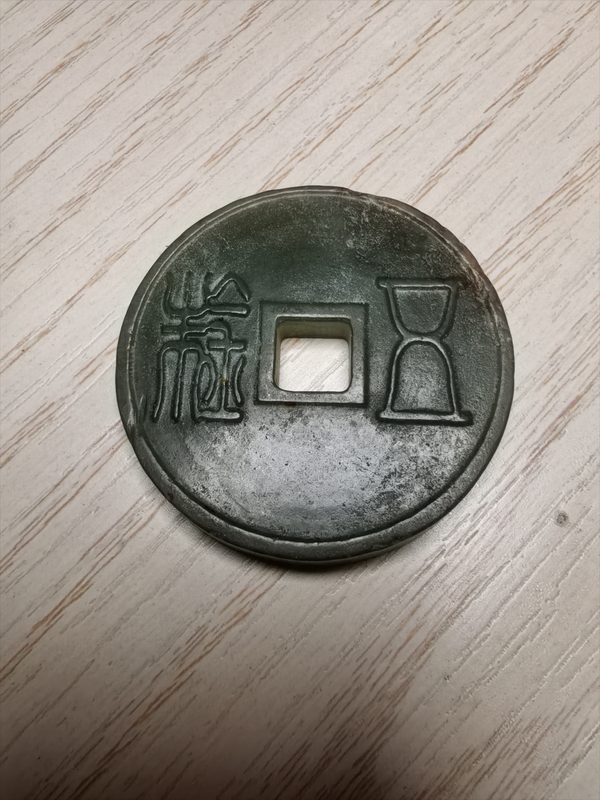
In the early Western Han, private minting was not fully banned; coins cast by commanderies and individuals varied in weight and the currency was chaotic. The salt and iron trades were mostly in the hands of powerful merchants, who controlled the economic lifeline of the state. During the Rebellion of the Seven States, some profit-minded merchants refused to lend the court money for fear it would lose. Under Emperor Wu, years of war against the Xiongnu and large construction projects strained the treasury. To strengthen control of the economy, he employed Sang Hongyang, from a merchant family, and others to carry out a series of reforms. On currency, casting of wuzhu coins began in 118 BC, and in 113 BC minting was taken over by the central government, with commanderies and kingdoms forbidden to cast coins; an office in the Shanglin Park minted them. The wuzhu coin was of moderate weight and fine make, hard to counterfeit, and remained in use from Emperor Wu's time until the early Tang, over 700 years, one of the longest-circulating coinages in Chinese history. On salt and iron, the court set up salt and iron officials across the country and took over boiling salt, smelting iron and selling them as state monopolies, forbidding private trade. It also introduced the transport-and-equalization and price-stabilization laws, by which the state moved goods between regions and steadied prices, striking at merchants' hoarding. These measures greatly improved state finances and underpinned Emperor Wu's campaigns against the Xiongnu, expansion and water works, though state-run salt and iron suffered from high prices and poor quality. Under Emperor Zhao, a Salt and Iron Conference debated these policies; Huan Kuan later compiled the record as Discourses on Salt and Iron.
References
Text and images from Wikipedia are used under CC BY-SA and their respective licenses