Neolithicc. 10,000 years ago–2070 BC
Dawenkou Culture
c. 5,000 years ago
The Dawenkou culture of Shandong, c. 5,000 years ago, had advanced farming and crafts, and sharply unequal grave goods point to growing social inequality.
View on the timeline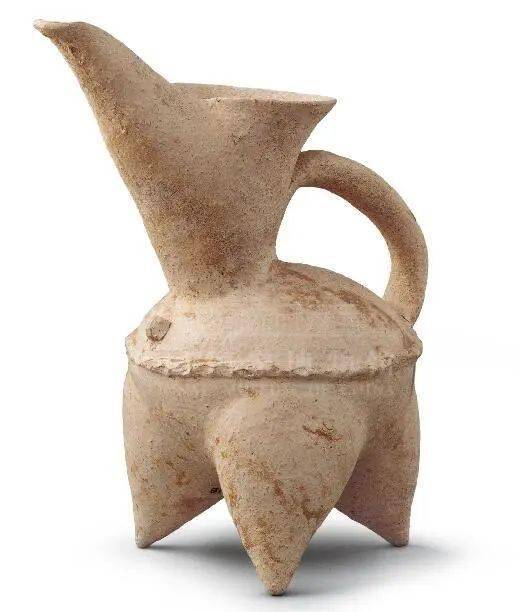
The Dawenkou culture was a Neolithic culture of the lower Yellow River in Shandong and northern Jiangsu, dated to about 6,300–4,500 years ago. It is named after the Dawenkou site in Tai'an, Shandong, first excavated in 1959, and later developed into the Shandong Longshan culture. The Dawenkou people grew mainly millet, with a fairly developed farming economy, and raised pigs, dogs and other animals; pig jawbones were often buried as grave goods, as a symbol of wealth. Their crafts were well developed: they made red, black and hard white pottery, in forms such as the bei hu flask, gui tripod and tall-stemmed cup, as well as jade, ivory and bone objects such as ivory combs and openwork ivory tubes. Late Dawenkou graves differ sharply in size and goods: some large tombs had coffins and outer coffins and more than a hundred fine jade, ivory and pottery items, while some small graves had nothing. This shows that private property and wealth inequality had appeared, and that society was beginning to divide into classes. Some Dawenkou pottery vessels bear pictographic symbols, such as a design of sun, clouds and mountain, which many scholars link to the origin of Chinese characters. The Dawenkou people also practiced distinctive customs such as removing the lateral incisors and artificially deforming the skull. The Dawenkou culture influenced both the Central Plains and the lower Yangtze and is important for studying the origins of Chinese civilization. The many pottery, jade and bone and ivory objects from the site vividly show the production, life and society of people in the Haidai region more than 5,000 years ago, and the site is now a nationally protected cultural site.
References
Text and images from Wikipedia are used under CC BY-SA and their respective licenses