Neolithicc. 10,000 years ago–2070 BC
The Neolithic Age Begins
c. 10,000 years ago · Paleolithic → Neolithic
About 10,000 years ago China entered the Neolithic: people settled down, made pottery and polished stone tools, and farming and animal husbandry gradually arose.
View on the timeline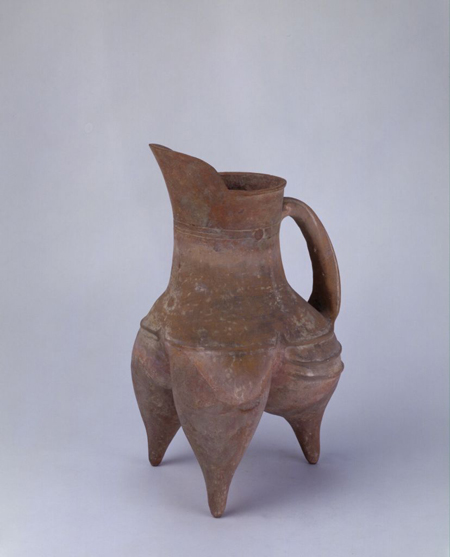
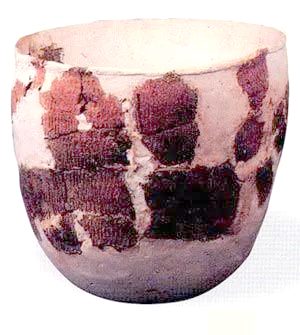
In archaeology, the age marked mainly by polished stone tools is called the Neolithic. About 10,000 years ago, as the last Ice Age ended and the climate warmed, China entered the Neolithic. At first people only lightly ground the edges of stone tools; by more than 10,000 years ago, fully polished axes, adzes and spades appeared, and until metal tools became common, polished stone remained the main production tool. Early people discovered that clay becomes hard when fired and so invented pottery, which could be used to cook food and store grain and drinking water, helping people settle and farm. Pottery sherds from Xianrendong in Wannian, Jiangxi, and Yuchanyan in Daoxian, Hunan, are more than 10,000 years old; the Xianrendong pot is among the earliest pottery found anywhere in the world. In the Neolithic, primitive farming, herding and handicrafts gradually emerged. People built houses, formed villages and lived a relatively stable settled life, and primitive religion and art appeared. Neolithic sites are spread across the Yellow River, Yangtze River and Liao River basins, including the Peiligang, Yangshao, Hemudu, Hongshan, Liangzhu and Longshan cultures. Each distinctive yet influencing the others, they form a “starry sky” pattern that laid the foundation for the origins of Chinese civilization. The Neolithic marked humanity's gradual shift from a gathering-and-hunting economy dependent on nature to a producing economy, a profound change that some scholars call the “Neolithic Revolution.”
References
Text and images from Wikipedia are used under CC BY-SA and their respective licenses