SuiAD 581–618
Creation of the Imperial Examination System
Reigns of Emperors Wen and Yang of Sui
Emperor Wen of Sui began selecting officials by examinations, and Emperor Yang created the jinshi degree, marking the formal establishment of the imperial examinations, used for over 1,300 years.
View on the timeline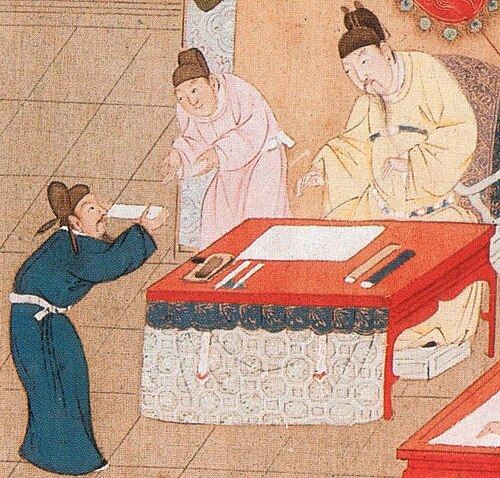
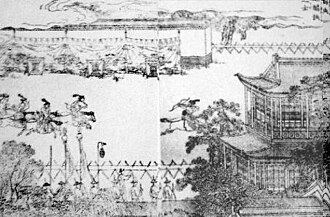
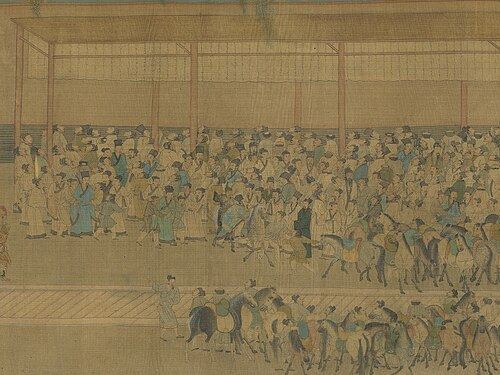
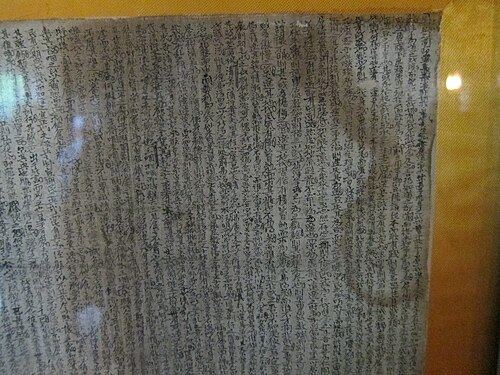
In the Wei, Jin and Northern and Southern Dynasties the Nine-Rank system was used, and the selection of officials was monopolized by great clans; family background counted for more than ability, producing the situation in which “no commoners among the upper ranks, no gentry among the lower,” and many talented men of humble origin were overlooked. After taking the throne, Emperor Wen of Sui abolished the Nine-Rank system, paid attention to examining candidates' learning, and began selecting officials by examinations by subject. Under Emperor Yang the jinshi degree was created, choosing talent by examination on policy questions, generally taken to mark the formal establishment of the imperial examinations. The Tang improved the system further: Emperor Taizong expanded the state schools and enrolled more candidates; Wu Zetian created the palace examination and the military examination; and under Emperor Xuanzong poetry and rhapsodies became the main content of the jinshi examination. Regular Tang subjects included the mingjing and jinshi, of which the jinshi was the hardest, as in the saying “a mingjing at thirty is old, a jinshi at fifty is young.” The Song added name-sealing and copying of papers, and the Ming and Qing used the “eight-legged essay.” The creation of the examinations was a major change in China's official selection: it ended the great clans' monopoly on careers, widened the sources of officials, let talented men of humble origin join government, and promoted social mobility; and it promoted education and culture. The examinations became the main way successive dynasties chose officials, lasting until the Qing government abolished them in 1905, over 1,300 years in all, and were also imitated by Korea, Vietnam and other countries.
References
Text and images from Wikipedia are used under CC BY-SA and their respective licenses