Northern and Southern DynastiesAD 420–589
Emperor Xiaowen's Reforms
AD 494
Building on Empress Dowager Feng's reforms, Emperor Xiaowen of the Northern Wei moved the capital to Luoyang in AD 494 and enforced sinicizing measures such as speaking Chinese and wearing Han dress.
View on the timeline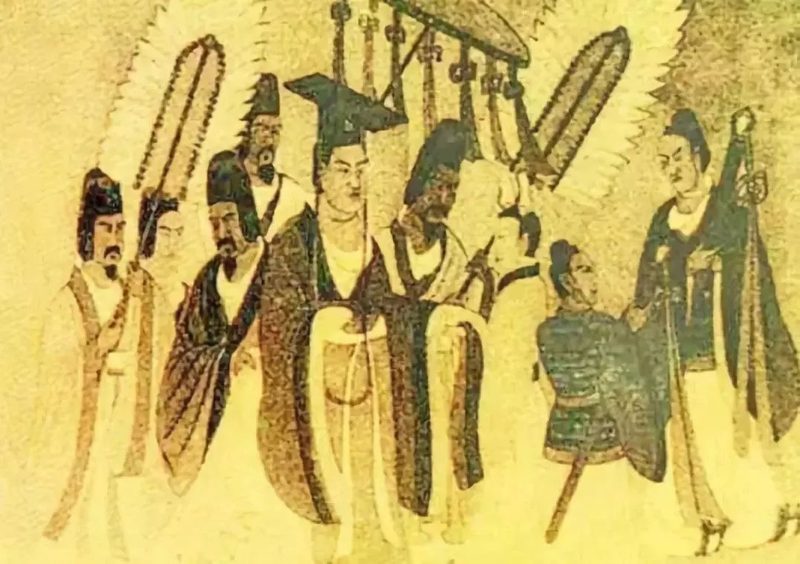
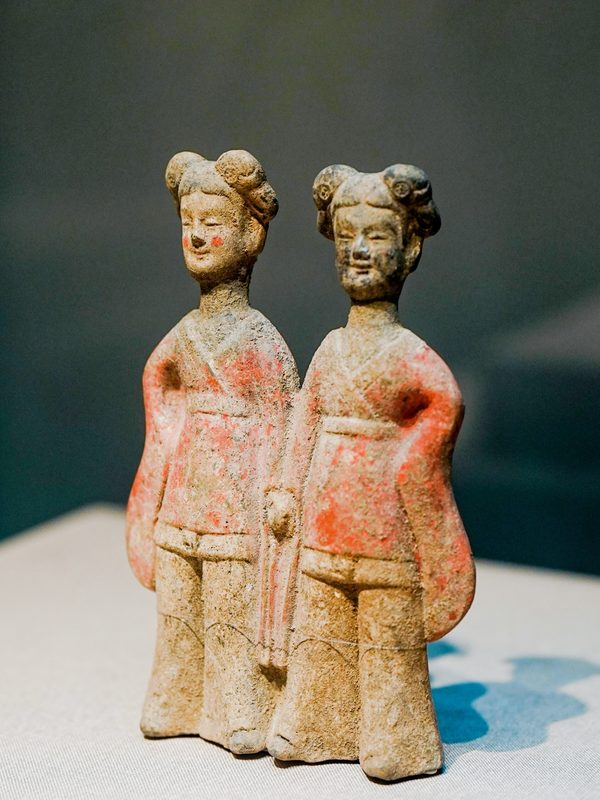
Emperor Xiaowen of the Northern Wei, Tuoba Hong, took the throne at five, with his grandmother Empress Dowager Feng governing from behind the throne. She carried out a series of reforms: she reformed administration, introduced official salaries and punished corruption; in 485 she issued the equal-field order, distributing state-held wasteland to peasants by population; she set up the Three Elders system to strengthen control at the grassroots; and she introduced a new tax system that eased the peasants' burden. These reforms advanced the feudalization of the Xianbei and economic development, and deeply influenced Emperor Xiaowen. After the empress dowager died in 490, he took personal rule and deepened the reforms. In 493, under the pretext of campaigning against the Southern Qi, he led a great army south, and in 494 formally moved the capital to Luoyang, relocating over a million Xianbei and other northern people to the Central Plains. After the move he enforced sinicizing measures: officials had to use Chinese at court and Xianbei was banned; Han dress replaced Xianbei dress; Xianbei compound surnames were changed to Han ones, the imperial Tuoba clan becoming Yuan and the emperor renamed Yuan Hong; Xianbei nobles were encouraged to marry into Han gentry clans, and he set the example himself; Han official systems, rituals and laws were adopted, Confucius was honored, and Confucian classics were studied. The reforms met opposition from some Xianbei nobles. They accelerated the feudalization and sinicization of the Xianbei, promoted fusion among northern peoples, strengthened the Northern Wei, and laid a basis for the later unity and prosperity of the Sui and Tang, giving them great significance in the history of the Chinese nation.
References
Text and images from Wikipedia are used under CC BY-SA and their respective licenses