Three KingdomsAD 220–280
The Three Kingdoms Take Shape
AD 220–229 · Eastern Han → Three Kingdoms
Cao Pi became emperor and founded Wei in AD 220, Liu Bei founded Shu Han in 221, and Sun Quan founded Wu in 229, creating the three-way division of Wei, Shu and Wu.
View on the timeline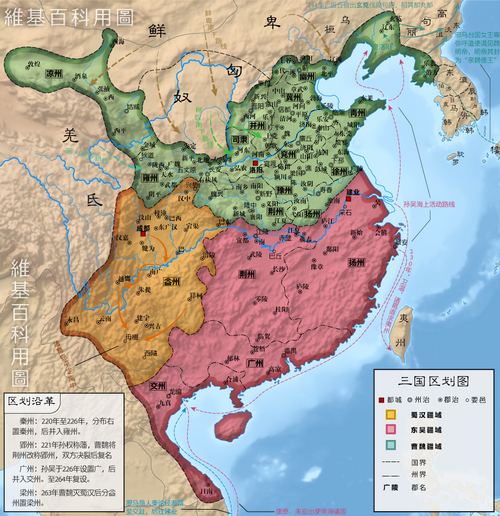
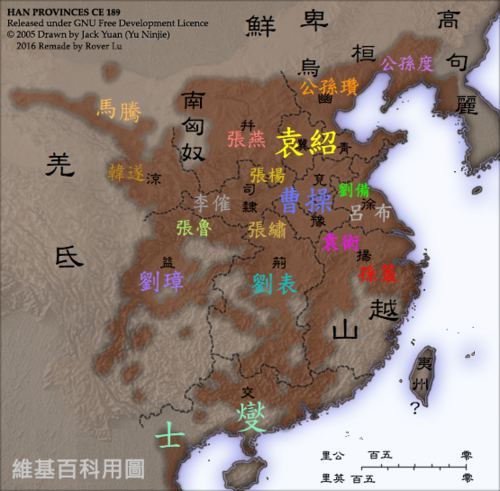
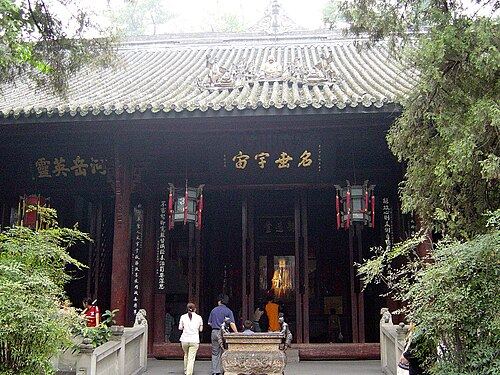
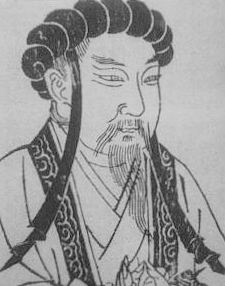
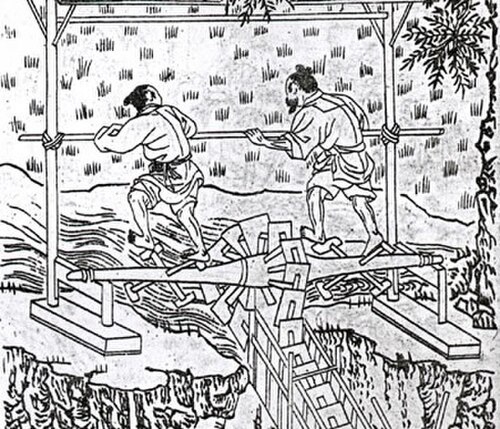
After Red Cliffs, Cao Cao turned to Guanzhong, put down its separatist forces and completed the unification of the north; Liu Bei first took part of Jing Province, then seized Yi Province and Hanzhong, controlling today's Sichuan, Chongqing, Yunnan, Guizhou and part of Hubei; Sun Quan consolidated Jiangdong and extended his rule to today's Fujian and Guangdong. In AD 220 Cao Cao died, and his son Cao Pi deposed Emperor Xian of Han and took the throne at Luoyang under the name Wei, ending the Eastern Han. In 221 Liu Bei proclaimed himself emperor at Chengdu under the name Han, known as Shu Han or Shu. In 222 Sun Quan was made King of Wu by Wei and that year defeated Liu Bei at the Battle of Yiling; in 229 Sun Quan formally became emperor under the name Wu and soon made Jianye (present-day Nanjing, Jiangsu) his capital. The three-way division of Wei, Shu and Wu was complete. In the Three Kingdoms period each state worked to restore and develop its economy: Cao Wei ran military farms and built water works and was the strongest; Shu Han under Zhuge Liang developed agriculture and Shu brocade and pacified the peoples of the southwest; Eastern Wu developed Jiangdong and had a thriving shipbuilding industry, once sending Wei Wen with a fleet to Yizhou (present-day Taiwan). The division ended the long warfare of the late Eastern Han, promoted the development of Jiangnan and the southwest, and prepared for later reunification. Wei destroyed Shu in 263, Sima Yan replaced Wei with the Western Jin in 266, and the Western Jin destroyed Wu in 280, ending the Three Kingdoms. Chen Shou's Records of the Three Kingdoms, and the novel Romance of the Three Kingdoms written from it by Luo Guanzhong in the late Yuan and early Ming, spread the history widely among the people.

References
Text and images from Wikipedia are used under CC BY-SA and their respective licenses