Western Han202 BC–AD 8
Honoring Confucianism, Dismissing Other Schools
Reign of Emperor Wu of Han
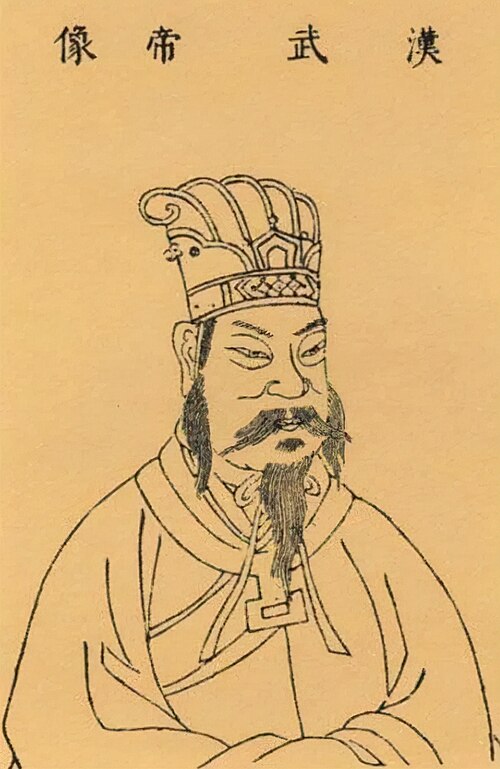
Emperor Wu took Dong Zhongshu's advice, made Confucianism the orthodox ideology, appointed Erudites of the Five Classics and founded the Imperial Academy, so Confucianism became dominant.
View on the timeline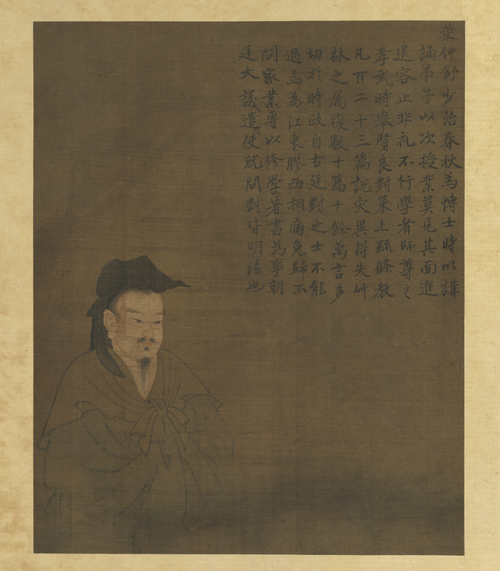
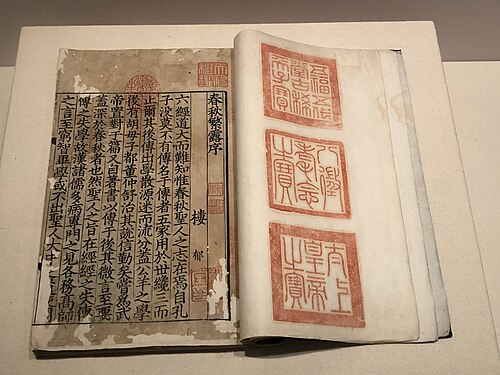
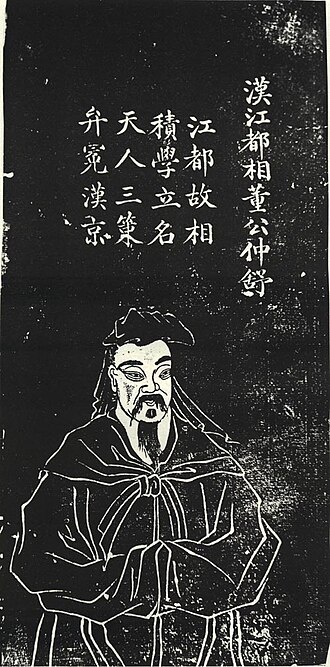
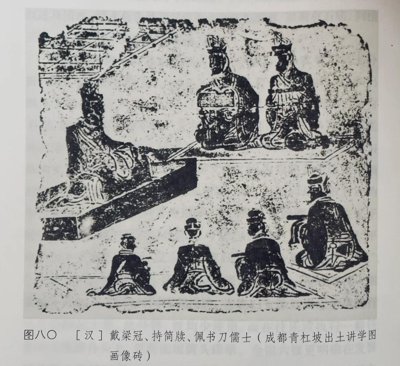
In the early Western Han, rulers followed the Huang-Lao doctrine of “governing by non-action,” and the Hundred Schools all circulated freely. As the state grew stronger, non-action no longer suited the need for centralized power and unity. After taking the throne, Emperor Wu sought advice on governing. In about 134 BC the Confucian master Dong Zhongshu, in his reply, put forward the doctrines of the “interaction between Heaven and humanity” and “great unity,” urging that whatever lay outside the Six Arts and the teachings of Confucius be cut off and not allowed to advance, so that Confucianism alone be honored and thought unified. Dong kept Confucianism at the core while drawing on Yin-Yang thought and Legalism, and advanced ideas such as the “divine right of kings” and the “Three Bonds and Five Constants,” stressing loyalty to the ruler and observance of ritual. This suited the needs of a consolidated empire and won Emperor Wu's strong approval. The emperor adopted the proposal, made Confucianism the orthodox ideology, and created Erudites of the Five Classics to teach the Confucian canon. In 124 BC he founded the Imperial Academy at Chang'an, using the Poetry, Documents, Rites, Changes and Spring and Autumn Annals as textbooks; graduates who passed examinations could hold office, and commanderies and kingdoms also set up schools. Confucianism was thus joined to the selection of officials, and Confucian scholars entered government at every level. It became the orthodox thought of ancient China, revered by successive dynasties, with a profound influence on politics, education and culture. The Han did not wholly suppress other schools, however; its way of ruling mixed the methods of the hegemon and the true king.
References
- Wikipedia (Chinese) - Dismissing the Hundred Schools and Honoring Only Confucianism
- Wikipedia (Chinese) - Dismissing the Hundred Schools and Honoring Only Confucianism
Text and images from Wikipedia are used under CC BY-SA and their respective licenses