Western Zhou1046–771 BC
Uprising of the Capital Dwellers
841 BC
In 841 BC King Li of Zhou monopolized the resources of forests and waters and silenced criticism, provoking an uprising of the capital's people; he fled, and the “Gonghe Regency” followed.
View on the timeline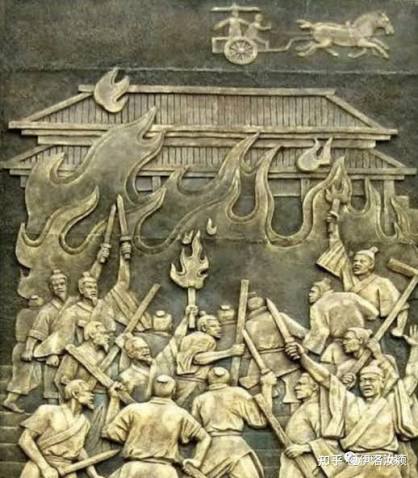
The Uprising of the Capital Dwellers, also called the “Disturbance at Zhi,” was a large popular uprising in the late Western Zhou. “Capital dwellers” (guoren) was the term in the Western Zhou and Spring and Autumn periods for those living in the capital and its suburbs, mainly commoners and lower nobles. During the reign of King Li of Zhou, Duke Yi of Rong was employed to carry out a policy of “monopoly,” taking the forests, hills, rivers and lakes that the capital dwellers had shared into royal ownership and cutting off their livelihood. The king was also tyrannical, sending shamans from the state of Wei to spy on critics and killing those reported, so that people meeting on the road dared only exchange glances, a situation known as “speaking with the eyes on the road.” The Duke of Shao warned, “To stop the people's mouths is worse than to dam a river,” but the king would not listen. In 841 BC the capital dwellers, unable to bear more, rose up spontaneously and stormed the palace; King Li fled in panic to Zhi (present-day Huozhou, Shanxi) and later died there. After the uprising, the Duke of Shao, the Duke of Zhou and other ministers ran the government together (another account says Lord He of Gong acted as regent), known as the “Gonghe Regency.” That year, 841 BC, was the first year of Gonghe, from which Chinese history has exact continuous dating; the table of the twelve lords in the Records of the Grand Historian starts from it. King Li died at Zhi fourteen years later and Crown Prince Jing took the throne as King Xuan of Zhou.
References
Text and images from Wikipedia are used under CC BY-SA and their respective licenses