Xiac. 2070–1600 BC
Founding of the Xia Dynasty
c. 2070 BC · Neolithic → Xia
Yu founded the Xia dynasty c. 2070 BC; after Yu's son Qi took the throne, hereditary succession replaced abdication and the world became “one family's,” making Xia China's first dynasty.
View on the timeline
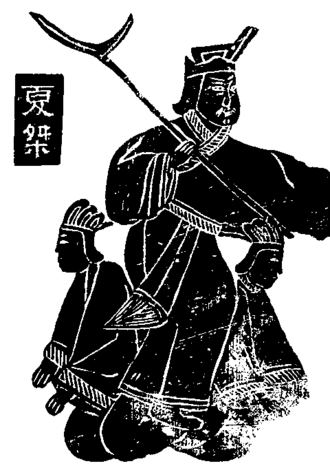
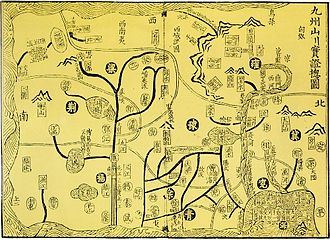
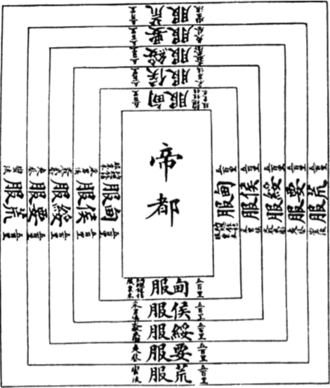
The Xia was the first hereditary dynasty recorded in Chinese histories. Founded by Yu c. 2070 BC and destroyed by the Shang c. 1600 BC, it lasted about 470 years. During his reign Yu conquered the Sanmiao in the south, built a city at Yangcheng (around present-day Dengfeng, Henan) and set up various institutions. Archaeologists found a walled site at Wangchenggang in Dengfeng, dated to about the 21st century BC, thought to be Yu's legendary capital Yangcheng. In his later years Yu intended to pass leadership to Boyi, but after Yu's death his son Qi took the throne with his strong following, held a great feast for the lords at Juntai and defeated the opposing Youhu clan at Gan. From then on hereditary succession replaced abdication and the “world shared by all” became the “world of one family”; the Three Character Classic puts it as “Xia passed to the son, the world of one family.” The Xia set up an army, made penal laws and established prisons, forming the machinery of a state, and society was divided into nobles, commoners and slaves. Its core area was mainly central and western Henan and southern Shanxi; the Records of the Grand Historian, “Basic Annals of Xia,” records fourteen generations and seventeen rulers, with the surname Si. The founding of the Xia marks the emergence of an early Chinese state, and its hereditary succession was followed by later dynasties. Because no Xia writing has yet been found, Xia history is studied mainly through later texts and archaeological finds such as Erlitou. Later Chinese often called themselves “Huaxia” and “Zhuxia,” and “Xia” became one of the names for China.

References
Text and images from Wikipedia are used under CC BY-SA and their respective licenses