Spring and Autumn770–476 BC
Spring and Autumn: Timeline of Events (770–476 BC)
Zhou royal power declines as feudal lords vie for supremacy; Confucius and Laozi appear
View on the timelineEvents in this period
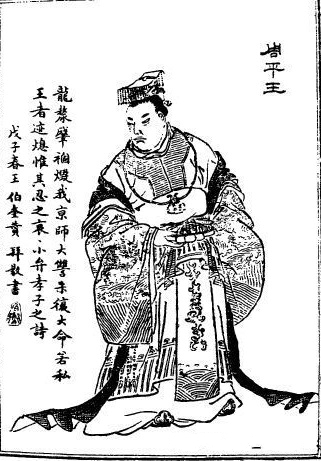 Fall of the Western Zhou and King Ping's Move East771–770 BC
Court corruption under King You let the Marquis of Shen and the Quanrong take Haojing in 771 BC, ending the Western Zhou; King Ping moved the capital to Luoyi in 770 BC.
 Duke Huan of Qi and the Struggle for HegemonyEarly Spring and Autumn
With the Zhou royal house weak, states vied for supremacy; Duke Huan of Qi, reformed by Guan Zhong and using the slogan “revere the king, expel the barbarians,” became the first hegemon.
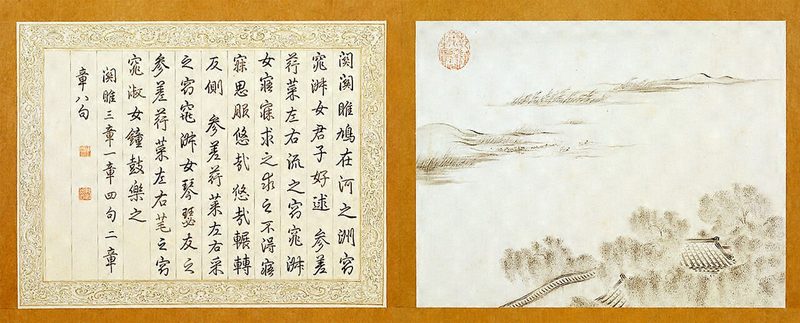 Classic of Poetry (Shijing)Western Zhou to Spring and Autumn
The Classic of Poetry, China's first poetry anthology, collects 305 poems from the early Western Zhou to the mid-Spring and Autumn in three parts: Feng, Ya and Song.
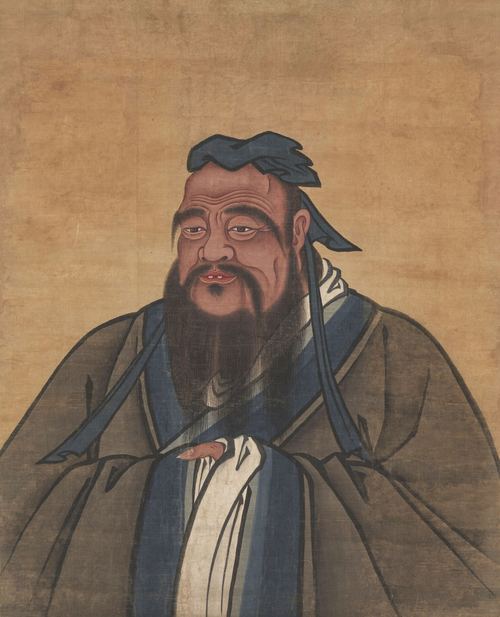 Confucius and Confucianism551 BC
Confucius, founder of Confucianism, taught a philosophy centered on “benevolence,” urged rule by virtue, opened private schools for all, and edited the classics.
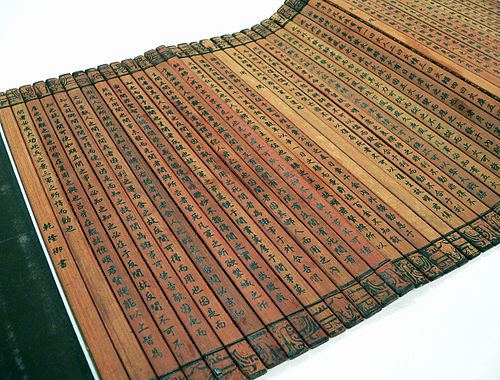 Sun Wu and The Art of WarLate Spring and Autumn
Sun Wu of the late Spring and Autumn period wrote The Art of War in thirteen chapters, with ideas such as “know the enemy and know yourself,” founding ancient Chinese military theory.
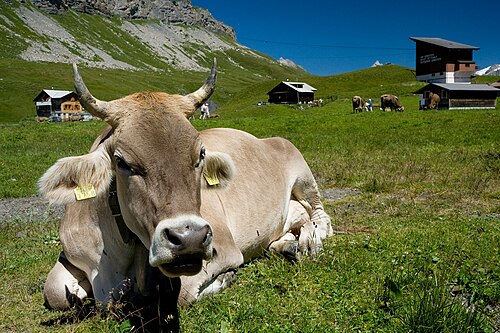 Iron Farm Tools and Ox Plowing AppearLate Spring and Autumn
Iron farm tools and ox plowing appeared in the late Spring and Autumn period, enabling deeper tilling and land clearing and raising farm productivity.
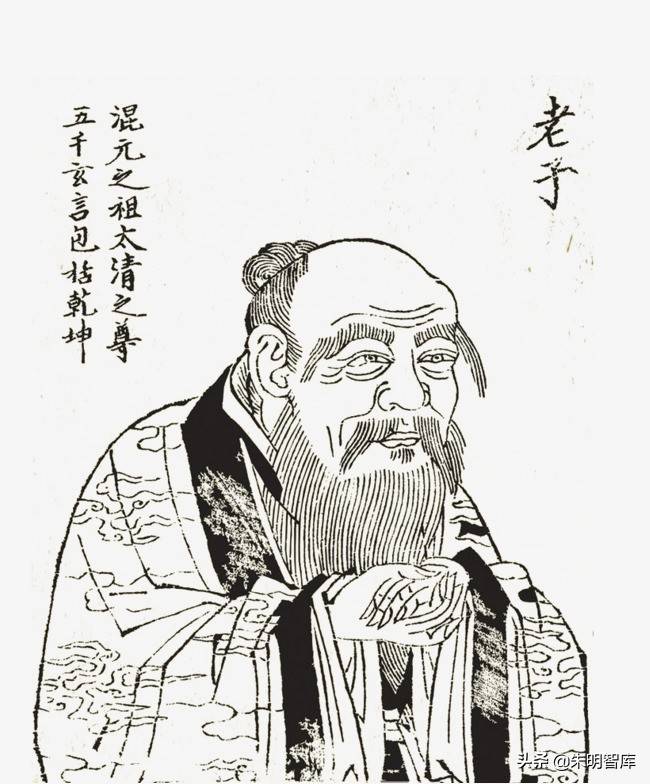 Laozi and DaoismLate Spring and Autumn
Laozi of the late Spring and Autumn period founded Daoism, holding that all things follow nature and opposites turn into each other, urged “governing by non-action,” and wrote the Tao Te Ching.