Western Han202 BC–AD 8
Western Han: Timeline of Events (202 BC–AD 8)
Capital at Chang'an; the Silk Road opens and Confucianism becomes orthodox
View on the timelineEvents in this period
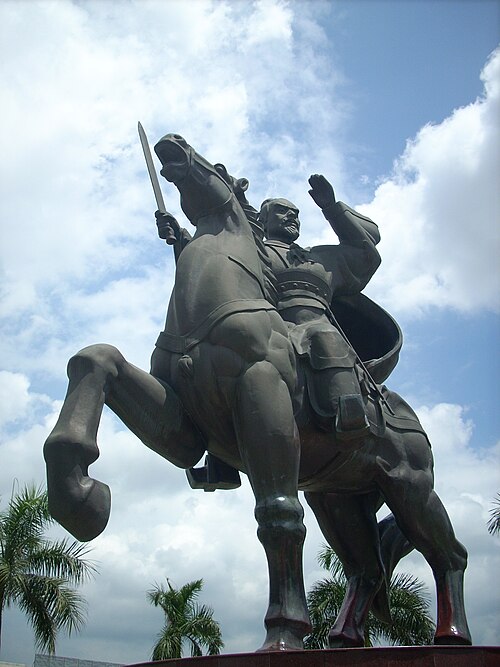 Nanyue204 BCE
Nanyue was an ancient kingdom in southern China.
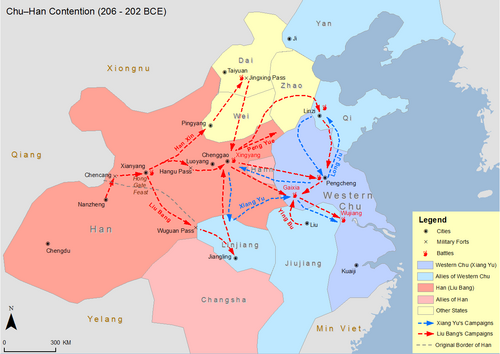 Chu–Han Contention and Founding of the Western Han206–202 BC
After Qin fell, Xiang Yu and Liu Bang fought the four-year Chu–Han contention; Liu Bang, good at using talent and winning hearts, defeated Xiang Yu at Gaixia and founded the Western Han in 202 BC.
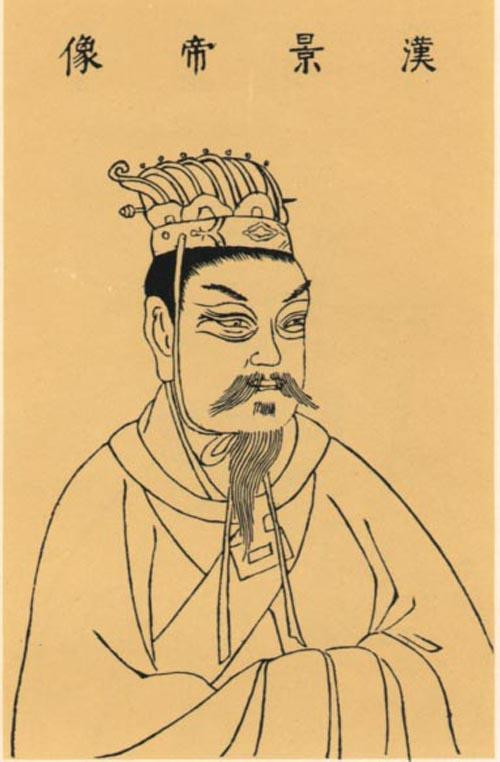 Rest and Recovery and the Rule of Wen and Jing180–141 BC
Early Western Han policy gave the people rest: Emperors Wen and Jing lowered taxes and labor, abolished mutilating punishments and promoted thrift, restoring the economy in the “Rule of Wen and Jing.”
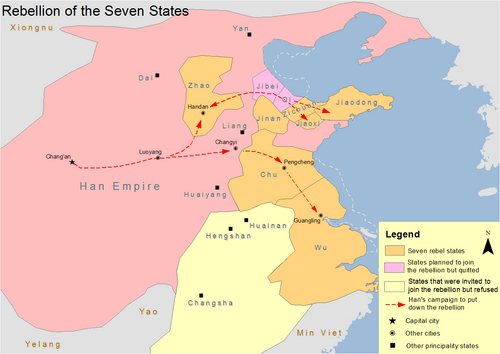 Rebellion of the Seven States154 BC
Emperor Jing cut the lords' lands on Chao Cuo's advice; in 154 BC Wu, Chu and five other states rebelled to “purge the court,” but were crushed in three months.
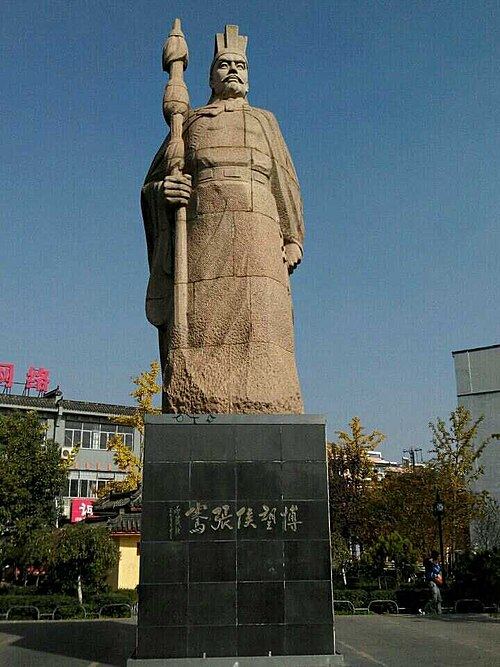 Zhang Qian Opens the Western Regions138 BC and 119 BC
In 138 BC and 119 BC Zhang Qian made two hazardous missions to the Western Regions, opening a route west from the Central Plains, a feat later praised as “boring through the void.”
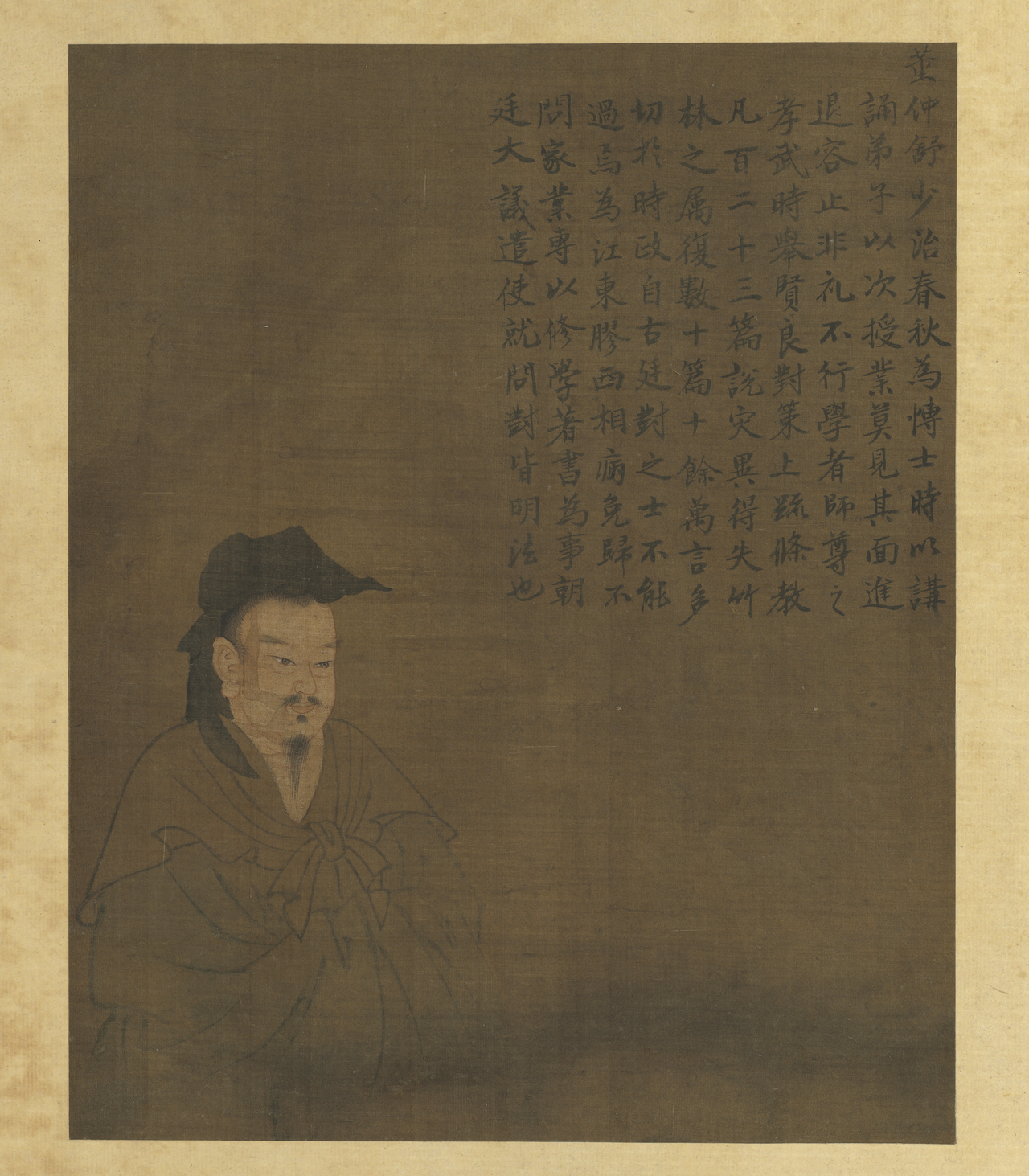 Honoring Confucianism, Dismissing Other SchoolsReign of Emperor Wu of Han
Emperor Wu took Dong Zhongshu's advice, made Confucianism the orthodox ideology, appointed Erudites of the Five Classics and founded the Imperial Academy, so Confucianism became dominant.
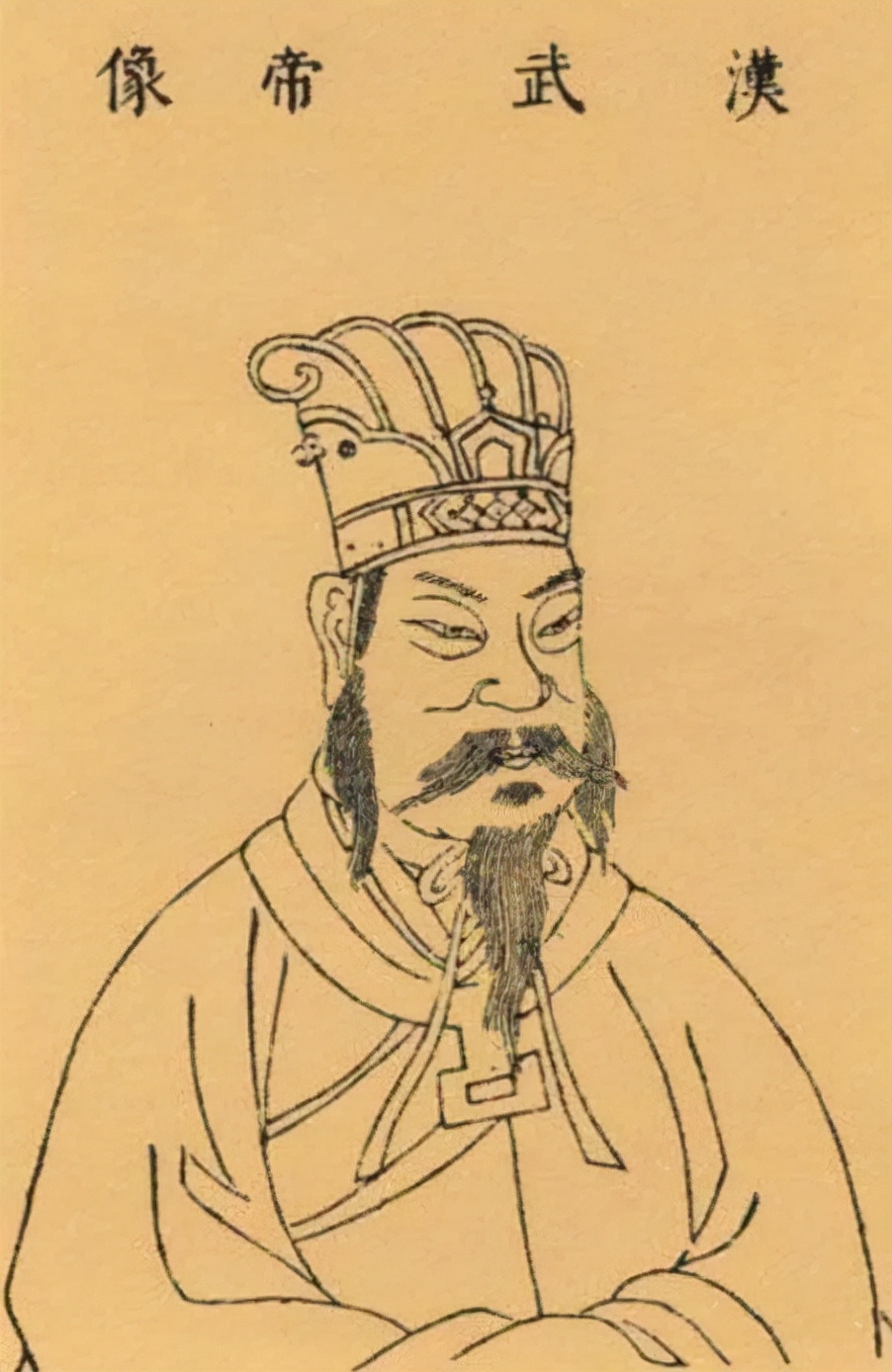 The Recommendation System Takes ShapeReign of Emperor Wu of Han
Emperor Wu made local recommendation of talent a formal system: each commandery and kingdom nominated men of good character and ability every year, who were examined and then given office.
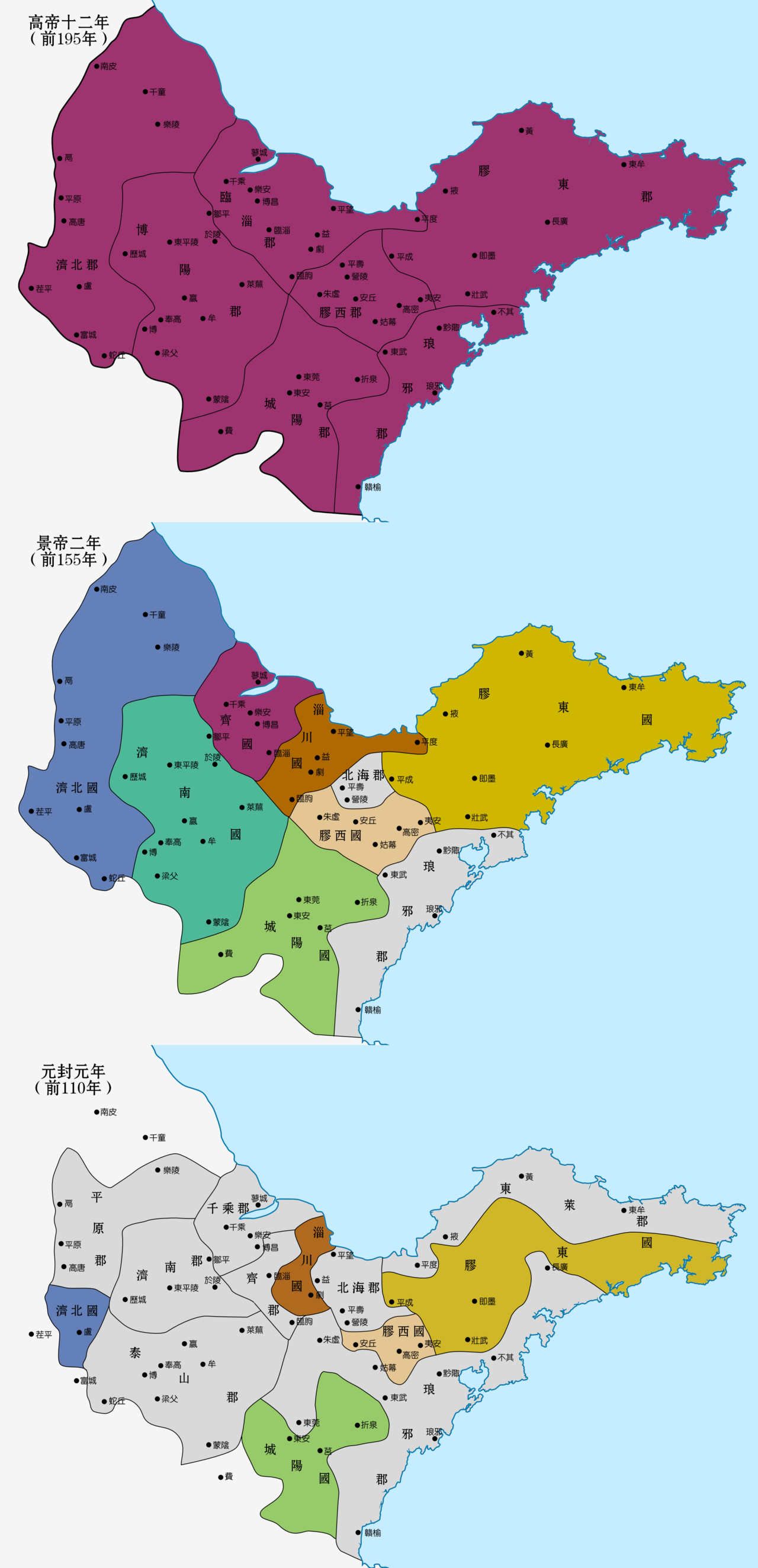 The Edict of Extending FavorsReign of Emperor Wu of Han
On Zhufu Yan's advice Emperor Wu issued the “Edict of Extending Favors,” letting feudal kings divide their lands among their sons as marquisates, so kingdoms shrank and central power grew.
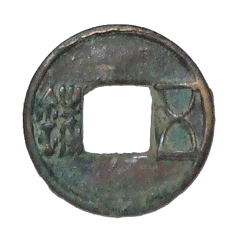 State Salt and Iron Monopolies and the Wuzhu CoinReign of Emperor Wu of Han
Emperor Wu centralized coinage under the court with the standard wuzhu coin and introduced state salt and iron monopolies and price equalization, improving finances and tightening economic control.
 Campaigns Against the Xiongnu (Battle of Mobei)119 BC
Emperor Wu sent Wei Qing and Huo Qubing on repeated campaigns; the Battle of Mobei in 119 BC crushed the Xiongnu main force, leaving “no royal court south of the desert” and securing the frontier.
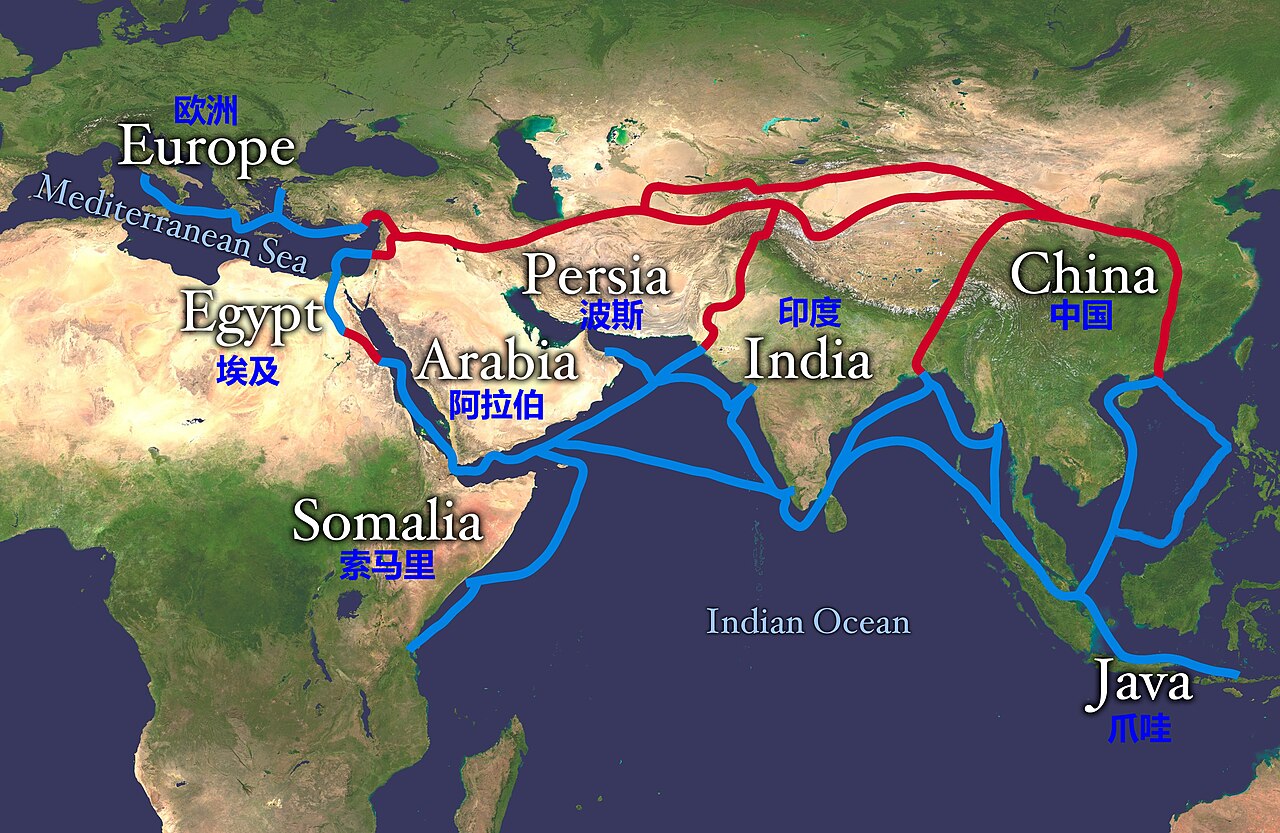 The Silk Road and the Maritime Silk RoadWestern Han
After Zhang Qian opened the Western Regions, the overland Silk Road linked Eurasia; Emperor Wu also opened sea routes, forming the Maritime Silk Road and fostering East–West exchange.
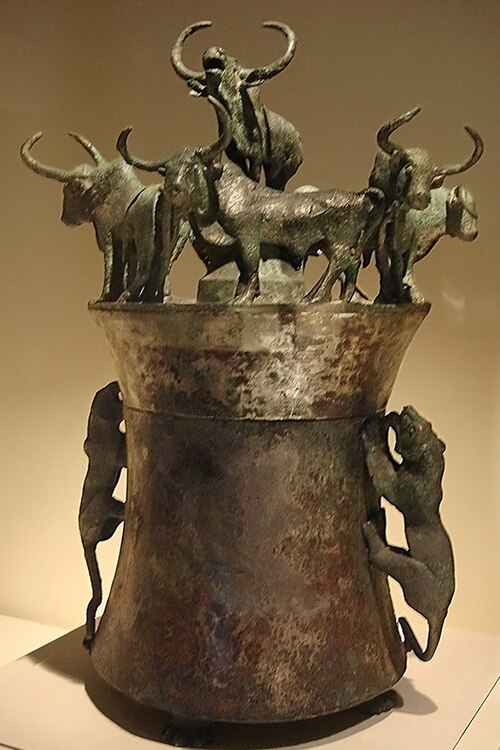 Dian Kingdom109 BCE
Dian was an ancient kingdom centered on Lake Dian.
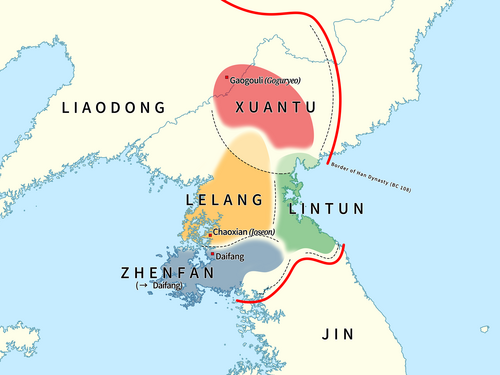 Four Commanderies of Han108 BCE
Han China established four commanderies in northern Korea.
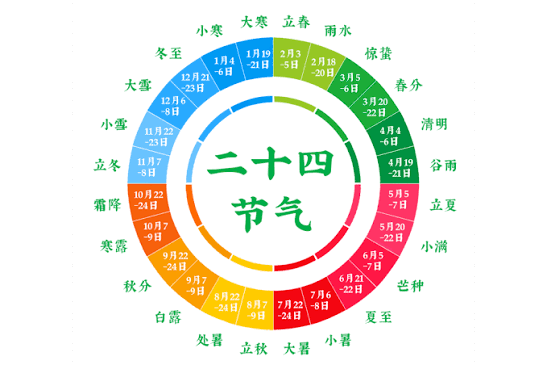 The Taichu Calendar and the 24 Solar Terms104 BC
In 104 BC Emperor Wu issued the Taichu Calendar, which began the year in the first month and was the first to formally include the 24 solar terms, an influence lasting to this day.
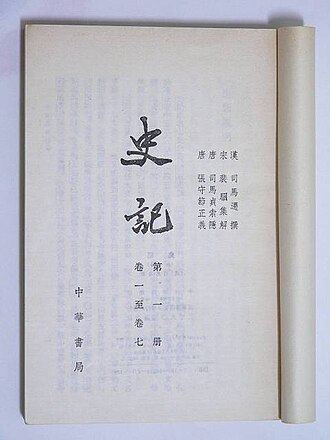 Sima Qian Writes Records of the Grand Historianc. 91 BC
Sima Qian endured disgrace to write Records of the Grand Historian, covering some 3,000 years from the Yellow Emperor to Emperor Wu, China's first universal history in biographical form.
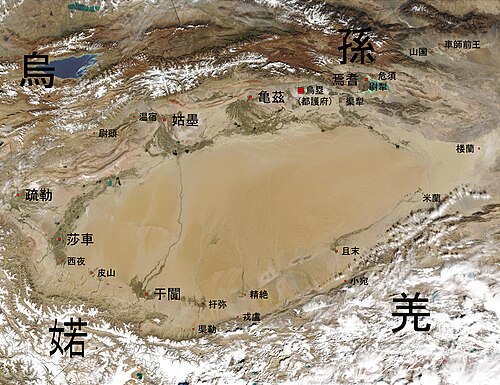 Protector General of the Western Regions Set Up60 BC
In 60 BC the Western Han created the Protector General of the Western Regions, seated at Wulei, to oversee the states there, marking the formal incorporation of today's Xinjiang under central rule.