Northern SongAD 960–1127
Northern Song: Timeline of Events (AD 960–1127)
Civil rule over military; a highly developed economy and culture
View on the timelineEvents in this period
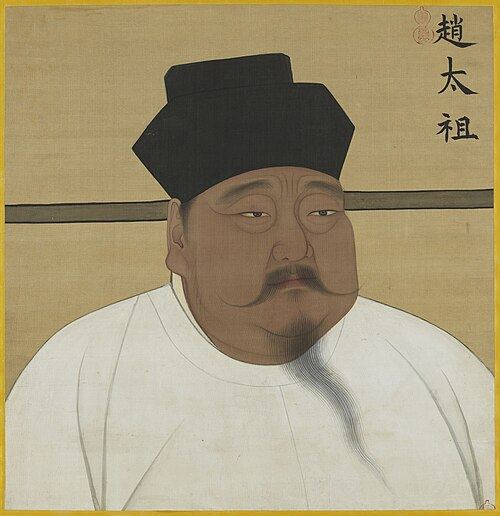 Chenqiao Mutiny and Founding of Northern Song960
In 960 Zhao Kuangyin, commander of the Later Zhou imperial guard, was acclaimed emperor at Chenqiao Station in the “Yellow Robe” mutiny. He returned to Kaifeng and founded the Northern Song.
 Releasing Military Power Over Wine; CentralizationReign of Emperor Taizu of Song
Emperor Taizu removed his generals' commands through the “wine cup” banquet, split the chancellor's powers, sent civil officials to govern prefectures and took finances for the center.
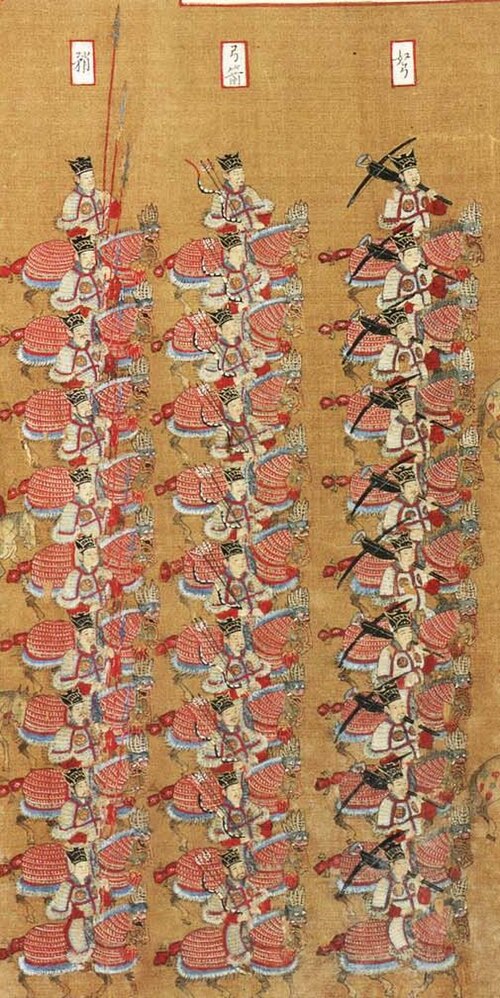
 Civil Over Military Rule and the ExaminationsEarly Northern Song
Song relied on civil officials and curbed generals, so civil officials commanded armies. It greatly expanded examination admissions and perfected the palace examination, name-sealing and copying.
 Song Porcelain and JingdezhenFrom the Jingde era of Northern Song
Song was a brilliant age for porcelain, with the five famous kilns, Ru, Guan, Ge, Jun and Ding, known worldwide. Jingdezhen, which rose in the Jingde era, later became the “Porcelain Capital”.
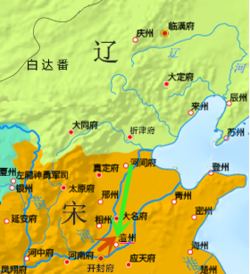 Treaty of Chanyuan1005
In 1004 Liao troops marched south to Chanzhou, and Emperor Zhenzong, urged by Kou Zhun, campaigned in person. In 1005 Song and Liao made peace, Song paying annual tribute, bringing a century of peace.
 Champa Rice and the Growth of Song AgricultureNorthern Song
Early-ripening, drought-tolerant Champa rice, introduced from Vietnam, spread across the Yangtze–Huai region. Southern farming grew fast: “When Suzhou and Huzhou have a harvest, the world has enough”.
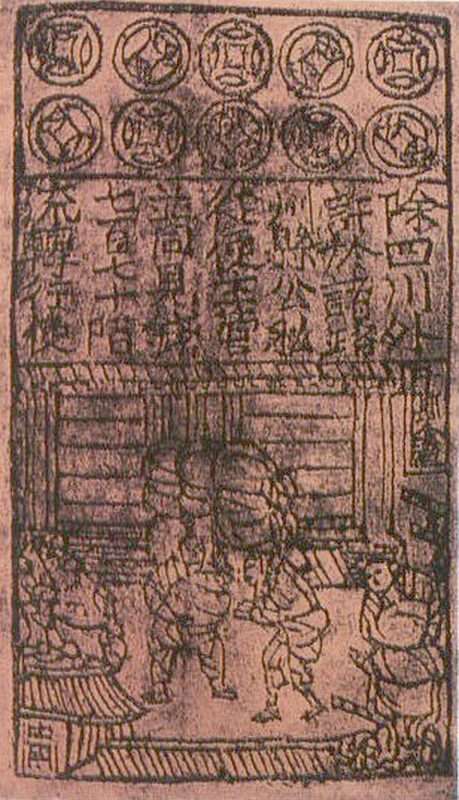 Jiaozi, the World's Earliest Paper MoneyEarly Northern Song
Jiaozi appeared in Sichuan in early Northern Song, and in 1023 the court set up an office to issue official jiaozi, the world’s earliest paper money, later used alongside copper coins.
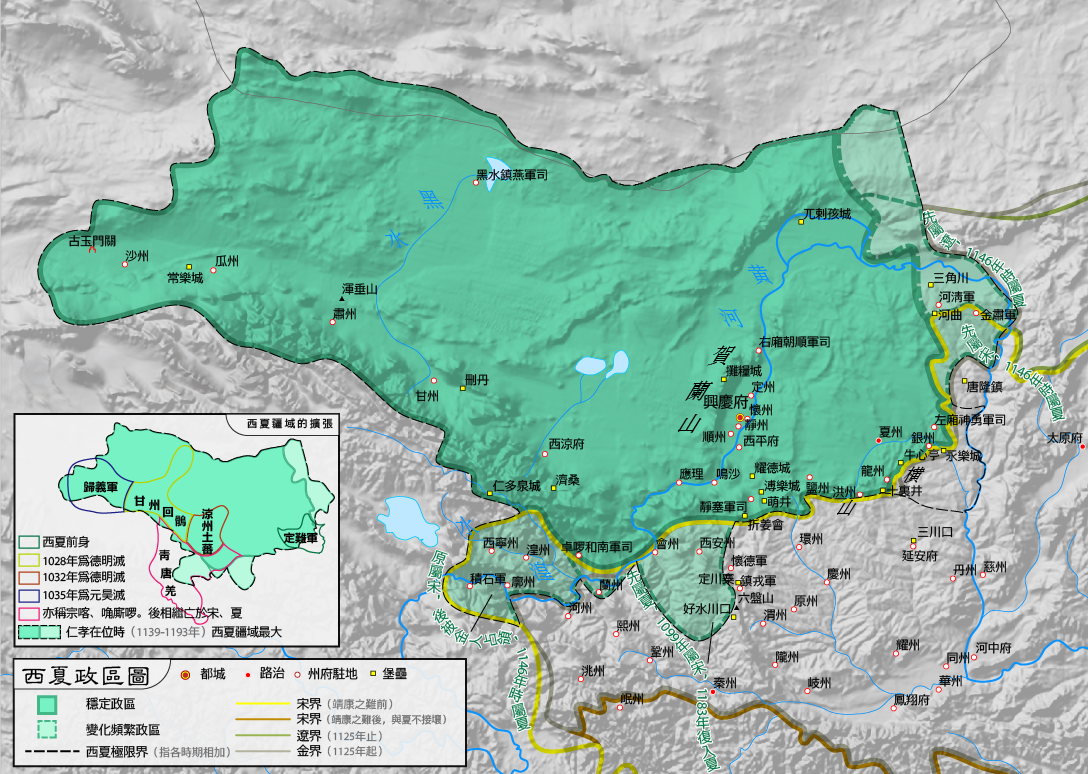 Yuanhao Founds Western XiaEarly 11th century
In 1038 the Tangut leader Yuanhao took the imperial title and named the state Great Xia, with its capital at Xingqing (present-day Yinchuan), known as Western Xia. He modeled it on Tang and Song.
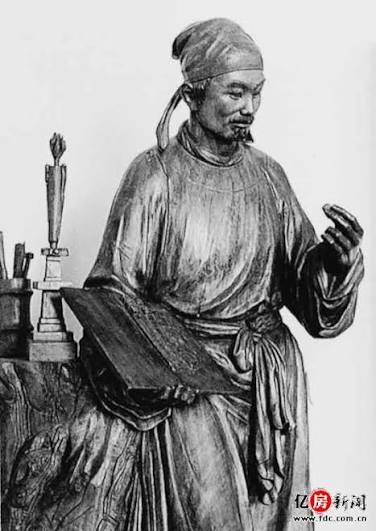 Bi Sheng Invents Movable-Type PrintingMid-11th century
In the Qingli era the commoner Bi Sheng invented clay movable-type printing, one character per piece, reusable and far more efficient. It is one of China’s Four Great Inventions.
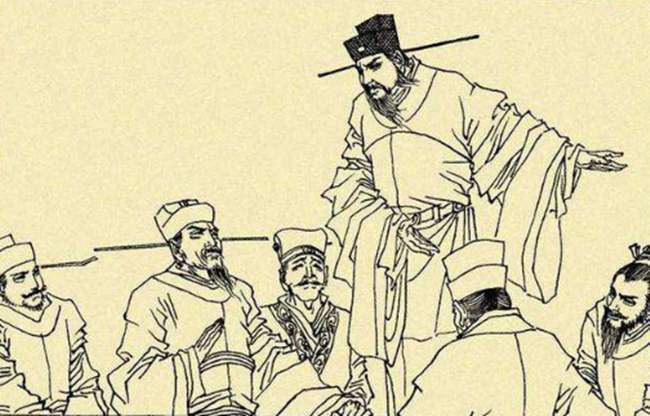 Fan Zhongyan and the Qingli Reforms1043
In 1043 Fan Zhongyan, backed by Emperor Renzong, launched the Qingli Reforms for cleaner officialdom and stronger defense. They lasted barely a year but began Northern Song’s reform tradition.
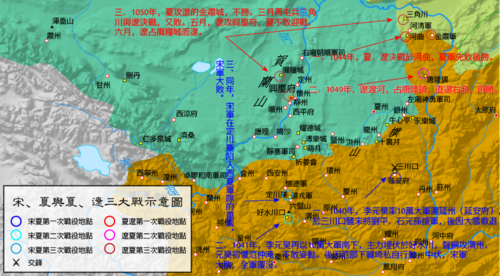 Song–Xia Peace TreatyMid-11th century
After Western Xia's founding, Song and Xia fought repeatedly; Song armies often lost and Xia was badly drained. In 1044 they made peace, Yuanhao submitting to Song and border trade resuming.
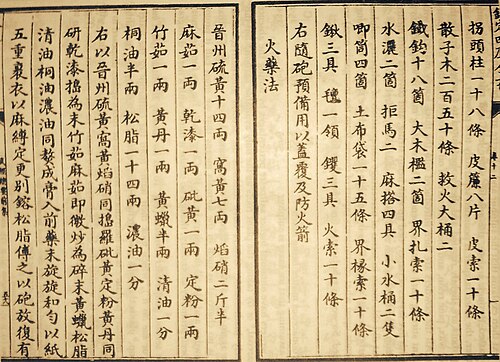 Wujing Zongyao1044
Wujing Zongyao compiled military knowledge in Song China.
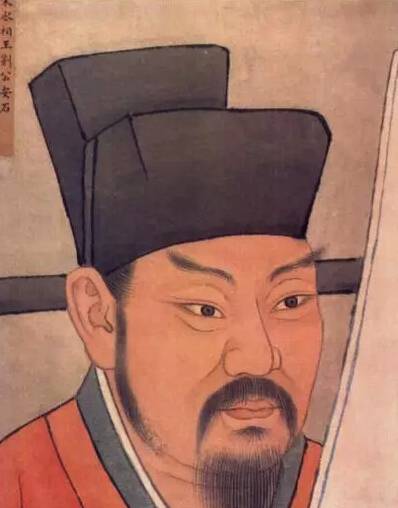 Wang Anshi's Reforms1069
In 1069 Emperor Shenzong appointed Wang Anshi to carry out reforms, including the Green Sprouts Law, Service Exemption Law and Baojia Law. They raised revenue but met fierce conservative opposition.
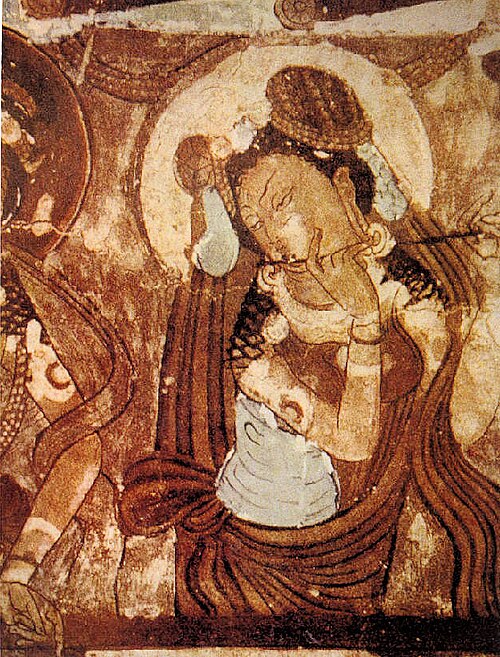 Song Ci Poetry (Su Shi, Li Qingzhao, Xin Qiji)Northern and Southern Song
Ci, a new poetic form with lines of varying length suited to singing, became the main literary form of Song, with Su Shi, Li Qingzhao and Xin Qiji as outstanding masters.
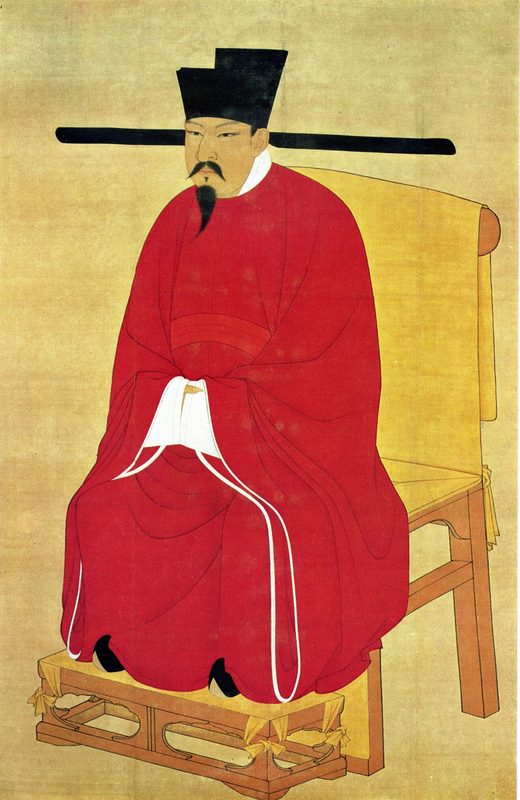 Sima Guang Completes the Zizhi TongjianNorthern Song
Compiled under Sima Guang over 19 years, the Zizhi Tongjian records 1,362 years from the Warring States to the Five Dynasties and is China's first great general history in chronicle form.
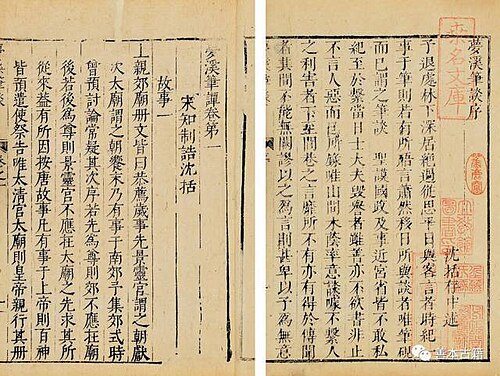 Shen Kuo and the Dream Pool EssaysNorthern Song
The Northern Song scientist Shen Kuo wrote the Dream Pool Essays late in life, recording movable-type printing, magnetic declination and petroleum, a “milestone in the history of Chinese science”.
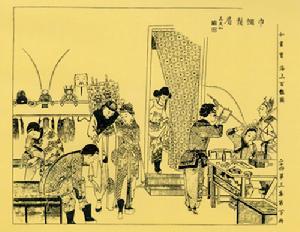 Entertainment Quarters and Urban CultureNorthern and Southern Song
Song cities developed entertainment districts called “wazi”, with “goulan” stages for variety plays, storytelling and acrobatics, and an urban culture of unprecedented richness.
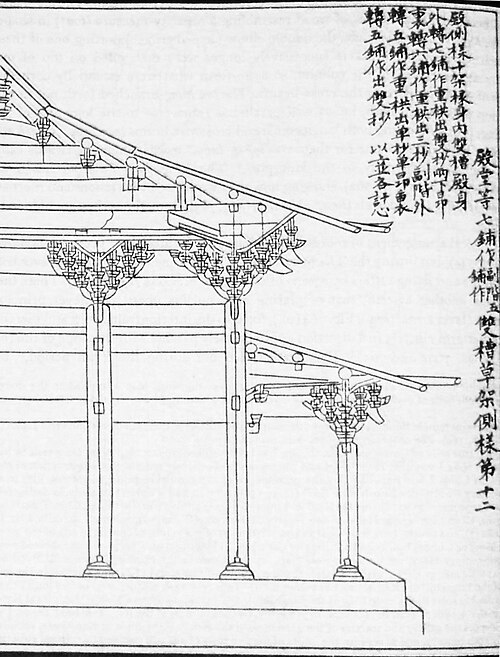 Yingzao Fashi1103
Yingzao Fashi set standards for traditional building work.
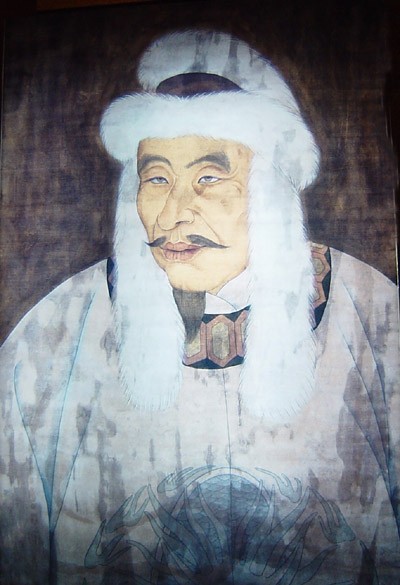 Aguda Founds the Jin Dynasty1115
The Jurchen Wanyan tribe leader Aguda unified the Jurchen tribes, rose against Liao in 1114 and founded the Jin dynasty in 1115 with its capital at Huining, as Emperor Taizu of Jin.
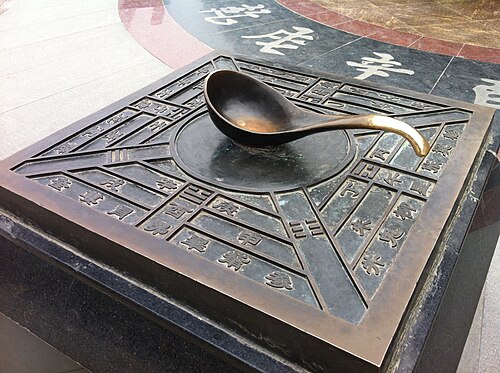 The Compass Used in NavigationLate Northern Song
Song made compasses with artificially magnetized needles, used in navigation by late Northern Song, giving reliable guidance on ocean voyages and later reaching Europe through the Arabs.
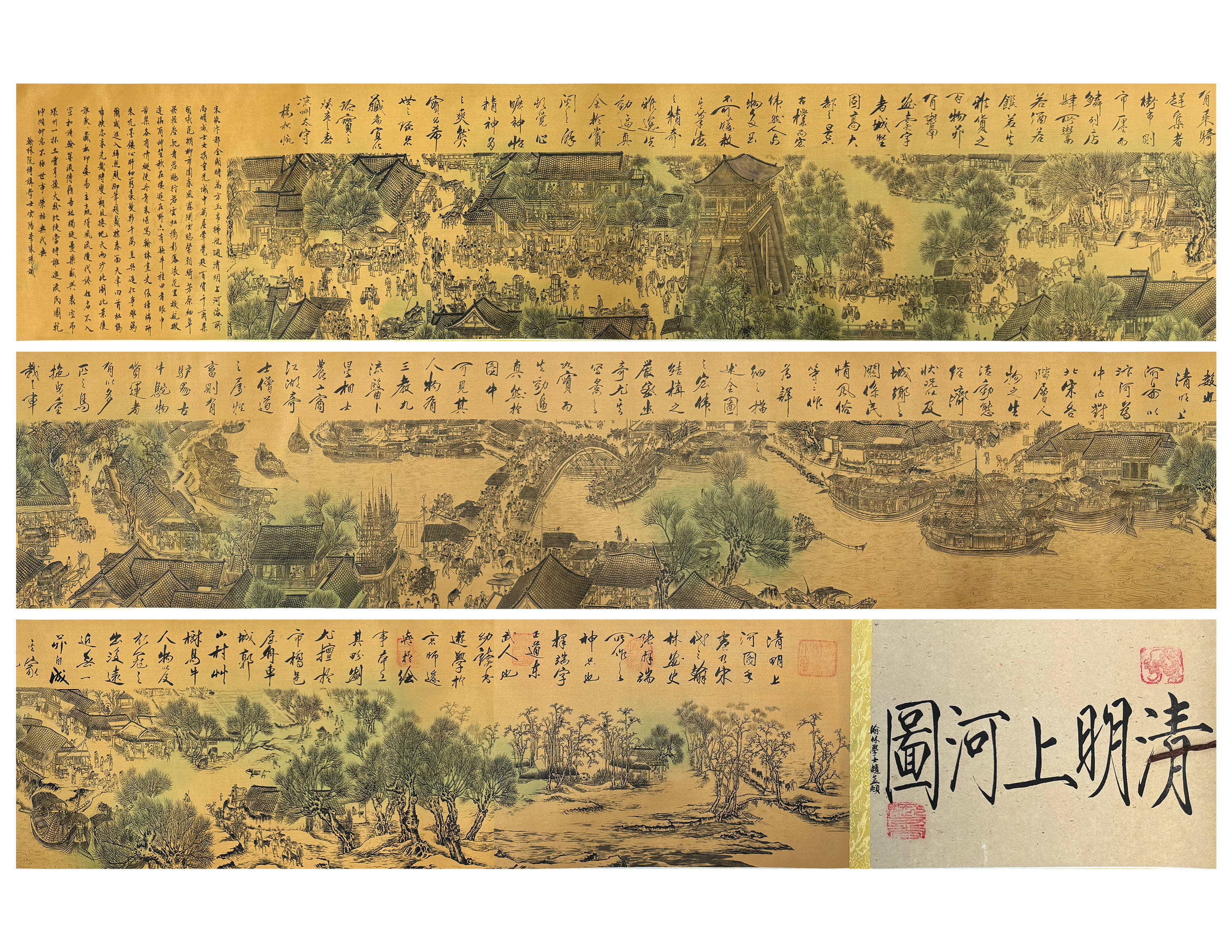 Qingming Scroll and Song CommerceLate Northern Song
Zhang Zeduan's Along the River During the Qingming Festival depicts the bustle along the Bian River in the capital Dongjing and reflects Song urban commerce, free of the old ward-and-market limits.
 Jin Destroys Liao1125
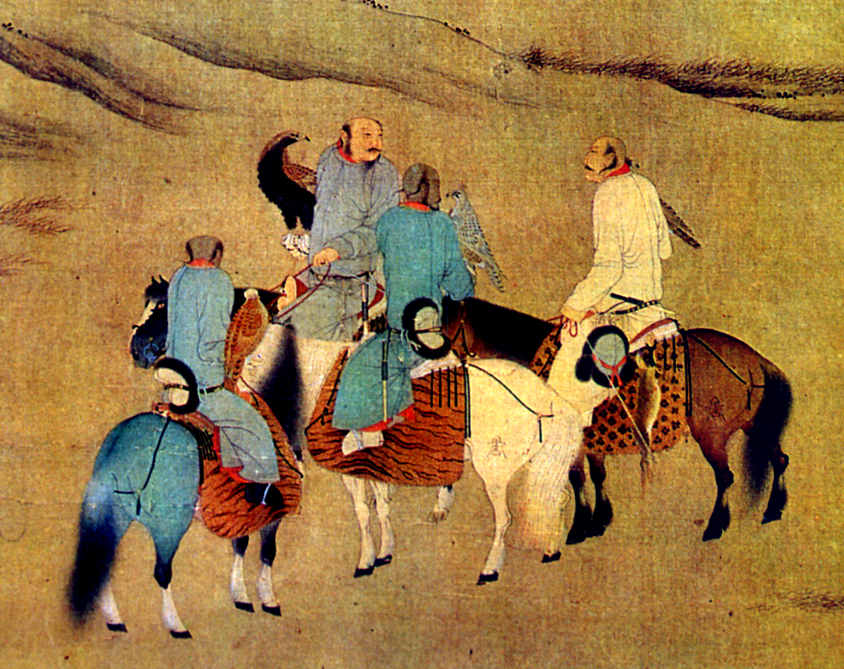
Northern Song and Jin allied against Liao in the “Alliance Concluded at Sea”. Song armies lost repeatedly while Jin took Liao's five capitals, and in 1125 Emperor Tianzuo was captured and Liao fell.