TangAD 618–907
Tang: Timeline of Events (AD 618–907)
A powerful, open dynasty of flourishing culture
View on the timelineEvents in this period
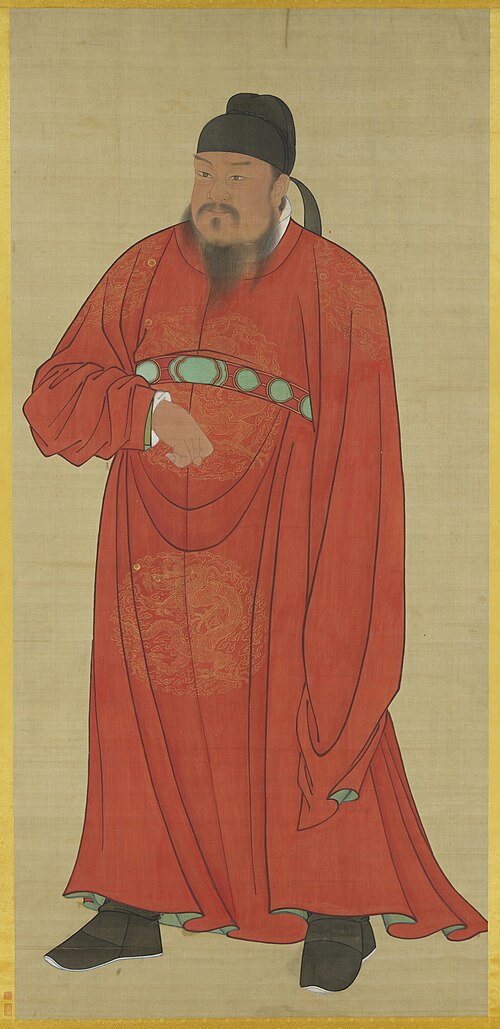 Fall of the Sui and Founding of the TangAD 618
Emperor Yang of Sui's extravagance and overuse of labor sparked peasant uprisings; in AD 618 he was killed and Li Yuan took the throne at Chang'an, founding the Tang.
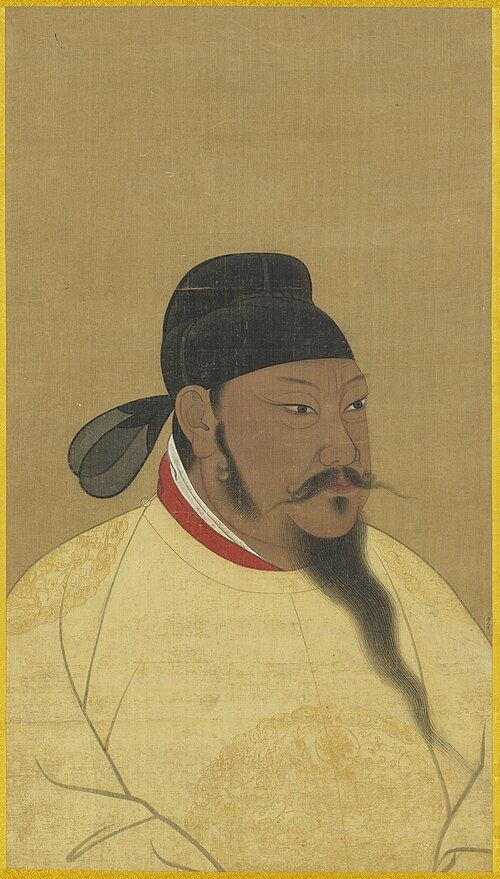 Xuanwu Gate Incident626
In 626 Li Shimin, Prince of Qin, staged a coup at Xuanwu Gate in Chang'an, killing the crown prince and the Prince of Qi. He soon took the throne as Emperor Taizong of Tang.
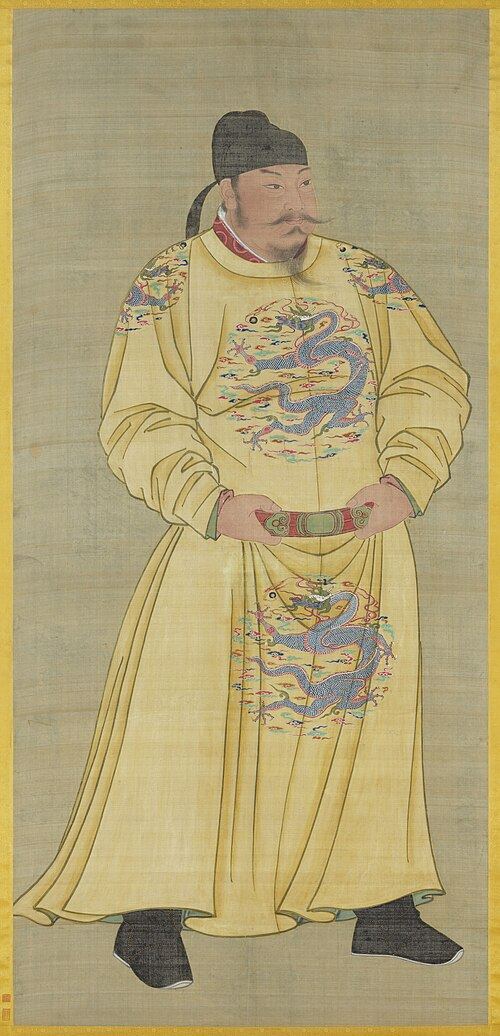 Rule of Zhenguan627–649
Emperor Taizong of Tang learned from the fall of the Sui, took advice, chose able officials, lightened burdens and perfected institutions. His reign brought clean government and recovery.
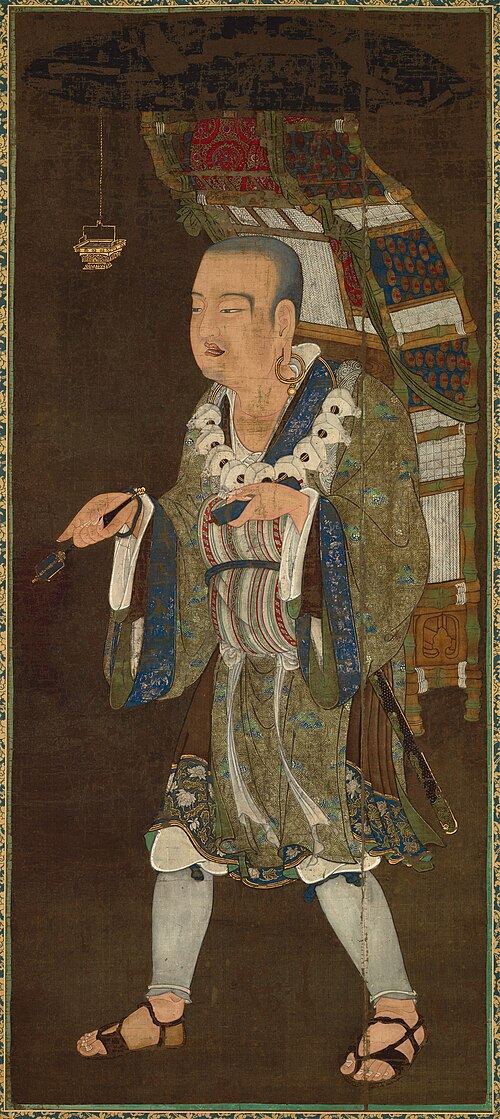 Xuanzang's Journey to the West627–645
The early Tang monk Xuanzang traveled to India for Buddhist scriptures and studied at Nalanda. In 645 he returned to Chang'an with 657 texts and dictated the Great Tang Records on the Western Regions.
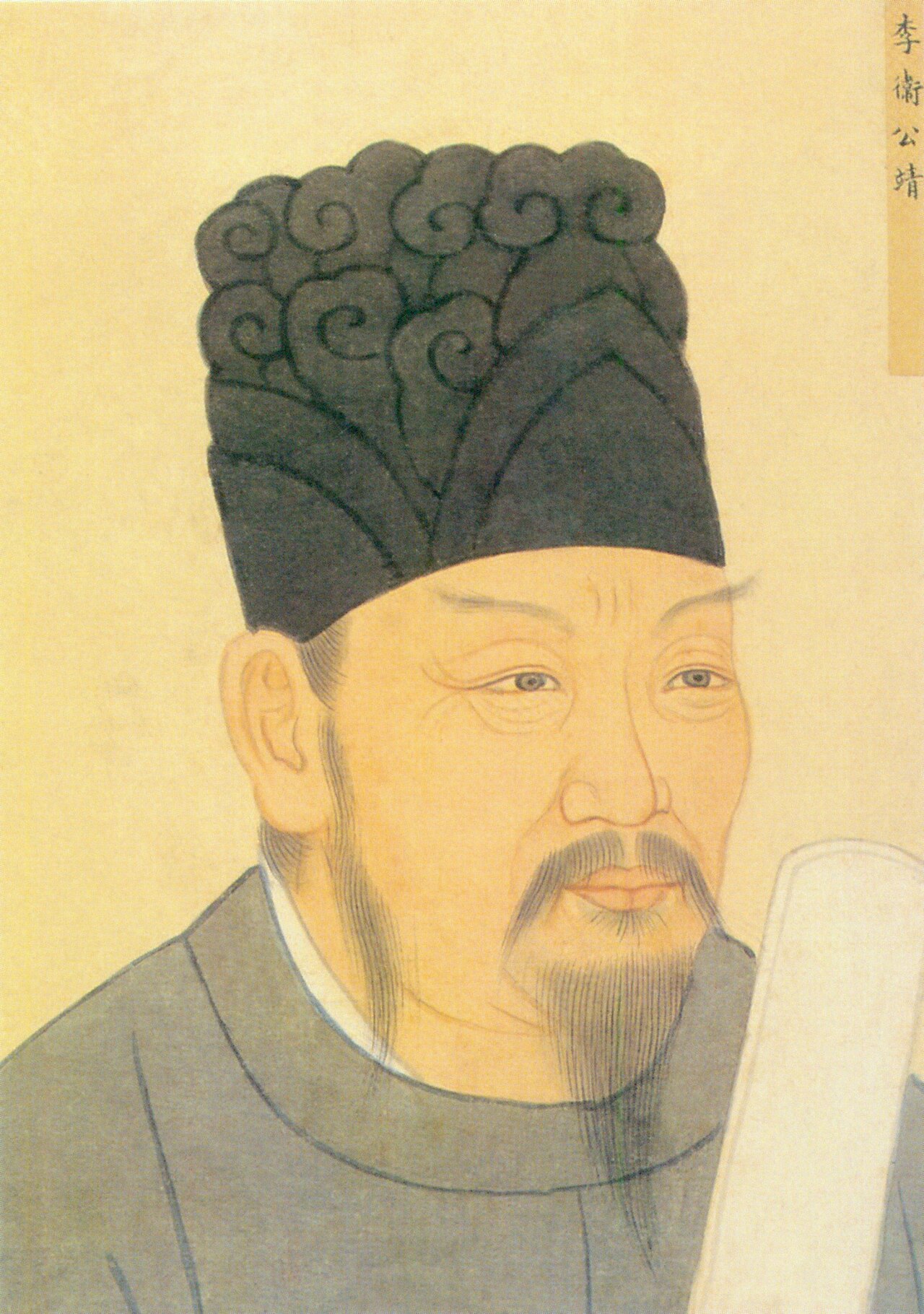 Taizong Defeats the Turks, Named “Heavenly Khan”Zhenguan era
Emperor Taizong sent Li Jing and others to defeat the Eastern Turks and capture Illig Khan. Northern and northwestern leaders honored him as “Heavenly Khan”, reflecting Tang's open ethnic policy.
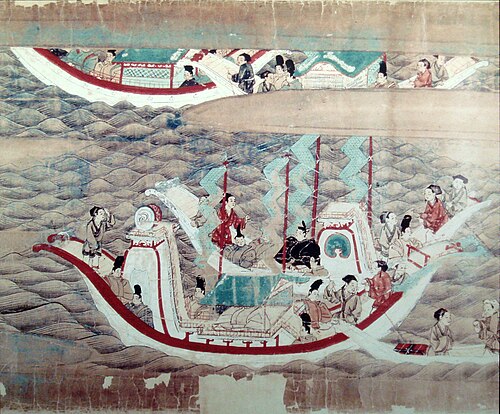 Japan Sends Embassies to TangTang dynasty
Japan sent a dozen or so embassies to Tang China to study its institutions and culture. Abe no Nakamaro, Kibi no Makibi and others contributed greatly to Sino-Japanese exchange.
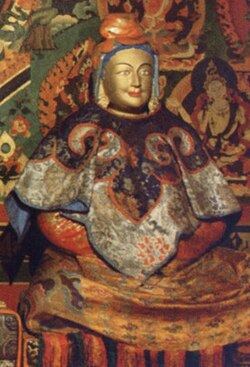 Princess Wencheng Enters Tibet641
In 641 Emperor Taizong married Princess Wencheng to the Tubo king Songtsen Gampo. She took seeds, books and craftsmen, aiding Tubo's economy and culture and Han–Tibetan friendship.
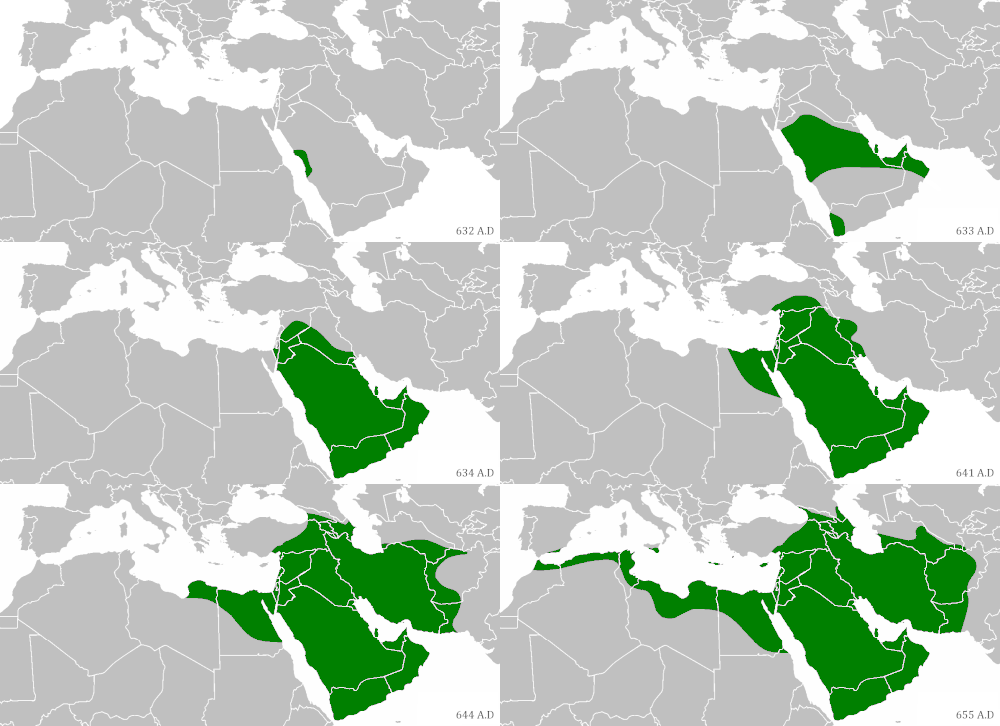 Friendly Exchanges Between Tang and the ArabsTang dynasty
During Tang, the Arab Caliphate (Dashi) sent envoys over forty times, its merchants traded in China by land and sea, and Chinese papermaking spread west through the Arab world.
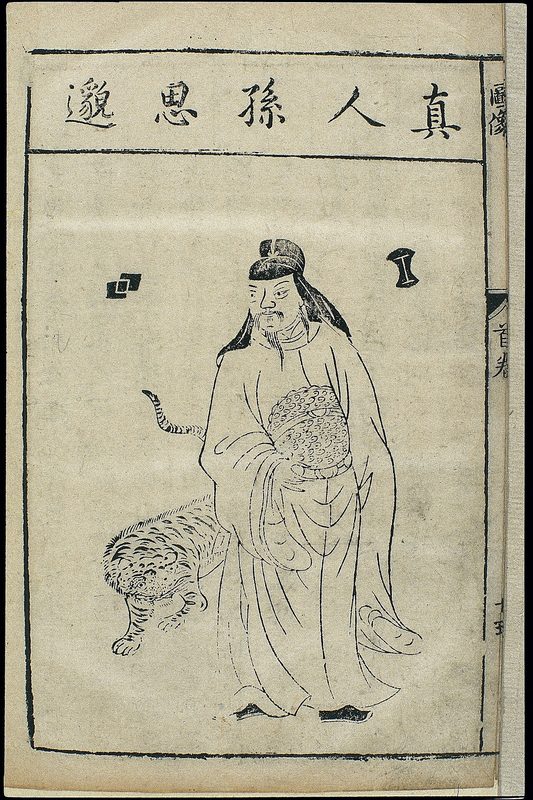 Sun Simiao and Prescriptions Worth a Thousand GoldTang dynasty
The Tang physician Sun Simiao wrote Essential Prescriptions Worth a Thousand Gold and its supplement, with many prescriptions and teachings on medical ethics. He is honored as the “King of Medicine”.
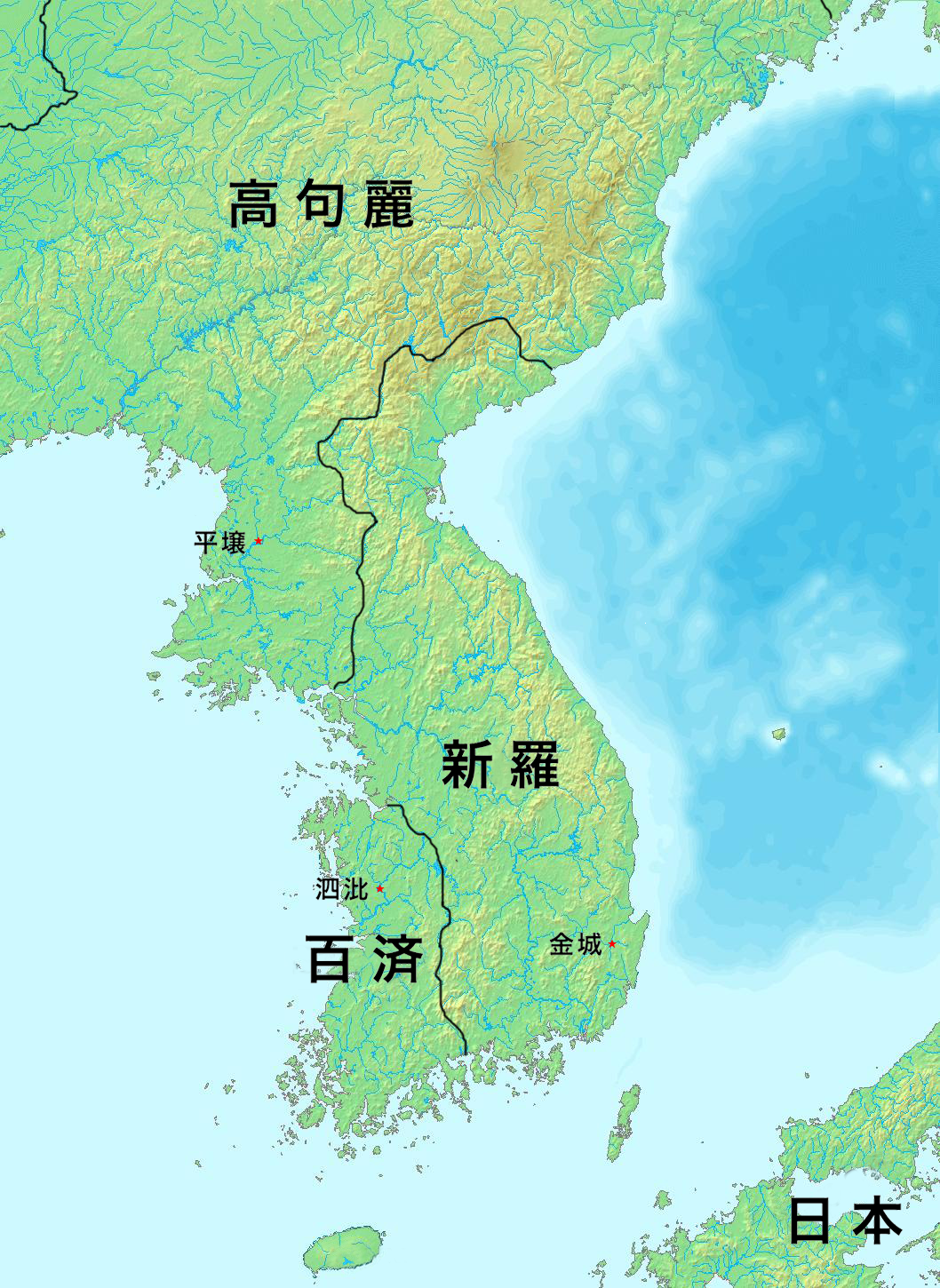 Tang and Silla ExchangesSui and Tang
After Silla unified most of the Korean Peninsula it kept close ties with Tang, sent many students, and modeled its institutions on Tang's. Choe Chiwon and others became envoys of Sino-Korean culture.
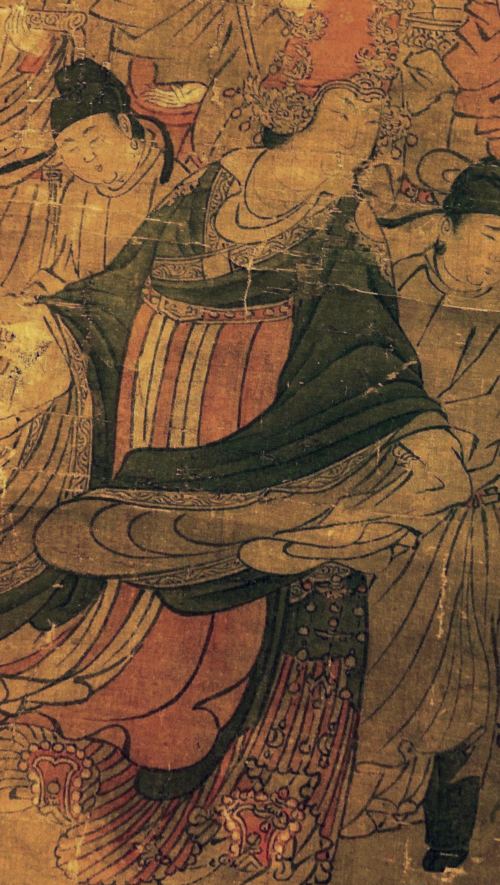 Wu Zetian Proclaims Herself Emperor690
In 690 Wu Zetian renamed the dynasty Zhou and became emperor, the only woman to rule China as emperor. She promoted the examination system and agriculture, bridging the Zhenguan and Kaiyuan eras.
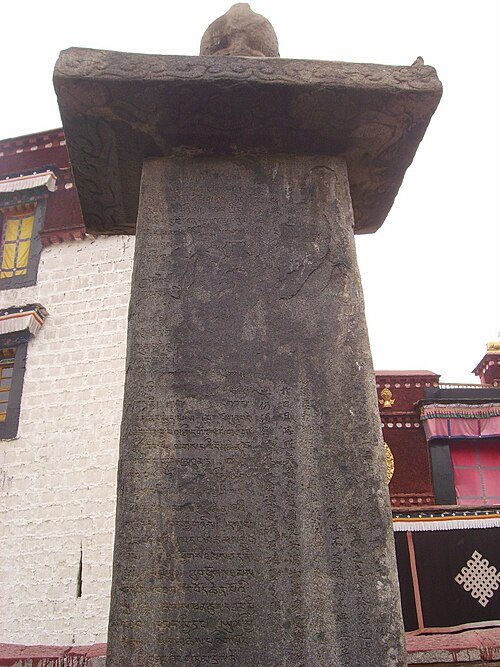 Princess Jincheng and the Tang–Tubo Treaties710, 821–824
In 710 Princess Jincheng married the Tubo king Tride Tsugtsen, and Tang and Tubo called each other “uncle and nephew”. In 821–823 they swore a treaty, with a stele erected before the Jokhang.
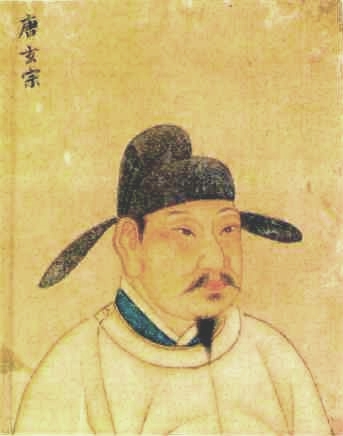 Kaiyuan Golden Age713–741
In his early reign Emperor Xuanzong used able chancellors like Yao Chong and Song Jing, reformed officialdom and developed the economy. Tang reached its height, the “Kaiyuan Golden Age”.
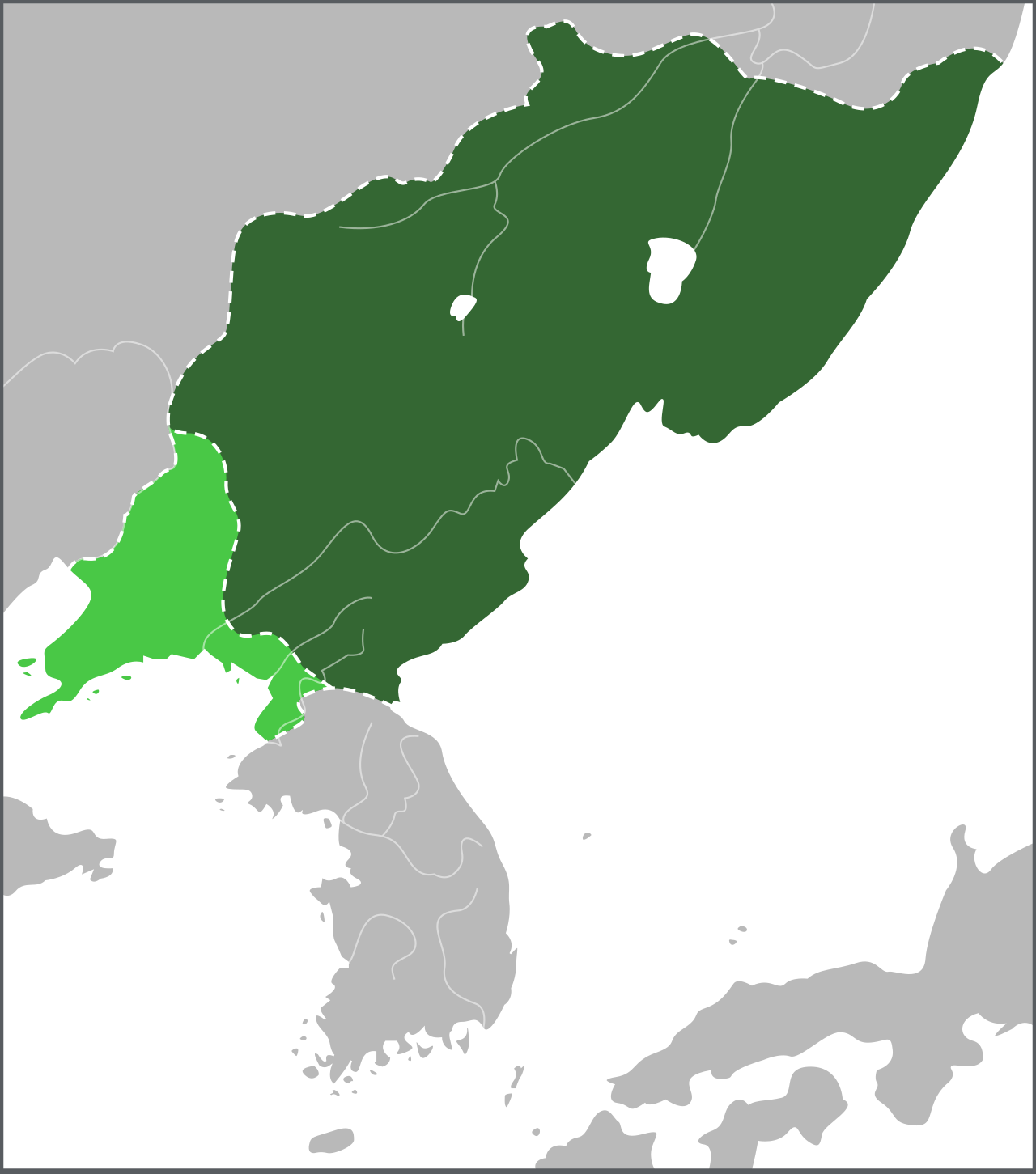 Bohai Kingdom, the “Flourishing State of the East”Late 7th–8th century
In the late 7th century the Sumo Mohe leader Dae Joyoung founded a regime, made Prince of Bohai by Tang in 713. Modeled on Tang, Bohai prospered and was called the “Flourishing State of the East”.
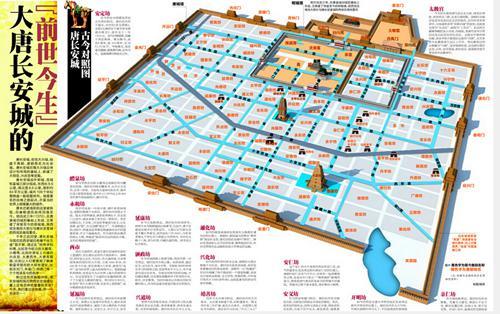 Prosperity of High Tang and the City of Chang'anEarly Tang
In early Tang the curved-shaft plow and noria spread, farming and crafts thrived, and commerce flourished. Chang'an, vast in scale, was one of the world's largest cosmopolitan cities.
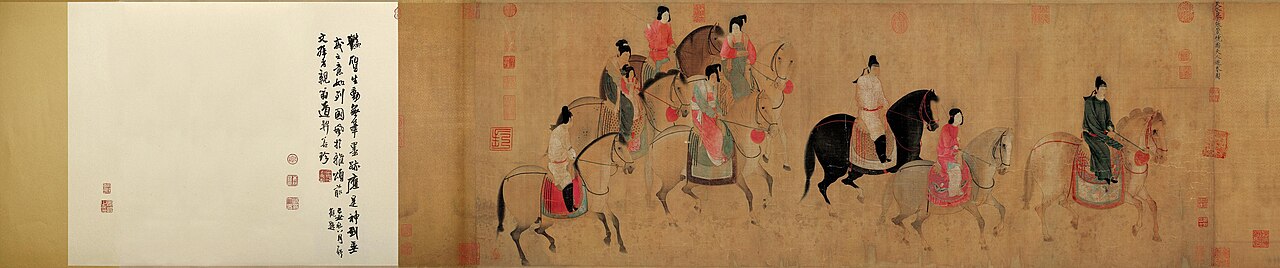 Open Social Customs of TangTang dynasty
Tang society was open and inclusive: women rode horses, played polo and wore “Hu” dress, foreign food and music were popular, and people had an energetic, upbeat spirit.
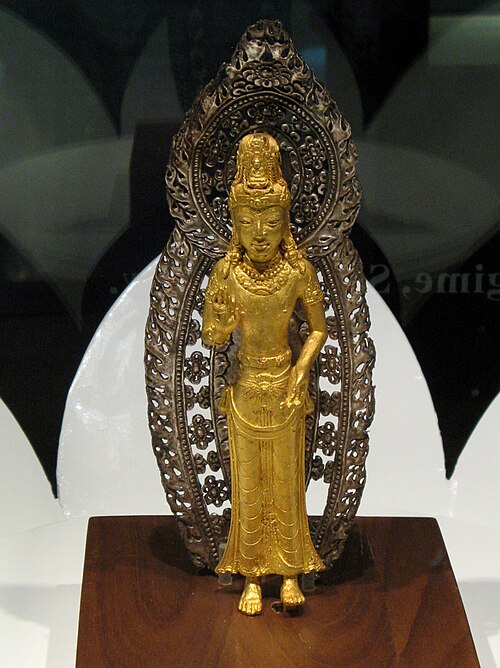 Nanzhao738
Nanzhao was a kingdom in southwest China.
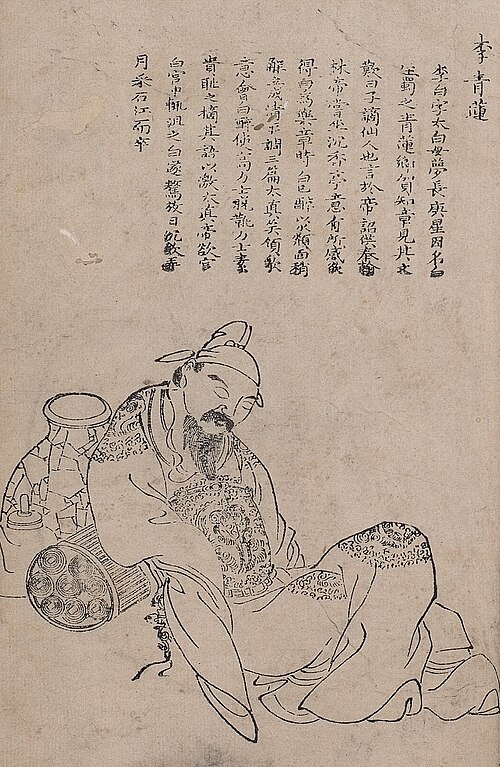 Golden Age of Tang Poetry (Li Bai, Du Fu, Bai Juyi)Tang dynasty
Tang was the golden age of poetry: the Complete Tang Poems holds nearly 50,000 poems, and Li Bai, Du Fu and Bai Juyi are its greatest figures.
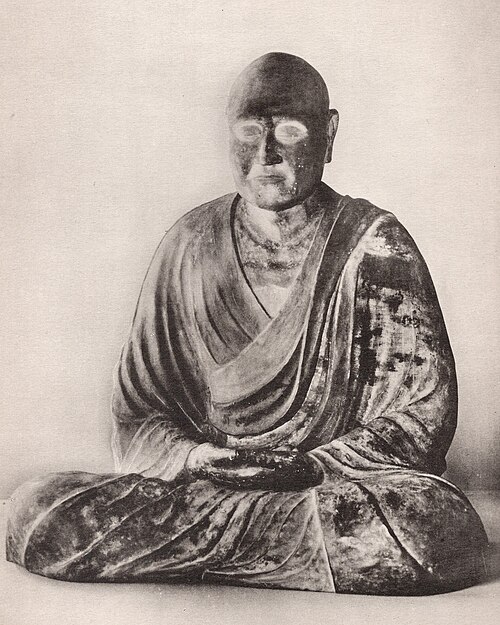 Jianzhen's Voyage to Japan754
Jianzhen, a senior monk of Yangzhou, accepted an invitation to Japan. After six attempts over twelve years, and blindness, he reached Japan in 754 and spread Buddhism and Chinese culture.
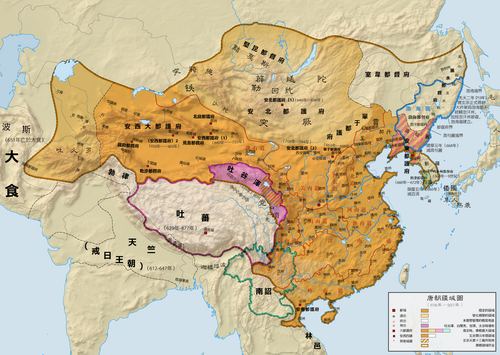 An Lushan Rebellion755–763
In 755 the military governors An Lushan and Shi Siming rebelled and took Luoyang and Chang'an. It took over seven years to suppress, and Tang went from prosperity into decline.
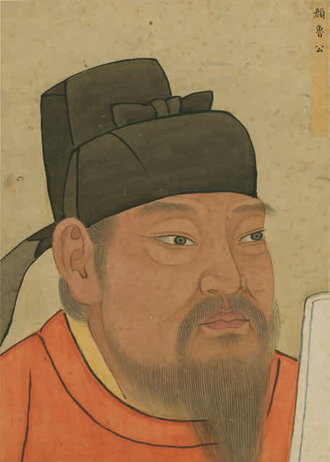 Tang Calligraphy and PaintingTang dynasty
Tang calligraphy produced many masters, including Yan Zhenqing, Liu Gongquan and Ouyang Xun; in painting Yan Liben and Wu Daozi stood out, and Wu Daozi was honored as the “Sage of Painting”.
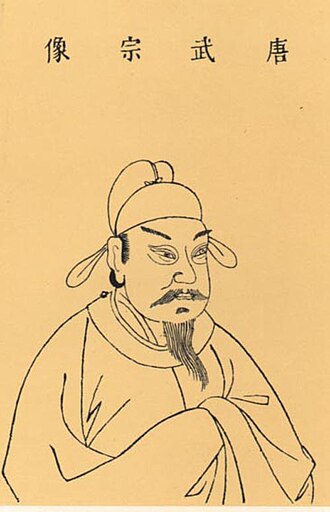 Huichang persecution of Buddhism845
Emperor Wuzong curtailed Buddhism during the Huichang era.
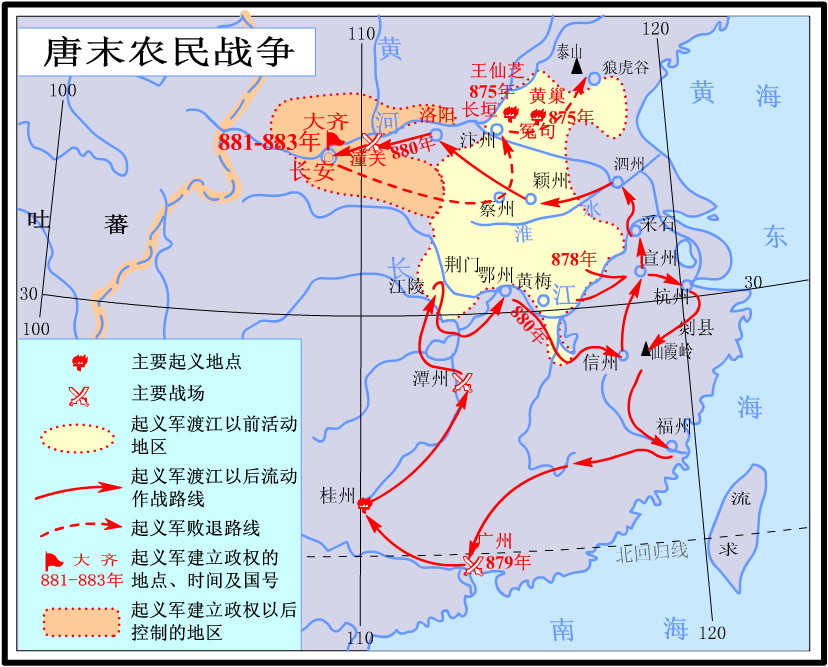 Huang Chao UprisingLate Tang
In late Tang heavy burdens and repeated famine led to the Wang Xianzhi and Huang Chao uprising of 875. In 880 Huang Chao took Chang'an and founded the Great Qi, dealing Tang a fatal blow.