TangAD 618–907
Huichang persecution of Buddhism
845
Emperor Wuzong curtailed Buddhism during the Huichang era.
View on the timeline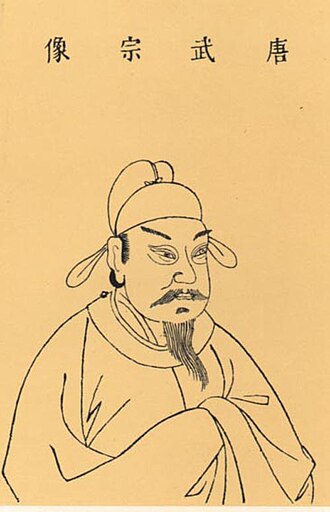
Image: Wang Qi · Public domain · Original
The Huichang persecution refers to restrictions on Buddhism and other foreign religions under Emperor Wuzong of Tang, especially the measures of 842–845. Buddhist institutions attracted attention because monasteries held land and laborers who could be exempt from ordinary taxation and service; fiscal concerns, court politics, and the emperor’s support for Daoism also shaped policy. In 845 the campaign reached its height: many monks and nuns were ordered to return to lay life, monasteries were closed, and temple property and metal images were confiscated. The court also restricted Zoroastrian, Christian, and other foreign religious communities. Implementation varied by region, and no single motive explains every measure. After Wuzong’s death, Emperor Xuanzong permitted Buddhist institutions to recover, though rebuilding took time and losses to personnel, property, and texts had lasting effects. The episode is often grouped with other anti-Buddhist campaigns as one of the “Three Wu and One Zong” persecutions, but its political and fiscal context was specific to the ninth century. Figures reported in historical sources are difficult to verify, and the actual scale of local destruction remains uncertain.
References
Text and images from Wikipedia are used under CC BY-SA and their respective licenses