Republic of ChinaAD 1912–1949
Cai Yuanpei at Peking University
1917
In 1917 Cai Yuanpei became president of Peking University, advocating “freedom of thought and tolerance of all views” and hiring Chen Duxiu, Hu Shi and Li Dazhao.
View on the timeline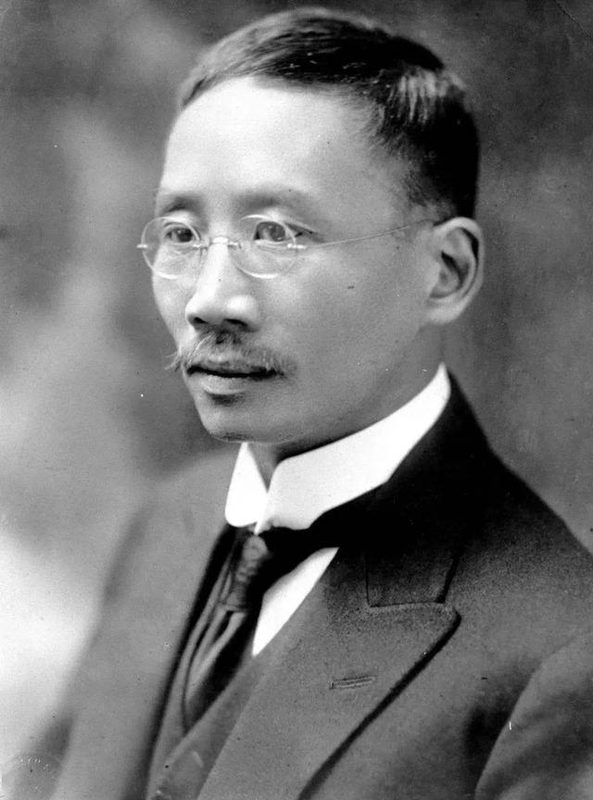
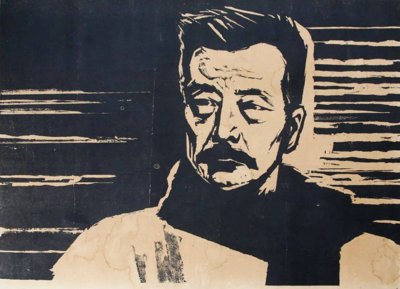
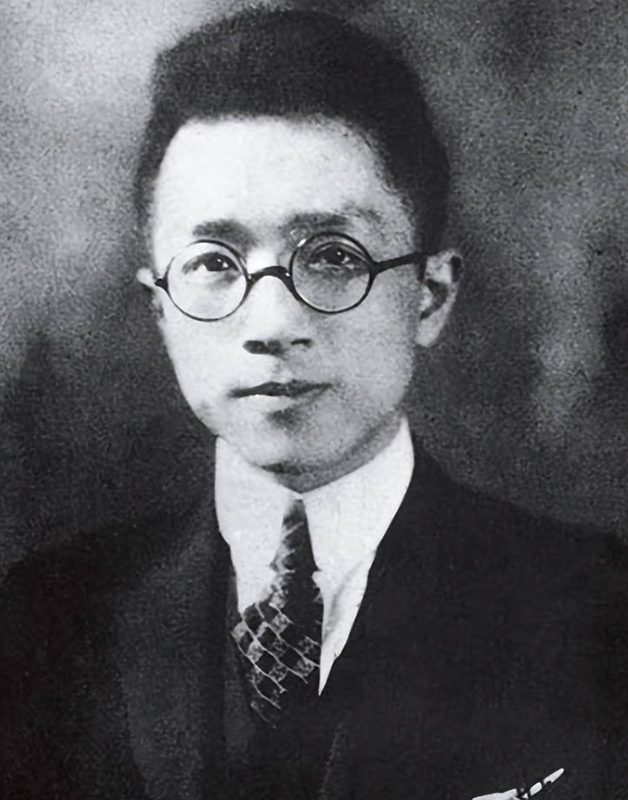
Cai Yuanpei (1868–1940), a native of Shaoxing, Zhejiang, was a late-Qing jinshi and Hanlin Academy compiler who later joined the revolution, helping found the Restoration Society and joining the Tongmenghui. After the Republic was founded he served as Minister of Education in the Nanjing Provisional Government, advocating “five kinds of education in parallel”: military citizen, utilitarian, civic moral, world-view and aesthetic education. In January 1917 he became president of Peking University. He worked to create an academic atmosphere of “freedom of thought and tolerance of all views” and recruited talent without regard to background: he hired a large group of scholars with new ideas, including Chen Duxiu, Li Dazhao, Hu Shi, Lu Xun and Qian Xuantong, while also keeping learned scholars of the old school such as Gu Hongming and Liu Shipei. He appointed Chen Duxiu Dean of Letters, and the New Youth editorial office moved to Beijing with him. Cai also reformed the school's administration, introducing “professors governing the university” and a university council; he replaced the year system with an elective-course system; and in 1920 the university began admitting women, the first coeducation in a Chinese public university. Peking University thus became the center of the New Culture Movement. In 1917 Hu Shi published “A Preliminary Discussion of Literary Reform” in New Youth, setting out “eight don'ts” and advocating vernacular in place of classical Chinese, and Chen Duxiu followed with “On Literary Revolution”, launching the literary revolution. After Lu Xun published the vernacular story “Diary of a Madman” in 1918, New Youth switched entirely to vernacular and vernacular literature rose quickly.
References
Text and images from Wikipedia are used under CC BY-SA and their respective licenses