QingAD 1644–1912
The Chengde Mountain Resort
Early Qing
The Qing built the Chengde Mountain Resort and the Eight Outer Temples, where emperors handled state affairs and received envoys and ethnic leaders, reflecting its policy of ethnic unity.
View on the timeline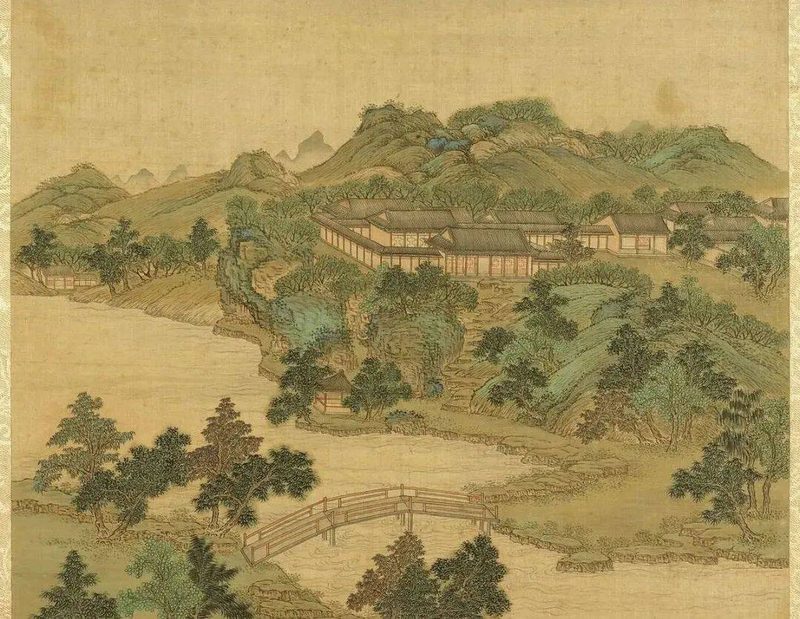
The Chengde Mountain Resort, in present-day Chengde, Hebei, also called the Rehe Travel Palace, was where Qing emperors spent the summer and handled state affairs. The Kangxi Emperor set up the Mulan hunting ground north of Chengde, where each autumn he led princes, ministers and Eight Banners troops to hunt and practice martial skills, called the "Mulan autumn hunt". In 1703 he ordered a travel palace built at Chengde; over the Kangxi, Yongzheng and Qianlong reigns, nearly ninety years, it was completed in 1792. The Resort covers about 5.64 million square meters and is the largest surviving classical imperial garden in China, divided into a palace area and a garden area with lakes, plains and mountains, recalling both the water towns of Jiangnan and the grasslands north of the Wall; Kangxi and Qianlong named "seventy-two scenes". Each year the Qing designated Mongol princes in turn to come to the Resort to accompany the emperor in hunting and martial exercises and gave them rewards; Uyghur, Tibetan and other minority leaders also often came to pay their respects. In 1771 the Qianlong Emperor received here Ubashi, leader of the Torghut Mongols who had returned from the Volga; in 1780 the Sixth Panchen Lama came to congratulate him on his birthday; and in 1793 he received the British Macartney mission here. To unite the Mongols, Tibetans and other minorities, the Qing built twelve grand temples outside the Resort, popularly the "Eight Outer Temples", blending Han, Tibetan and Mongol architectural styles; the Putuo Zongcheng Temple was modeled on the Potala Palace in Lhasa and the Temple of Sumeru Happiness and Longevity on Tashilhunpo Monastery in Shigatse. In 1994 the Resort and the surrounding temples were inscribed on the World Heritage List.
References
Text and images from Wikipedia are used under CC BY-SA and their respective licenses