YuanAD 1271–1368
Bureau of Buddhist and Tibetan Affairs Governs Tibet
Yuan Dynasty
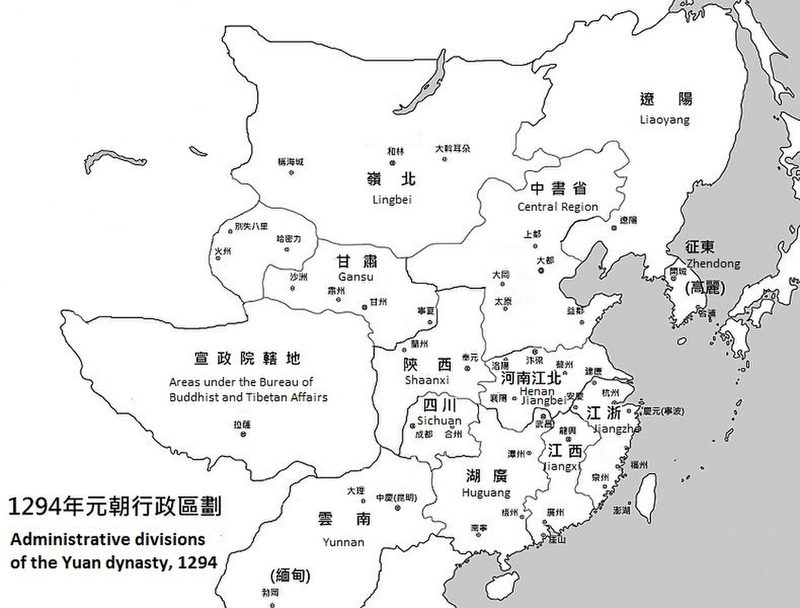
The Yuan set up the Bureau of Buddhist and Tibetan Affairs (first the Bureau of General Regulation) to oversee Buddhism and Tibet's affairs, bringing Tibet under central administration.
View on the timeline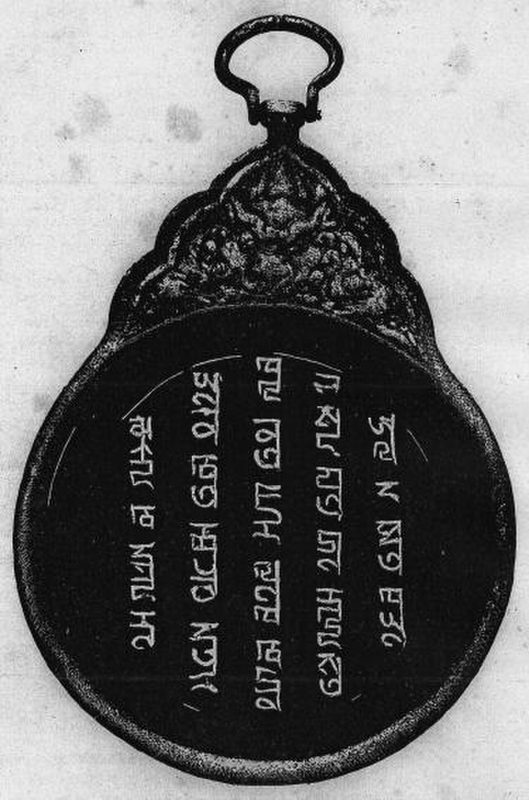
After the Liangzhou Meeting of 1247, Tibet submitted to the Mongols. After the Yuan was founded, it further strengthened its management of Tibet. In 1264 Kublai Khan set up the Bureau of General Regulation to oversee Buddhist affairs nationwide and the military and civil affairs of Tibet, with the State Preceptor Phagpa in charge; in 1288 it was renamed the Bureau of Buddhist and Tibetan Affairs, its officials recommended by the Imperial Preceptor and appointed by the emperor, drawing on both monks and laypeople. Phagpa, a nephew of Sakya Pandita, was named State Preceptor by Kublai and later raised to Imperial Preceptor; ordered to devise a script, he created the "Phagpa script" as the Yuan's national script. In Tibet the Yuan set up three pacification commissions with military command, including Uchang and Narisgulsun, under the direct control of the Bureau and responsible for local military and civil affairs. Below them were myriarchies and thousand-household offices, with local monastic and lay leaders appointed as officials and given seals. The central government also repeatedly registered households in Tibet, set up postal stations and a communication line from Dadu to Sakya, levied taxes, stationed troops and sent officials on inspection, exercising full and effective administration. From then on Tibet came formally under the administration of the Chinese central government, becoming an administrative region directly governed by the Yuan court.
References
Text and images from Wikipedia are used under CC BY-SA and their respective licenses