Northern SongAD 960–1127
The Compass Used in Navigation
Late Northern Song
Song made compasses with artificially magnetized needles, used in navigation by late Northern Song, giving reliable guidance on ocean voyages and later reaching Europe through the Arabs.
View on the timeline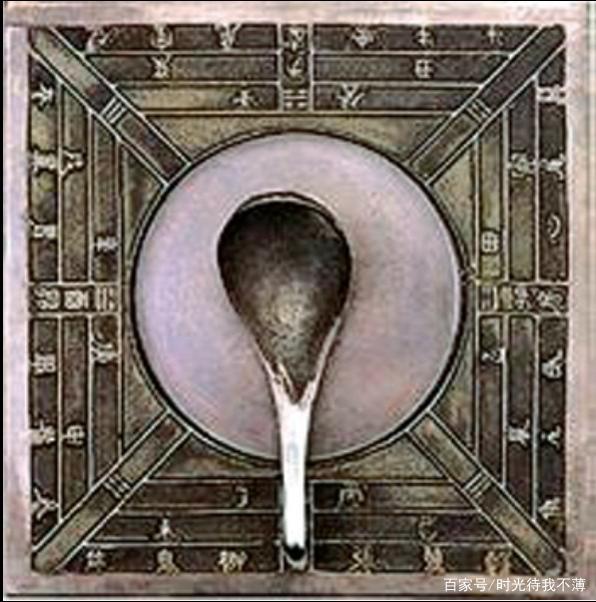
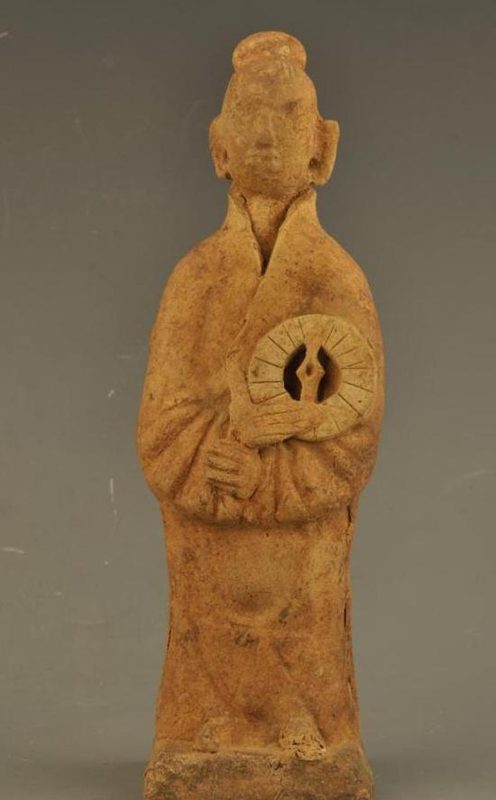
Ancient China recognized early that lodestone attracts iron and points south. In the Warring States people made a lodestone direction-finder, the “sinan”, shaped like a spoon and set on a square bronze plate marked with directions; the spoon turned on the smooth plate and when it stopped its handle pointed south. But natural lodestone is weakly magnetic and awkward to use. Song people invented artificial magnetization, rubbing steel needles with lodestone to make compass needles. In Dream Pool Essays Shen Kuo recorded four ways of mounting a compass needle: placing it on a fingernail, on the rim of a bowl, hanging it by silk thread, or threading it through a rush stem to float on water. Shen Kuo also noted that the needle “usually inclines slightly east, not due south”, pointing out magnetic declination. People later set the needle inside a disc marked with directions, making the compass. In late Northern Song the compass began to be used in navigation. Zhu Yu's Pingzhou Table Talk records that on Guangzhou sea-going ships “the pilots know the geography; at night they watch the stars, by day the sun, and in overcast weather the south-pointing needle”, the world's earliest record of the compass used for navigation. In Southern Song the compass came into general use at sea. It gave ocean voyages reliable direction, promoted the flourishing of overseas trade in Song and Yuan, and provided an important technical guarantee for Zheng He's voyages in the Ming. The compass later passed to Europe through the Arabs and was an important condition for European ocean voyages and the opening of new sea routes. It is one of the Four Great Inventions of ancient China.
References
Text and images from Wikipedia are used under CC BY-SA and their respective licenses