Northern SongAD 960–1127
Song Porcelain and Jingdezhen
From the Jingde era of Northern Song
Song was a brilliant age for porcelain, with the five famous kilns, Ru, Guan, Ge, Jun and Ding, known worldwide. Jingdezhen, which rose in the Jingde era, later became the “Porcelain Capital”.
View on the timeline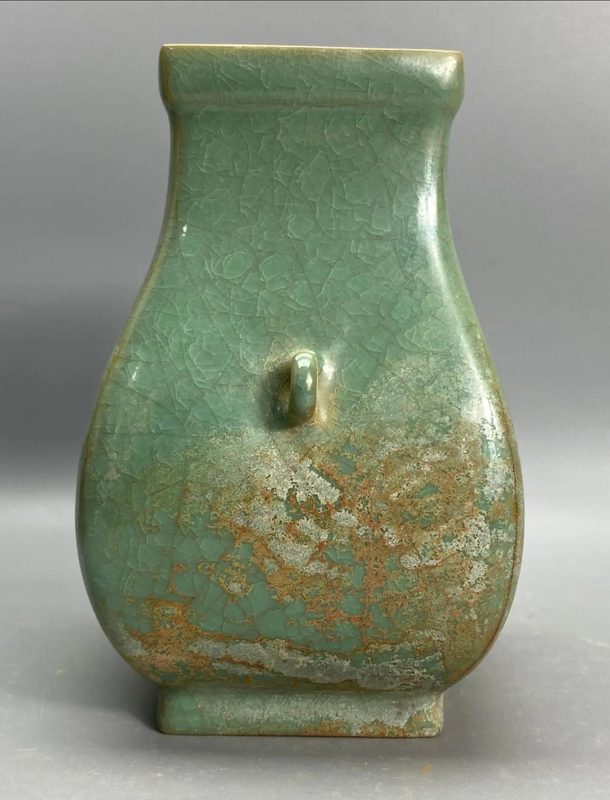
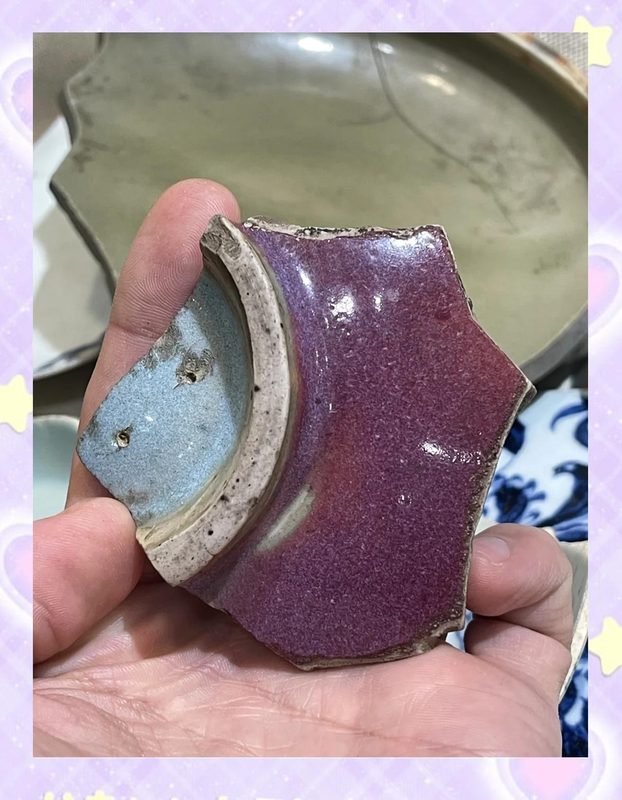
The Song was a brilliant era in the history of Chinese porcelain: techniques reached a high level, kilns spread across the country, and wares were varied and distinctive. Later generations call Song's most famous kilns the “five famous kilns”: Ru, Guan, Ge, Jun and Ding. Ru ware, made for the court, is celadon with a sky-blue glaze; Ge ware has a glaze covered in natural crackles called “crackle”; Jun ware, from present-day Yuzhou, Henan, is famed for its transmutation glazes, with endlessly varied colors, said to be “one color into the kiln, ten thousand colors out”; Ding ware, from present-day Quyang, Hebei, is known for white porcelain. Longquan kilns in Zhejiang were famous for celadon. Jingdezhen in Jiangxi, originally Changnan Town, had a long history of porcelain, and in the Jingde era of Northern Song (1004–1007) the court ordered it to make porcelain for the palace, marked on the base “made in the Jingde era”, so the town was renamed Jingdezhen. Its qingbai (bluish-white, or “shadow-blue”) porcelain was fine in body and jade-like in color. Jiang Qi's Record of Ceramics in the Southern Song was China's first monograph on ceramics, and records over three hundred kilns at Jingdezhen then, whose wares were “pure white and flawless” and known everywhere as “Rao jade”. In the Southern Song the Jiangnan region became China's center of porcelain making. In the Yuan, Jingdezhen produced blue-and-white and underglaze red, and in the Ming and Qing it grew into the national center of porcelain, called the “Porcelain Capital”. Song porcelain was exported in large quantities by the maritime Silk Road to Southeast Asia, South Asia, West Asia and East Africa. The English word “china” also means porcelain.
References
Text and images from Wikipedia are used under CC BY-SA and their respective licenses