Spring and Autumn770–476 BC
Laozi and Daoism
Late Spring and Autumn
Laozi of the late Spring and Autumn period founded Daoism, holding that all things follow nature and opposites turn into each other, urged “governing by non-action,” and wrote the Tao Te Ching.
View on the timeline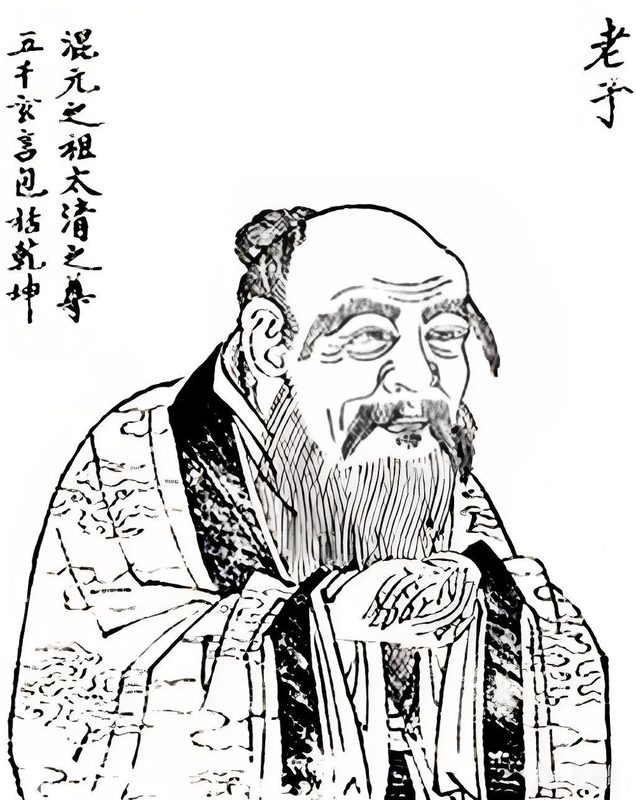
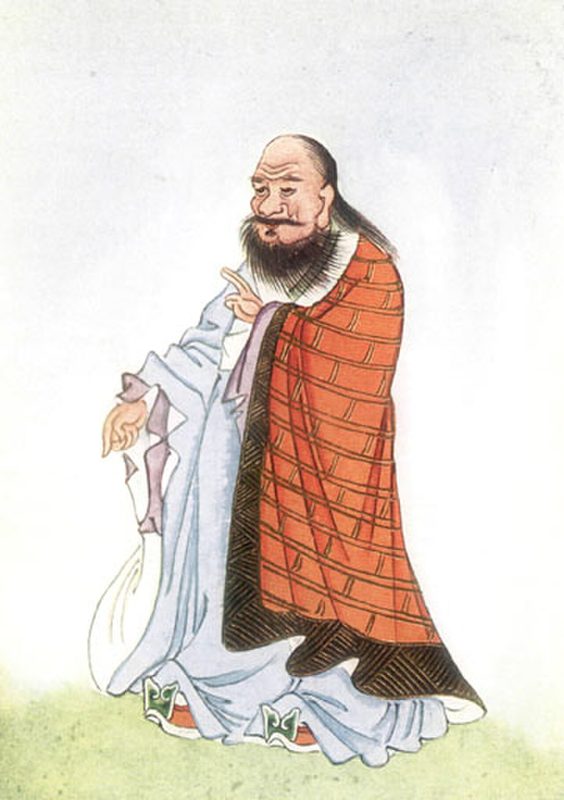
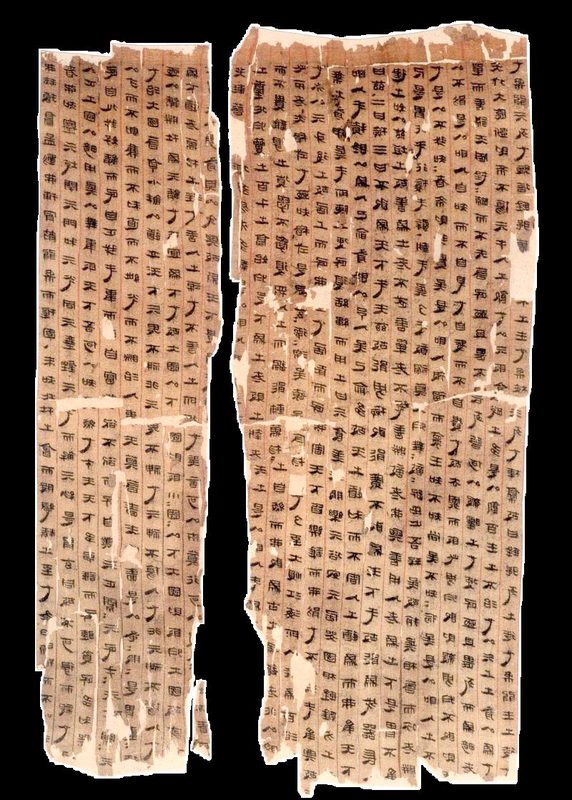
Laozi, surname Li, personal name Er, courtesy name Dan, was from Ku County in Chu (around Luyi, Henan) in the late Spring and Autumn period and founded Daoism. He served as keeper of the archives of the Zhou royal house, managing its records, and was learned; tradition says Confucius once made a special journey to ask him about ritual. When the Zhou declined, Laozi resigned and went west; it is said that at the Hangu Pass, at the request of the gatekeeper Yin Xi, he wrote a work of five thousand characters, the Laozi, also called the Tao Te Ching, which became the Daoist classic. Laozi held that the “Dao” is the source of all things, that all things run by natural laws, and that people should follow nature: “Man follows Earth, Earth follows Heaven, Heaven follows the Dao, and the Dao follows what is natural.” He saw that everything has its opposite, such as difficult and easy, long and short, high and low, front and back, misfortune and fortune, and that opposites can turn into each other; “Misfortune is what fortune rests on; fortune is where misfortune hides,” reflecting plain dialectics. Politically he advocated “governing by non-action,” opposed rulers' excessive interference in the people's lives, held that “governing a large state is like cooking a small fish,” and imagined an ideal of “small states with few people,” in which people kept out of quarrels and the world would be at peace. In the Warring States the representative Daoist was Zhuangzi, who developed Laozi's thought, stressing following nature, seeking absolute spiritual freedom and keeping an independent personality, and wrote the Zhuangzi.
References
Text and images from Wikipedia are used under CC BY-SA and their respective licenses