JinAD 266–420
Western Jin Founded; Wu Conquered
AD 266–280 · Three Kingdoms → Jin
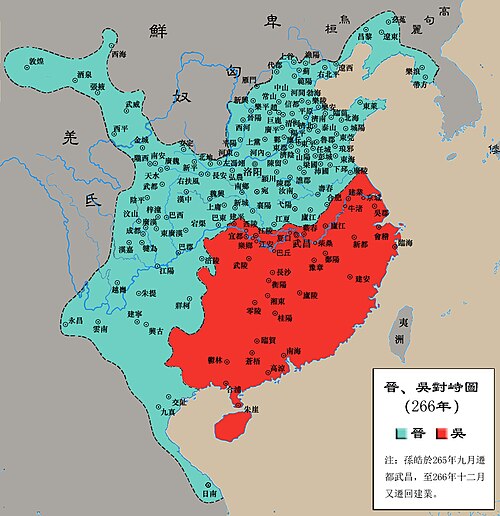
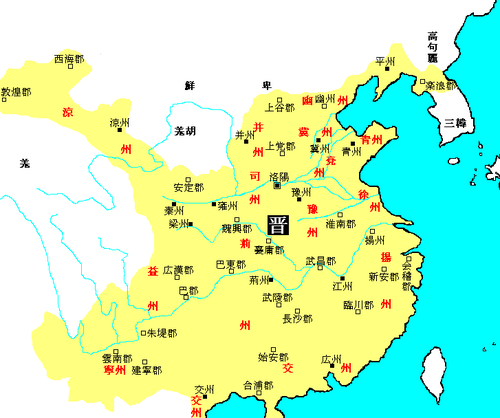
Sima Yan replaced Wei in AD 266, founding the Western Jin with its capital at Luoyang; the Jin destroyed Wu in 280, ending the near-century of division since the late Eastern Han.
View on the timeline
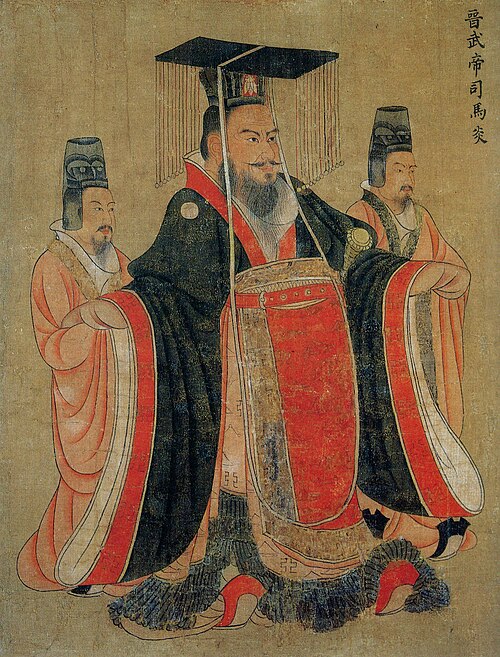
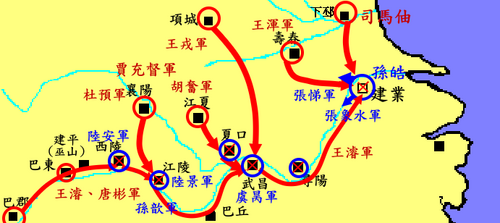
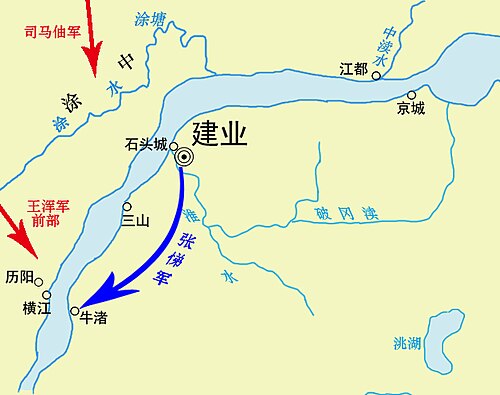
In the late Three Kingdoms, Wei grew steadily stronger while Wu and Shu declined. Within Wei, the minister Sima Yi repeatedly led armies against Zhuge Liang's northern expeditions for Shu Han, and his power rose. In AD 249, while Emperor Cao Fang and General-in-Chief Cao Shuang were away at a tomb visit, Sima Yi staged the Gaopingling Incident, killing Cao Shuang and taking control of Wei's military and government. After his death his sons Sima Shi and Sima Zhao held power in turn, and Wei's emperors were puppets. In 263 Sima Zhao sent Zhong Hui, Deng Ai and others against Shu; Deng Ai crossed by the Yinping mountain path to Chengdu, the last Shu emperor Liu Shan surrendered, and Shu Han fell. In 266 Sima Zhao's son Sima Yan forced Emperor Yuan of Wei, Cao Huan, to abdicate and took the throne, renaming the state Jin and keeping Luoyang as capital, called the Western Jin; Sima Yan was Emperor Wu of Jin. The last Wu emperor, Sun Hao, ruled cruelly and corruptly. In 279 Emperor Wu sent Du Yu, Wang Jun and others in six columns against Wu; Wang Jun's tower ships, built in Yizhou, sailed down the Yangtze, broke the iron chains Wu had laid, and advanced on Jianye. In 280 Sun Hao surrendered and Wu fell; the Western Jin reunified the country, ending the near-century of division since the late Eastern Han. Early on, land-occupation and household-tax systems brought the “Taikang Era Prosperity.” But the Jin house and many ministers came from great aristocratic and landlord families, the court gave generous privileges to the gentry clans, and the ruling class lived in corrupt luxury. Emperor Wu also enfeoffed many imperial kin as kings and let them command troops, sowing the seeds of civil strife, and the Western Jin's unity lasted only a few decades.
References
Text and images from Wikipedia are used under CC BY-SA and their respective licenses