Republic of ChinaAD 1912–1949
May Fourth Movement
4 May 1919
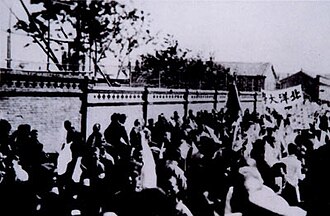
In 1919 the Paris Peace Conference rejected China's just demands; on 4 May Beijing students marched shouting “Secure sovereignty abroad, punish traitors at home”, and China refused to sign.
View on the timeline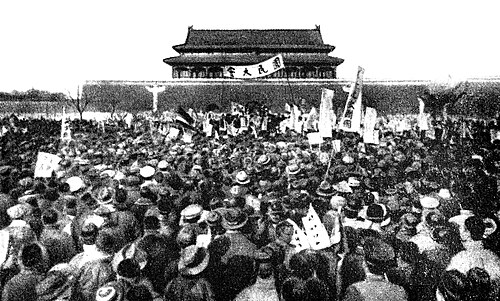
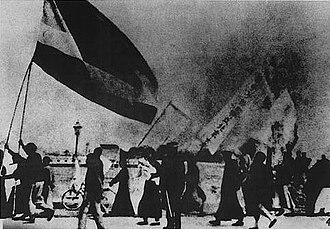
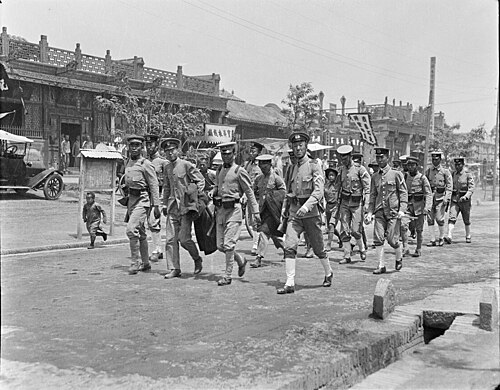
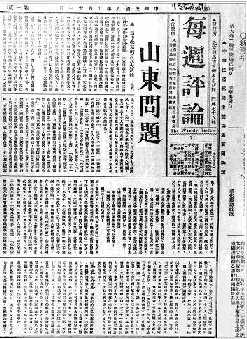
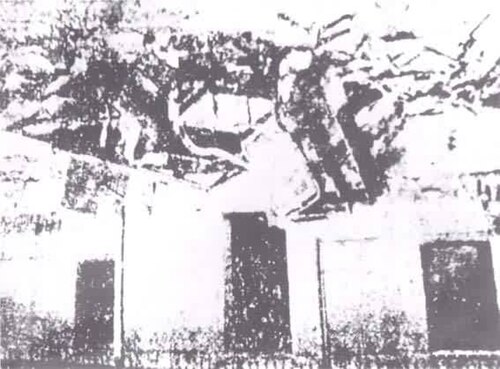
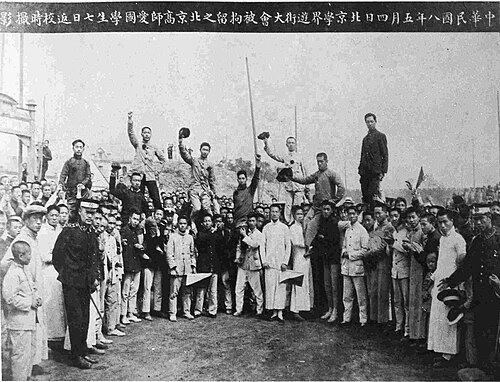
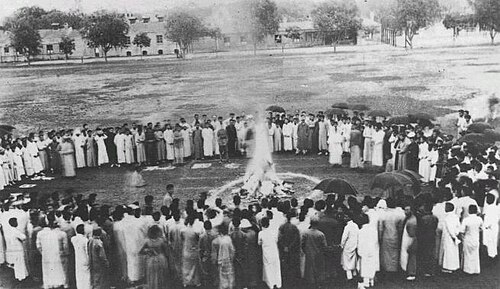
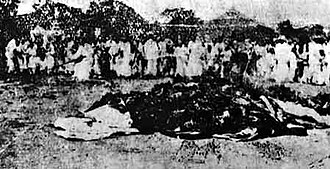
After World War I the victorious powers, including Britain, the United States, France and Japan, held a “peace conference” in Paris from January to June 1919. China, as one of the victors, sent delegates, who put forward just demands: abolition of the powers' privileges in China, cancellation of the “Twenty-One Demands”, and the return of Germany's rights in Shandong that Japan had seized during the war. They were refused, and the conference decided to transfer Germany's rights in Shandong to Japan. On 4 May 1919, more than three thousand students from over a dozen Beijing schools gathered before Tiananmen, shouting slogans such as “Secure sovereignty abroad, punish traitors at home” and marching in demonstration, demanding punishment of the pro-Japanese officials Cao Rulin, Zhang Zongxiang and Lu Zongyu. Angry students burned Cao Rulin's residence, Zhao Jialou, and beat Zhang Zongxiang. From 5 June, Shanghai workers staged large-scale strikes in support, the movement's center shifted from Beijing to Shanghai, and the working class stepped onto the political stage. The “three strikes” (of students, merchants and workers) then spread to more than twenty provinces and over a hundred cities. Under pressure from the people, the Beiyang government was forced to release arrested students and dismiss the three pro-Japanese officials. On 28 June the Chinese delegates refused to sign the treaty, a first victory for the movement. The May Fourth Movement was a thoroughgoing anti-imperialist and anti-feudal patriotic movement and the beginning of China's new-democratic revolution. The May Fourth spirit that took shape in it, of “patriotism, progress, democracy and science”, has had lasting influence, and 4 May was later designated Chinese Youth Day.
References
Text and images from Wikipedia are used under CC BY-SA and their respective licenses