Five Dynasties and Ten KingdomsAD 907–979
Fall of Tang; Five Dynasties and Ten Kingdoms
907–960 · Tang → Five Dynasties and Ten Kingdoms
In 907 Zhu Wen founded the Later Liang and Tang fell. Five successive dynasties then ruled the north and ten separate regimes arose in the south, the “Five Dynasties and Ten Kingdoms”.
View on the timeline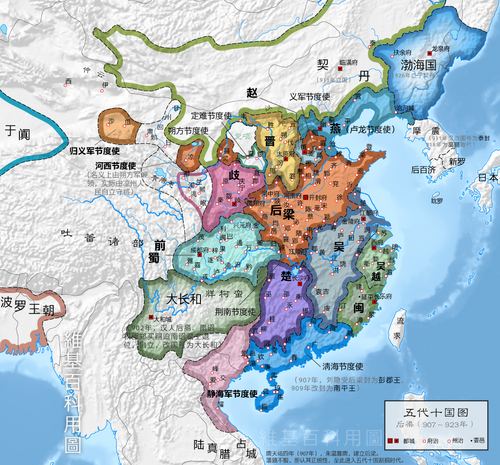
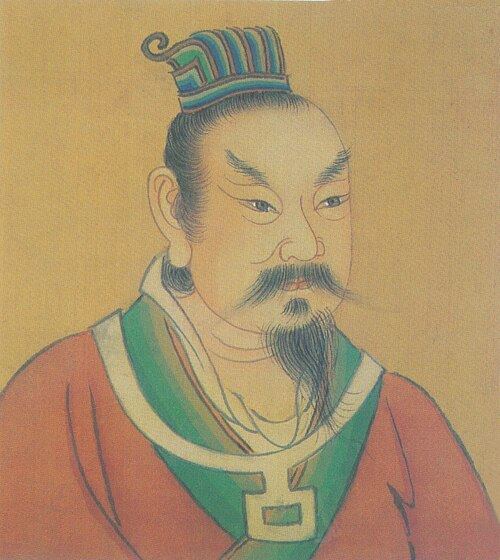
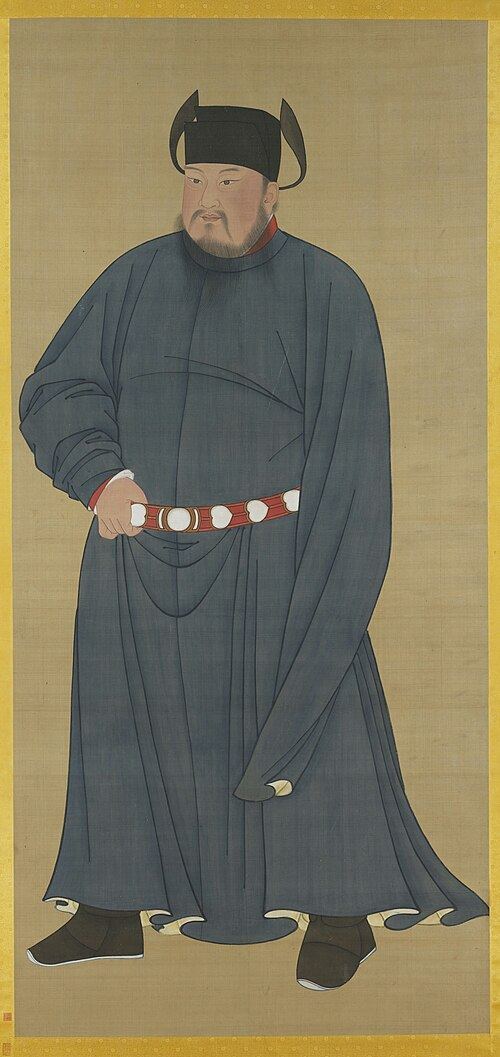
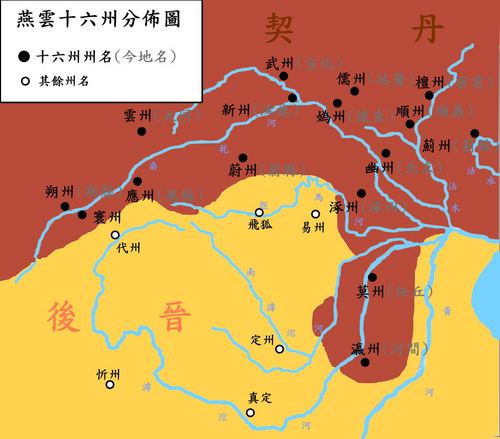
After the Huang Chao uprising failed, Tang existed in name only and military governors everywhere annexed one another. Zhu Wen, formerly a Huang Chao general, surrendered to Tang and became military governor of Xuanwu, based at Bianzhou (present-day Kaifeng, Henan); he gradually absorbed northern warlords large and small and took control of the Tang court. In 904 he forced Emperor Zhaozong to move the capital to Luoyang and soon had him killed. In 907 Zhu Wen deposed Emperor Ai of Tang and made himself emperor under the dynastic name Liang, known as the Later Liang, with its capital at Kaifeng, and Tang fell. From 907 to 960, five dynasties arose in turn in the Yellow River basin in the north, the Later Liang, Later Tang, Later Jin, Later Han and Later Zhou, called the “Five Dynasties”, mostly centered around Kaifeng and Luoyang, and they changed frequently. Meanwhile ten regimes appeared in the south and in Shanxi: Wu, Southern Tang, Wuyue, Min, Chu, Southern Han, Former Shu, Later Shu, Nanping (Jingnan) and the Northern Han, which held Taiyuan in the north; these are the “Ten Kingdoms”. The period continued the late-Tang warlord situation: founding rulers were mostly generals holding military power, regimes changed often, mutinies were common, the north was especially wracked by war, and the economy suffered greatly. By comparison the southern states saw less war and more stability, the Jiangnan economy kept growing, and the south gradually outstripped the north. In this period the Khitan in the north grew stronger, and Shi Jingtang of the Later Jin ceded the Sixteen Prefectures of Yan and Yun to them, leaving a lasting danger for later Central Plains dynasties.
References
Text and images from Wikipedia are used under CC BY-SA and their respective licenses