TangAD 618–907
Rule of Zhenguan
627–649
Emperor Taizong of Tang learned from the fall of the Sui, took advice, chose able officials, lightened burdens and perfected institutions. His reign brought clean government and recovery.
View on the timeline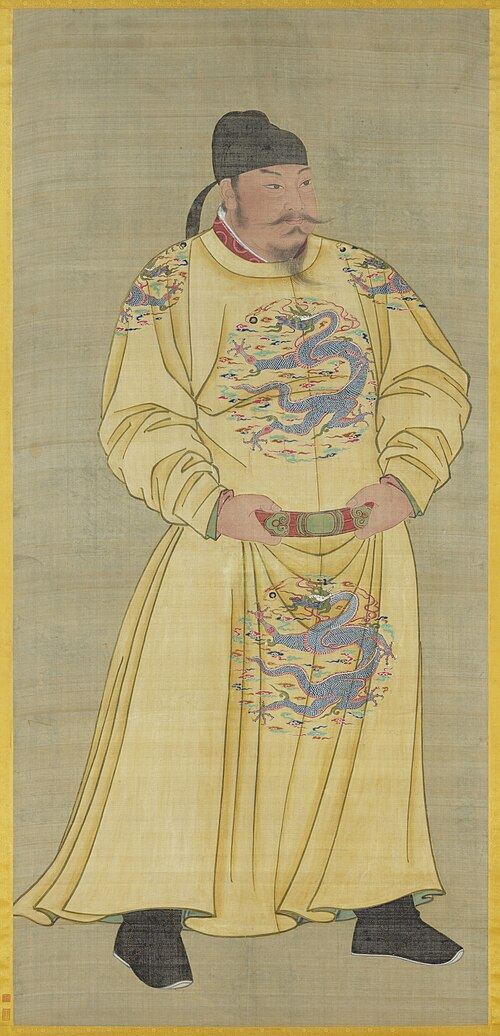
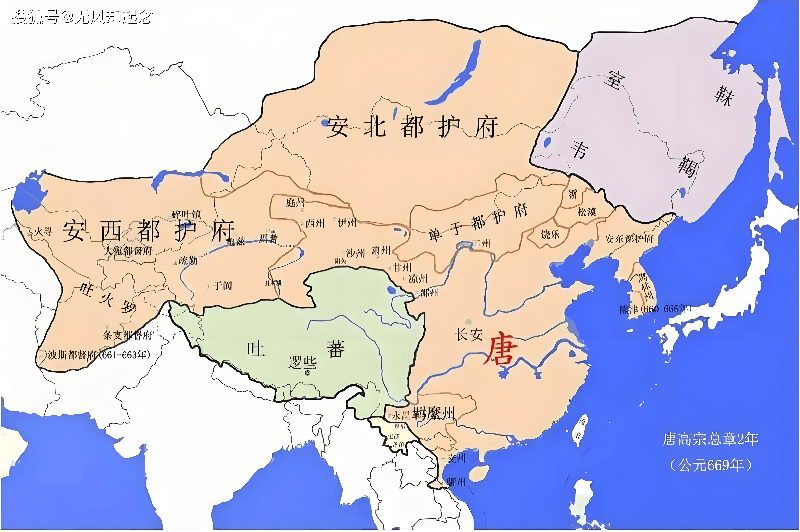
In 626 Li Shimin, Prince of Qin, took the throne after the Xuanwu Gate Incident, and the next year adopted the era name “Zhenguan”. He is Emperor Taizong of Tang. During his twenty-three-year reign he created an age of good government. Having lived through the collapse of the Sui, he took its fall as a warning, recognized that “water can carry a boat, and water can overturn it”, and valued the support of the people. He was diligent and readily accepted criticism. The minister Wei Zheng spoke frankly, remonstrating more than two hundred times; he put forward the maxim “listen to both sides and you will be enlightened; heed only one side and you will be misled”, urging the emperor to guard against danger in times of peace and to be thrifty. After Wei Zheng died, Taizong said mournfully: “With bronze as a mirror, one can straighten one’s dress and cap; with history as a mirror, one can understand rise and fall; with people as a mirror, one can see one’s gains and losses.” He lamented that he had lost one of his mirrors. Taizong welcomed talent regardless of origin or ethnicity: Fang Xuanling was skilled at planning and Du Ruhui at decision-making, a pair known as “Fang plans, Du decides”. He perfected the system of Three Departments and Six Ministries: the Secretariat drafted edicts, the Chancellery reviewed them and the Department of State Affairs carried them out, each checking the others. He trimmed the bureaucracy and paid attention to selecting local officials. In the economy he applied the equal-field system and the grain, labor and cloth tax system, lightened taxes and corvée, and encouraged agriculture. Abroad, Tang defeated the Eastern Turks and strengthened its rule over the northwest, and neighboring peoples’ leaders honored Taizong as “Heavenly Khan”.
References
Text and images from Wikipedia are used under CC BY-SA and their respective licenses