Spring and Autumn770–476 BC
Sun Wu and The Art of War
Late Spring and Autumn
Sun Wu of the late Spring and Autumn period wrote The Art of War in thirteen chapters, with ideas such as “know the enemy and know yourself,” founding ancient Chinese military theory.
View on the timeline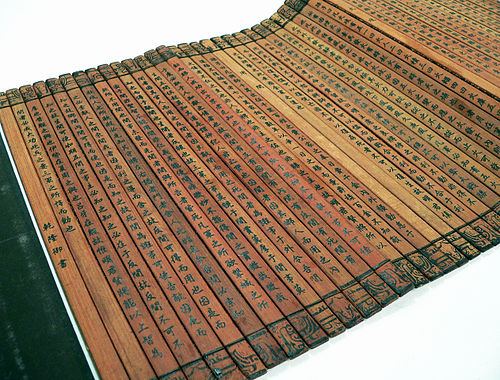
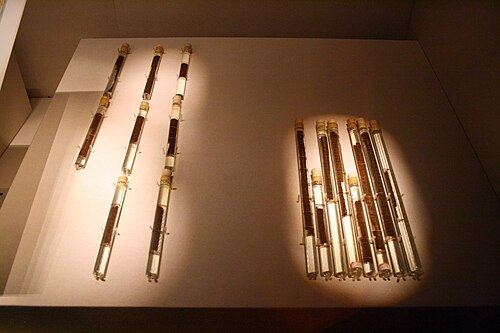
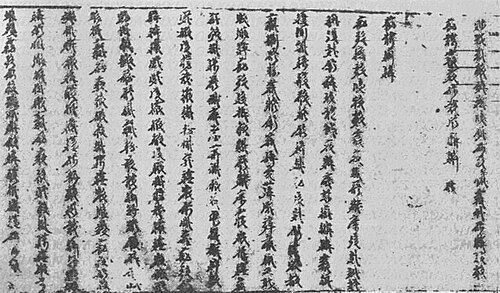
Sun Wu, courtesy name Changqing, was a native of Qi in the late Spring and Autumn period who later went to Wu; later generations honor him as “Master Sun” and the “Sage of War.” According to the Records of the Grand Historian, Sun Wu presented his thirteen chapters on warfare to King Helu of Wu, who had him drill the palace women; Sun Wu beheaded the two squad leaders (the king's favorite concubines) who disobeyed orders, thereby enforcing discipline, and Helu, seeing his ability, made him a general. With Wu Zixu he assisted the king, and in 506 BC, at the Battle of Boju, 30,000 Wu troops defeated the Chu army, winning five battles in five and entering the Chu capital Ying, making Wu feared in the Central Plains. The Art of War has thirteen chapters of about 6,000 characters, including “Laying Plans,” “Waging War,” “Attack by Stratagem,” “Disposition,” “Energy,” “Weak Points and Strong,” “The Nine Situations” and “The Use of Spies.” It contains famous sayings such as “know the enemy and know yourself, and you need not fear a hundred battles,” “to subdue the enemy without fighting is the acme of skill,” “attack where he is unprepared, appear where you are not expected” and “war is the way of deception,” stressing a full analysis of politics, weather, terrain, commanders and law before war, revealing some universal laws of war and containing plain materialism and dialectics. It is the oldest and most complete surviving Chinese military text, hailed as the “holy book of military science,” laid the foundation of ancient Chinese military theory, and in the Song was placed first among the Seven Military Classics. In the Warring States Sun Wu's descendant Sun Bin carried on and developed his thought and wrote The Art of War of Sun Bin.
References
Text and images from Wikipedia are used under CC BY-SA and their respective licenses